It was 7:30 PM on a Tuesday, the kind of Tuesday that feels like it’s been going on for three weeks straight. I was standing in my kitchen, staring into the fridge, feeling that familiar mix of hunger and exhaustion. The fridge contained half a bag of spinach, some sad-looking carrots, and a jar of peanut butter that had separated into two distinct layers: peanut butter on top, peanut oil on the bottom. I didn’t want to cook. I definitely didn’t want to order takeout. I just wanted something warm, flavorful, and fast.
So I did what I always do when I’m too tired to think: I threw everything I had into a skillet. I tossed in some sliced bell peppers, a handful of edamame, and a big bunch of baby bok choy I’d been meaning to use for days. Then came the sauce—peanut butter, soy sauce, a splash of sesame oil, and a generous spoonful of chili crisp I’d been hoarding for months. I boiled some ramen noodles (because let’s be honest, ramen noodles are the ultimate lazy dinner hack) and tossed them all together.
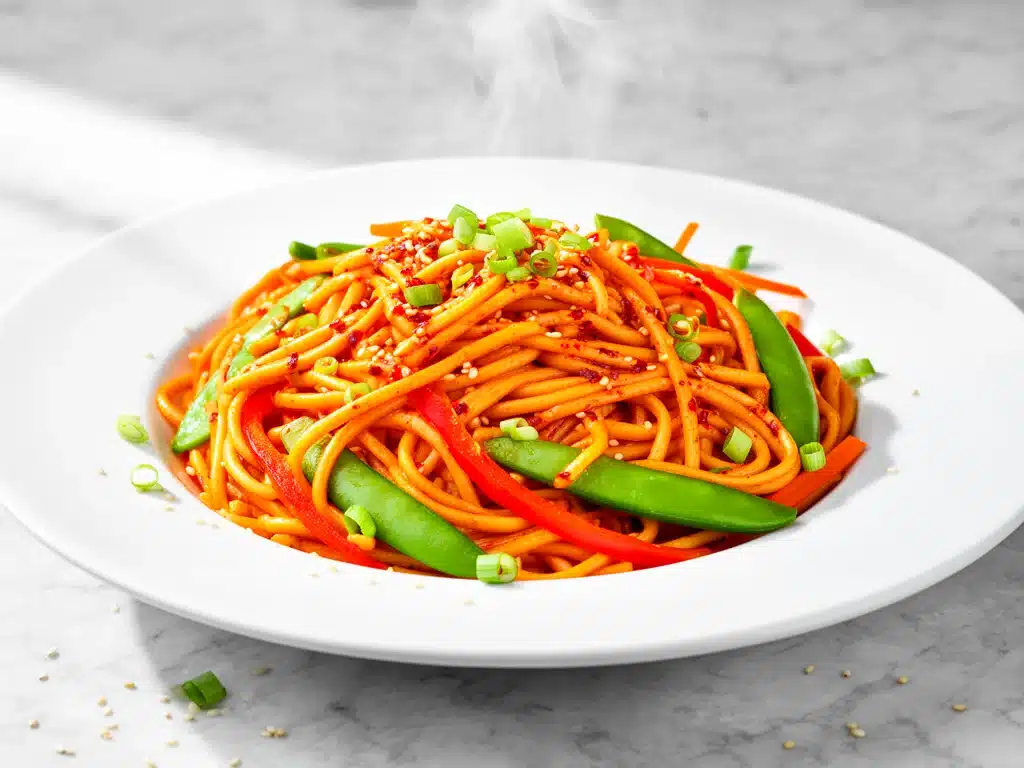
The smell that filled the kitchen was incredible. Salty, nutty, spicy, and savory all at once. I took one bite and immediately forgot about my tiredness. It was comfort food, but lighter. It was exciting, but simple. It was the kind of meal that makes you close your eyes and just enjoy it.
That accidental dinner became the start of something big. Since then, I’ve made this **spicy peanut sesame noodles with vegetables** recipe at least fifteen times. Some weeks it’s twice a week. It’s become my go-to answer for “what’s for dinner?” when I have no energy but still want to eat something that tastes like I tried. And the best part? It’s incredibly flexible. You can use any noodles, any veggies, and any heat level you prefer. It’s a blank canvas for whatever is in your fridge, and it always turns out delicious.
Why You’ll Love This Recipe
There are about ten reasons I keep coming back to this dish, but let’s be real—you probably just want to know if it’s worth the effort. Here’s the thing: it’s absolutely worth it. This recipe has completely changed my weeknight dinner routine in the best way possible.
- Stupid Simple — Seriously, if you can boil water and mix a sauce, you can make this. I’ve walked my teenage son through it over FaceTime while I was at work. He nailed it the first time.
- Lightning Fast — From start to finish, it’s 30 minutes. But only 10 of those minutes are active cooking. The rest is just boiling noodles and chopping veggies. I make this on nights when I get home late and just want to eat.
- Pantry-Friendly — You probably have 80% of these ingredients already. Peanut butter? Check. Soy sauce? Check. Noodles? Check. I keep the key items stocked just so I can make this on a whim when life gets chaotic.
- Crowd-Pleaser — I’ve served this to my picky eater nephew, my foodie friend, and my husband who usually only wants meat and potatoes. Everyone asked for seconds. The nutty, spicy flavor is universally liked.
- Makes Amazing Leftovers — Actually tastes better the next day. The noodles soak up the sauce and get even more flavorful. I deliberately make extra for lunch throughout the week because it’s the best cold or room-temp lunch I’ve ever had.
- Budget-Smart — Feeds 4 people for under $15. That’s less than one meal at a fast-food place, and it’s way healthier. Plus, you’re using up those veggies that were about to go bad in the crisper drawer.
This is my go-to when I need dinner to just work. No complicated techniques, no weird ingredients you have to hunt for, just reliable, delicious food that makes everyone happy. It’s the kind of recipe that reminds you why you like cooking, even on the hard days.
Ingredients You’ll Need
Here’s the best part: you probably have most of this already. This isn’t a recipe that requires a trip to three different specialty stores. It’s built on staples that most kitchens already have. I’m particular about a few things here, and I’ll tell you exactly why.
For the Noodles
Yellow egg noodles (1 pound / 450g) — I use dried egg noodles because they have a great chew and hold up well to the sauce. Ramen noodles (the kind from the block, not the flavored packets) work too and cook even faster. Rice noodles are a good gluten-free option, but they get mushy if you’re not careful. I’ve tried udon too, but they’re a bit heavy for this specific sauce balance.
Cooking oil (1 tablespoon) — I use neutral oil like canola or vegetable oil to cook the veggies. You can use sesame oil here too if you want more flavor, but it has a lower smoke point.
For the Sauce
Creamy peanut butter (½ cup / 120g) — This is the star. Do not use natural peanut butter where the oil has separated unless you mix it thoroughly first. I like Jif or Skippy because they have that consistent texture. If you use natural peanut butter, you might need a little extra liquid. Smooth peanut butter is key here; chunky will make the sauce grainy.
Smooth sesame paste (2 tablespoons / 30g) — This is different from tahini. Sesame paste is made from toasted sesame seeds and has a stronger, nuttier flavor. It’s what gives this dish its authentic Asian noodle flavor. If you can’t find it, you can substitute with tahini, but the flavor will be slightly different. I buy mine in a jar at the Asian grocery store.
Soy sauce (¼ cup / 60ml) — I use low-sodium soy sauce so I can control the saltiness. Regular soy sauce works fine too, just taste before adding extra salt. Tamari is a good gluten-free substitute.
Rice vinegar (2 tablespoons / 30ml) — This adds the necessary acidity to cut through the richness of the peanut butter. White wine vinegar works in a pinch, but rice vinegar is milder and sweeter, which is better here.
Sriracha or chili garlic sauce (2 tablespoons / 30g) — This is where you add the heat. Sriracha is my go-to for a balanced spicy-sweet kick. If you like it hotter, use more. If you’re sensitive to spice, start with 1 tablespoon. Chili crisp is also amazing here if you want that crunchy texture.
Maple syrup or honey (1 tablespoon / 15ml) — Just a little bit to balance the salt and heat. Maple syrup gives a deeper flavor, while honey is lighter. I use maple syrup because I’m already out of honey.
Sesame oil (1 teaspoon) — Toasted sesame oil. Don’t skip this. It adds that signature nutty aroma. Just a little goes a long way.
Garlic (3 cloves, minced / about 1 tablespoon) — Fresh garlic only. No jarred stuff here. It needs to be fragrant and sharp.
Ginger (1 teaspoon, grated / fresh) — Fresh ginger is best. If you don’t have it, ½ teaspoon of ground ginger works, but fresh is much better. I grate it on a microplane for easy mixing.
For the Vegetables
Red bell pepper (1 medium, thinly sliced) — Adds sweetness and color. I love the crunch it provides.
Carrots (2 medium, julienned or shredded) — Essential for texture. I use a peeler to make ribbon strips, which cook faster and look pretty.
Bok choy (2 heads, chopped) — Or use baby spinach if you prefer. Bok choy adds a nice slight bitterness that balances the sauce. I chop the white stems and greens separately since they cook at different rates.
Edamame (1 cup, shelled / frozen is fine) — Adds protein and a fun pop of green. Frozen works perfectly; just thaw them slightly before adding.
Green onions (3-4 stalks, sliced) — For garnish and a fresh oniony bite. I save the white parts for cooking and the green parts for topping.
Equipment Needed
You don’t need fancy equipment for this. Here’s what I actually use.
Large pot — I use a 6-quart pot for boiling the noodles. It needs to be big enough to let the noodles move around. My ancient pot from college still works fine.
Large skillet or wok — 12-inch works best for tossing the veggies and noodles together. I prefer stainless steel or carbon steel, but a large non-stick skillet works too. A wok is ideal for that high-heat toss, but a skillet is easier to clean.
Small mixing bowl — For whisking the sauce. Any small bowl will do.
Whisk — To blend the peanut butter and liquids smoothly. A fork works in a pinch, but a whisk is faster.
Sharp knife — For chopping veggies. Dull knives make you cry more—learned this the hard way with onions.
Peeler — For making carrot ribbons. It’s faster than julienning and looks great.
Colander — For draining the noodles. Or just use the lid to drain if you’re feeling lazy.
Measuring cups and spoons — Pretty standard stuff. Dollar store versions work fine.
How to Make It: Step-by-Step
Alright, let’s make this! I’m walking you through exactly how I do it, including the little tricks I’ve picked up over time.
Step 1: Prep Your Ingredients (5-8 minutes)
Before you start cooking, chop your veggies, mince your garlic, and grate your ginger. I know it seems fussy, but it makes the actual cooking way less stressful. Once you start cooking, things move fast. Slice the bell pepper, shred the carrots, chop the bok choy, and slice the green onions. Set them all in small bowls or piles on your cutting board.
Step 2: Make the Sauce (2 minutes)
In a small bowl, whisk together the peanut butter, sesame paste, soy sauce, rice vinegar, sriracha, maple syrup, sesame oil, minced garlic, and grated ginger. Whisk until smooth. If it’s too thick to whisk, add 1-2 tablespoons of warm water. The sauce should be pourable but still creamy. Taste it now! If you want more heat, add more sriracha. If it’s too salty, add a splash more vinegar or syrup. Adjust to your liking.
Step 3: Cook the Noodles (8-10 minutes)
Bring a large pot of salted water to a boil—it should taste like the ocean. Add the noodles and cook according to package directions until al dente (usually 8-10 minutes for egg noodles, less for ramen). IMPORTANT: Before draining, scoop out ½ cup of noodle water and set it aside. This starchy water is magic for loosening the sauce later. Drain the noodles and rinse them briefly with cold water to stop the cooking. This prevents them from getting mushy while you cook the veggies.
Step 4: Sauté the Vegetables (5-7 minutes)
While the noodles cook, heat oil in a large skillet over medium-high heat. Add the carrots and bell pepper first, as they take longer to cook. Stir-fry for 2-3 minutes until they start to soften but still have a crunch. Add the bok choy stems (or harder greens) and cook for another minute. Then add the bok choy greens and edamame. Cook for 1-2 more minutes until the greens are wilted. You want the veggies to be tender-crisp, not mushy.
Step 5: Combine Everything (3 minutes)
Add the drained noodles to the skillet with the vegetables. Pour the sauce over everything. Toss gently but thoroughly, using tongs or two large spoons, to coat every noodle. If the sauce seems too thick or sticky, add a splash of the reserved noodle water. A little at a time until it’s creamy and coats the noodles nicely. The sauce should cling to the noodles, not pool at the bottom.
Step 6: Finish and Serve
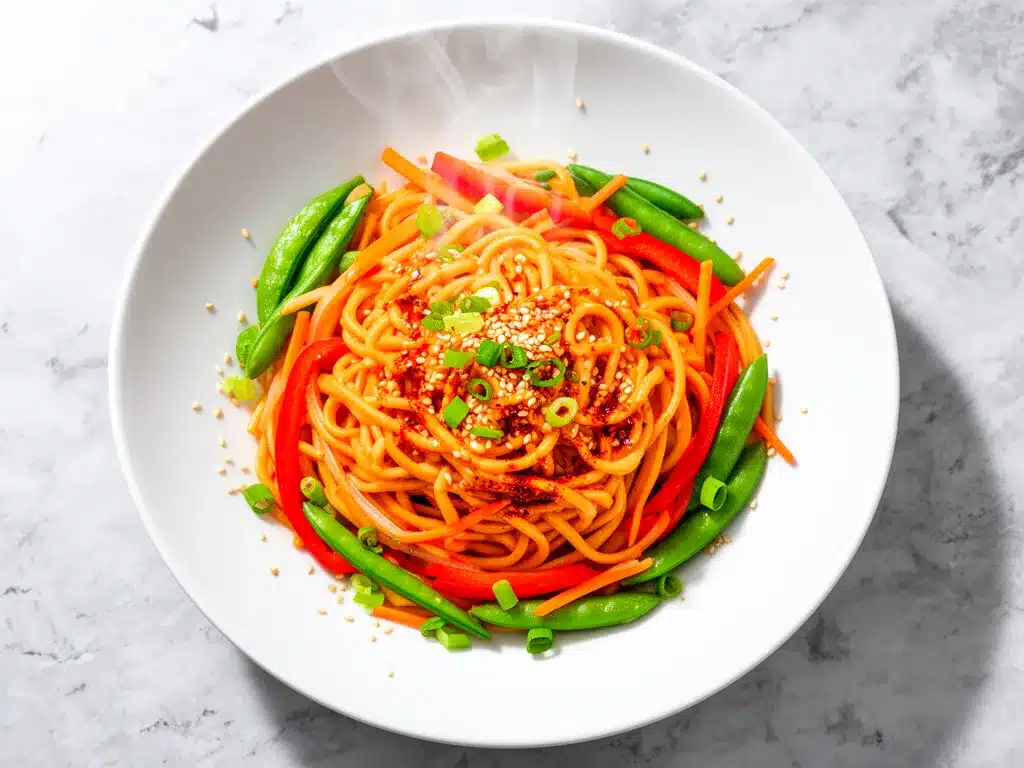
Remove from heat. Taste and adjust seasoning if needed. Add a pinch of salt or a dash more vinegar if it needs brightening. Transfer to bowls and top with sliced green onions, sesame seeds, and maybe some crushed peanuts or chili crisp if you want extra texture and heat.
Total Time: About 30 minutes (10 minutes active, 20 minutes mostly hands-off)
Expert Tips & Tricks
Here’s everything I’ve learned from making this dozens of times. These tips will save you from my mistakes.
Don’t Overcook the Noodles
This is the #1 mistake people make. Noodles continue to cook even after you drain them. If you cook them until they’re perfectly soft in the pot, they’ll be mushy by the time you toss them with the sauce. Undercook them by 1-2 minutes. They should be slightly firm (al dente) when you drain them.
Warm Your Sauce Ingredients
Cold peanut butter is thick and hard to mix. If you’re in a rush, microwave the peanut butter for 15-20 seconds to soften it. It will whisk into the sauce much easier. Same goes for the sesame paste. Warm ingredients = smooth sauce.
Use Noodle Water
I can’t stress this enough. That starchy water is what makes the sauce glossy and helps it stick to the noodles. Without it, your sauce might clump up or slide off the noodles. Always save a cup!
Don’t Skip the Sesame Paste
It might seem like an extra ingredient, but it adds a depth of flavor that peanut butter alone can’t achieve. It’s the secret to that authentic restaurant taste. If you absolutely can’t find it, increase the peanut butter by 2 tablespoons and add a teaspoon of tahini, but the sesame paste is worth the hunt.
High Heat for Veggies
When sautéing the vegetables, keep the heat medium-high. You want them to char slightly and stay crisp. If the heat is too low, they’ll steam and get soggy. You want that nice bite.
Variations & Substitutions
Once you’ve nailed the basic version, here’s how you can mix it up. I’ve tried all of these.
Protein-Packed Version
Add 1 pound of sliced chicken breast or beef strips. Cook the protein first in the skillet, remove it, then cook the veggies, and add the protein back in at the end. Shrimp is also delicious—just cook it for 2-3 minutes and remove.
Veggie-Loaded
Toss in any veggies you have. Snap peas, broccoli florets, zucchini, mushrooms, or even leftover roasted vegetables work great. I love adding corn kernels for sweetness.
Spicy Level Up
Add a tablespoon of chili crisp or chili oil to the sauce. Top with extra sriracha or red pepper flakes. If you’re a heat lover, add a diced jalapeño with the onions.
Gluten-Free
Use rice noodles or gluten-free egg noodles. Make sure your soy sauce is tamari or a certified gluten-free soy sauce. Everything else is naturally gluten-free.
Low-Carb
Use shirataki noodles or zucchini noodles (zoodles). Note that zoodles cook very quickly—just toss them in the skillet for the last minute to warm them through. They won’t have the same chew as regular noodles, but they work.
Dairy-Free
This recipe is naturally dairy-free! Just make sure your noodles don’t contain dairy (most egg noodles are just eggs, flour, and water, but check labels). Use maple syrup instead of honey if you’re vegan.
Serving & Storage
How to Serve: I usually serve this straight from the skillet at the dinner table—it looks rustic and stays warm. But here are other ways I’ve enjoyed it:
- Side Dishes: Simple green salad with sesame dressing, steamed rice, or even blistered shishito peppers for extra crunch.
- Toppings Bar: When I have guests, I put out: extra green onions, sesame seeds, crushed peanuts, chili crisp, and lime wedges. Everyone customizes their bowl.
- Drink Pairing: A crisp lager or a sparkling water with lime works well. I also love this with a cold watermelon cucumber agua fresca on hot days.
Storage Instructions:
Refrigerator: Store in an airtight container for up to 4 days. The noodles will absorb the sauce and get softer, which many people prefer. They’re delicious cold or room temperature.
Reheating: Best method: Add to a skillet with a splash of water or broth over low heat. Stir until heated through and creamy again. Microwave method: Heat in 30-second intervals, stirring between. Add a splash of water if it’s too thick. The sauce will thicken in the fridge, so adding liquid is key.
Freezing: Honestly, this doesn’t freeze well. The noodles get mushy and the sauce can separate. Make it fresh or store in the fridge for up to 4 days.
Meal Prep: This is perfect for meal prep. Make a big batch on Sunday, and you have lunch for the week. I often prep the veggies and sauce separately, then toss and cook when ready to eat for the freshest texture.
Nutrition Information
I’m not a nutritionist, but here’s the breakdown if you’re tracking. Please note that these are estimates and will vary based on specific brands and exact measurements.
Per Serving (based on 6 servings):
| Calories | 420 |
| Protein | 14g |
| Carbs | 52g |
| Fiber | 4g |
| Sugar | 6g |
| Fat | 16g |
| Saturated Fat | 3g |
| Sodium | 680mg |
What’s Good: Decent protein from peanuts and edamame. Fiber from the vegetables. It’s a balanced meal that keeps you full.
What to Know: Higher in calories from peanut butter. Contains nuts and soy. Moderate sodium (use low-sodium soy sauce to reduce).
My Take: Look, this is comfort food with peanut butter. It’s not a diet recipe. But it’s way better than takeout, costs less, and I know exactly what’s in it. When I want to make it lighter, I use less peanut butter and double the veggies. But usually? I just eat a reasonable portion and enjoy it.
Final Thoughts
So that’s my go-to **spicy peanut sesame noodles with vegetables**! I’ve probably talked your ear off at this point, but when you make a recipe this often, you have a lot to say about it.
This has saved weeknight dinners more times than I can count. It’s my answer to “what’s for dinner?” when I’m tired, don’t want takeout, and still want something that tastes really good. My kids are happy, my husband’s happy, and I’m happy because I’m not stressed about cooking. It’s versatile, forgiving, and always delicious.
Make it yours! Try different veggies, swap in your favorite noodles, adjust the spice level. The best recipes are the ones you adapt to your family’s tastes. If you make this, drop a comment and let me know what you think! I love hearing how recipes turn out in your kitchen. And if something doesn’t work, tell me that too—I’m here to help troubleshoot.
Happy cooking! And I hope your kitchen smells half as good as mine does right now.
Frequently Asked Questions
Can I use a different type of noodle?
Yes! Egg noodles, ramen noodles, udon, soba, or rice noodles all work. Just adjust the cooking time accordingly. Ramen cooks fastest (2-3 minutes), while udon takes longer (5-7 minutes). Rice noodles need to be soaked in warm water first if they’re thick.
My sauce is too thick—what happened?
This is common! Peanut butter thickens as it cools. Just add warm water, one tablespoon at a time, while tossing the noodles. Keep adding until it reaches your desired consistency. The noodle water also helps loosen it up.
Can I make this ahead for a dinner party?
Sort of. You can prep the sauce and chop the veggies ahead of time. Cook the noodles and veggies right before serving. If you toss everything together too early, the noodles will absorb all the sauce and get dry. I recommend assembling just before eating.
Why did my sauce get clumpy?
The peanut butter was probably too cold or not whisked enough. Make sure you warm it up slightly before mixing, and whisk it thoroughly with the warm liquids (soy sauce, vinegar, water) until it’s completely smooth before adding it to the hot noodles.
Can I use crunchy peanut butter?
You can, but the chunks might make the sauce less smooth. If you use crunchy, whisk it well to break up the chunks as much as possible. Smooth peanut butter gives a creamier texture, which is traditional for this dish.
How do I reheat leftovers without it getting dry?
Always add a splash of liquid (water, broth, or even a little more soy sauce) when reheating. Heat gently in a skillet or microwave, stirring frequently. The liquid helps restore the creamy texture.
Can I double this recipe?
Absolutely! Double everything and use your biggest pot and skillet. The cooking times stay roughly the same. I do this when I’m meal-prepping or feeding a crowd. Just make sure your skillet is big enough for the sauce—you might need to cook in batches if you’re using a small pan.
Pin This Recipe!
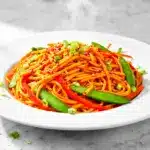
Spicy Peanut Sesame Noodles: Best Easy 30-Minute Meal
- Total Time: 30 minutes
- Yield: 4 servings 1x
Description
A quick, flavorful, and flexible weeknight dinner featuring noodles tossed in a creamy, spicy peanut-sesame sauce with fresh vegetables. Ready in 30 minutes with simple pantry staples.
Ingredients
- 1 pound yellow egg noodles (or ramen, rice noodles, udon)
- 1 tablespoon cooking oil (neutral oil like canola or vegetable)
- ½ cup creamy peanut butter
- 2 tablespoons smooth sesame paste
- ¼ cup soy sauce (low-sodium or tamari for gluten-free)
- 2 tablespoons rice vinegar
- 2 tablespoons Sriracha or chili garlic sauce
- 1 tablespoon maple syrup or honey
- 1 teaspoon toasted sesame oil
- 3 cloves garlic, minced
- 1 teaspoon fresh ginger, grated
- 1 medium red bell pepper, thinly sliced
- 2 medium carrots, julienned or shredded
- 2 heads bok choy, chopped (stems and greens separated)
- 1 cup shelled edamame (frozen is fine)
- 3–4 stalks green onions, sliced
Instructions
- Prep ingredients: Chop bell pepper, shred carrots, chop bok choy, mince garlic, grate ginger, and slice green onions.
- Make the sauce: In a small bowl, whisk together peanut butter, sesame paste, soy sauce, rice vinegar, Sriracha, maple syrup, sesame oil, garlic, and ginger until smooth. Add 1-2 tablespoons warm water if too thick.
- Cook noodles: Bring a large pot of salted water to a boil. Cook noodles according to package directions until al dente. Reserve ½ cup of noodle water before draining. Rinse noodles briefly with cold water.
- Sauté vegetables: Heat oil in a large skillet over medium-high heat. Add carrots and bell pepper; stir-fry for 2-3 minutes. Add bok choy stems and cook for 1 minute. Add bok choy greens and edamame; cook for 1-2 minutes until tender-crisp.
- Combine: Add drained noodles to the skillet with vegetables. Pour sauce over everything. Toss thoroughly to coat. Add reserved noodle water splash by splash if sauce is too thick.
- Serve: Remove from heat. Taste and adjust seasoning. Top with green onions, sesame seeds, and crushed peanuts or chili crisp if desired.
Notes
Do not overcook noodles; they should be al dente as they continue to cook when tossed with sauce. Warm peanut butter slightly to make whisking easier. Always reserve starchy noodle water to help emulsify the sauce. This dish tastes better the next day as leftovers.
- Prep Time: 10 minutes
- Cook Time: 20 minutes
- Category: Main Course
- Cuisine: Asian
Nutrition
- Serving Size: 1 serving
- Calories: 420
- Sugar: 6
- Sodium: 680
- Fat: 16
- Saturated Fat: 3
- Carbohydrates: 52
- Fiber: 4
- Protein: 14
Keywords: spicy peanut noodles, sesame noodles, quick dinner, weeknight meal, vegetarian noodles, peanut sauce, easy recipe, 30 minute meal