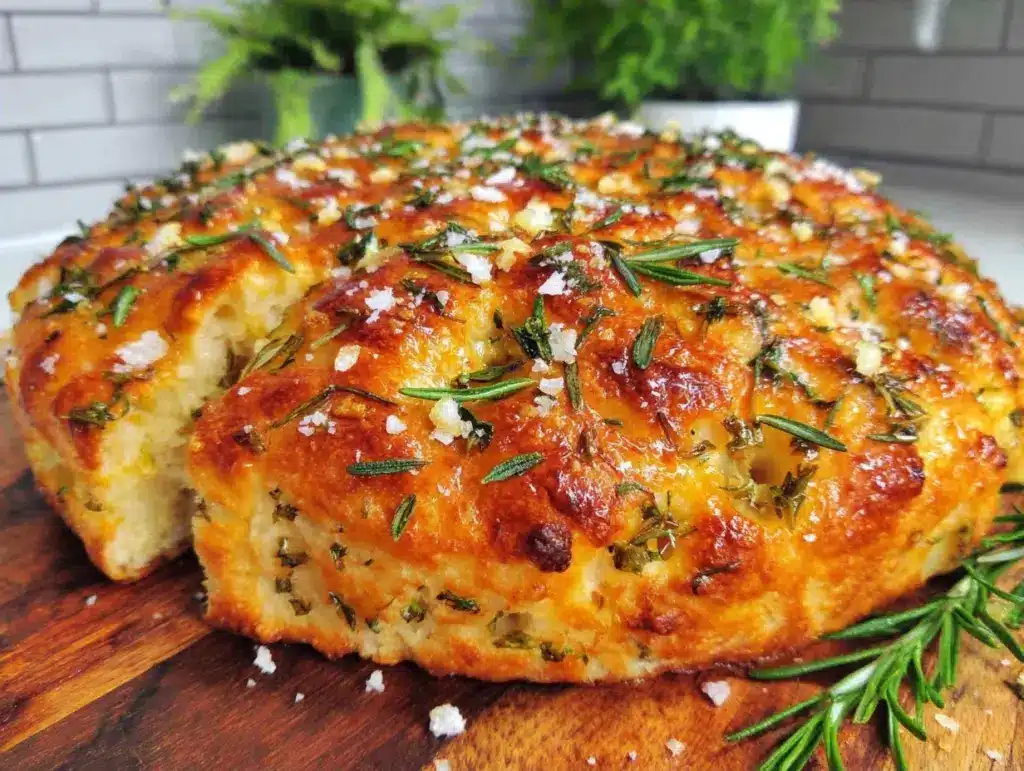
Look, I get it. Bread is intimidating. It’s wet, it’s sticky, it requires patience, and if you mess up the timing, you end up with a dense brick that could double as a doorstop. But this foolproof sourdough focaccia is different. It’s forgiving. It’s messy in a good way. And honestly? It’s the only bread I bake anymore because it actually works for meal prep.
I don’t bake bread for romance. I bake bread because it’s Tuesday, I have a 9 AM meeting, and I need breakfast, lunch, and dinner sorted out before I even put on pants. This focaccia is my secret weapon. I make one big sheet pan on Sunday, and it keeps me fed, happy, and slightly less stressed for four days straight. It’s crispy on the bottom, pillowy in the middle, and those olives? They caramelize into little flavor bombs that change everything.
Here’s the thing about sourdough: people think you need to be a pro to make it. You don’t. You just need a bit of starter, some water, and the willingness to let it sit while you go live your life. This recipe is structured for real life. It’s not about perfect folds and hours of staring at dough. It’s about mixing, letting it rise, dimpling it with your fingers, and walking away. The dough does the work. You just deal with the delicious aftermath.
I’ve tested this version through every season of my sourdough journey. From the cold, slow winters where the dough takes all day, to the hot summers where it rises in half the time, this ratio holds up. It’s consistent. It’s reliable. And once you nail this method, you’ll never buy store-bought bread again. Not even the fancy stuff from the bakery. Because this? This is better. And it costs pennies to make.
Ingredients You’ll Need
Before we dive in, let’s talk about what you actually need. This isn’t a complex recipe with fifteen obscure ingredients you have to drive to three different stores to find. It’s simple flour, water, salt, and your starter. But the quality of those few ingredients matters. Here’s what I use and why.
For the Dough
Bread flour (500g / 4 cups + 2 tbsp) — I always use bread flour. All-purpose works in a pinch, but bread flour has that higher protein content that gives focaccia its chew and structure. Without it, you get cake. I use King Arthur or Bob’s Red Mill. They’re consistent.
Water (400g / 1 ⅔ cups) — Lukewarm is key. Not hot, not cold. Think baby bathwater temperature. If it’s too hot, you’ll kill your starter. If it’s too cold, the dough won’t activate. I keep a jug of warm water in the microwave for quick access.
Active Sourdough Starter (100g / ½ cup) — This needs to be bubbly, active, and fed within 4-6 hours of feeding. If it’s slumped and sad, feed it again and wait. A hungry starter makes sad bread. A happy starter makes happy bread. I always have a jar in the fridge, but I pull it out and feed it the night before I plan to bake.
Sea Salt (10g / 2 tsp) — Fine sea salt dissolves faster, which is good for the dough. I use Diamond Crystal or Morton. If you use table salt, reduce by half because it’s denser. Salt controls fermentation and adds flavor. Don’t skip it.
For the Toppings (The Good Stuff)
Olive Oil (½ cup / 120ml) — This is non-negotiable. You need enough oil to coat the pan and create those crispy, golden pockets. Use good quality extra virgin olive oil. It tastes better and burns at a higher temperature. I use a brand like Colavita or a local grocer’s best option.
Kalamata Olives (½ cup, pitted and halved) — The saltiness of these olives cuts through the richness of the oil. I buy them jarred because it’s faster than pitting fresh ones. If you don’t like olives, swap for cherry tomatoes or just extra rosemary. But the olives are classic for a reason.
Fresh Rosemary (2-3 sprigs) — Fresh is better than dried for focaccia. The needles hold up to baking and release their piney aroma into the oil. I chop them roughly. Dried rosemary can be used, but it’s more potent and less aromatic. Use half the amount if you’re substituting.
Flaky Sea Salt (Maldon or similar) — This goes on *after* baking. It’s for texture and that final salty crunch. Regular table salt will dissolve too much. You want those distinct flakes to crunch against your teeth. It’s the difference between good bread and restaurant-quality bread.
Equipment Needed
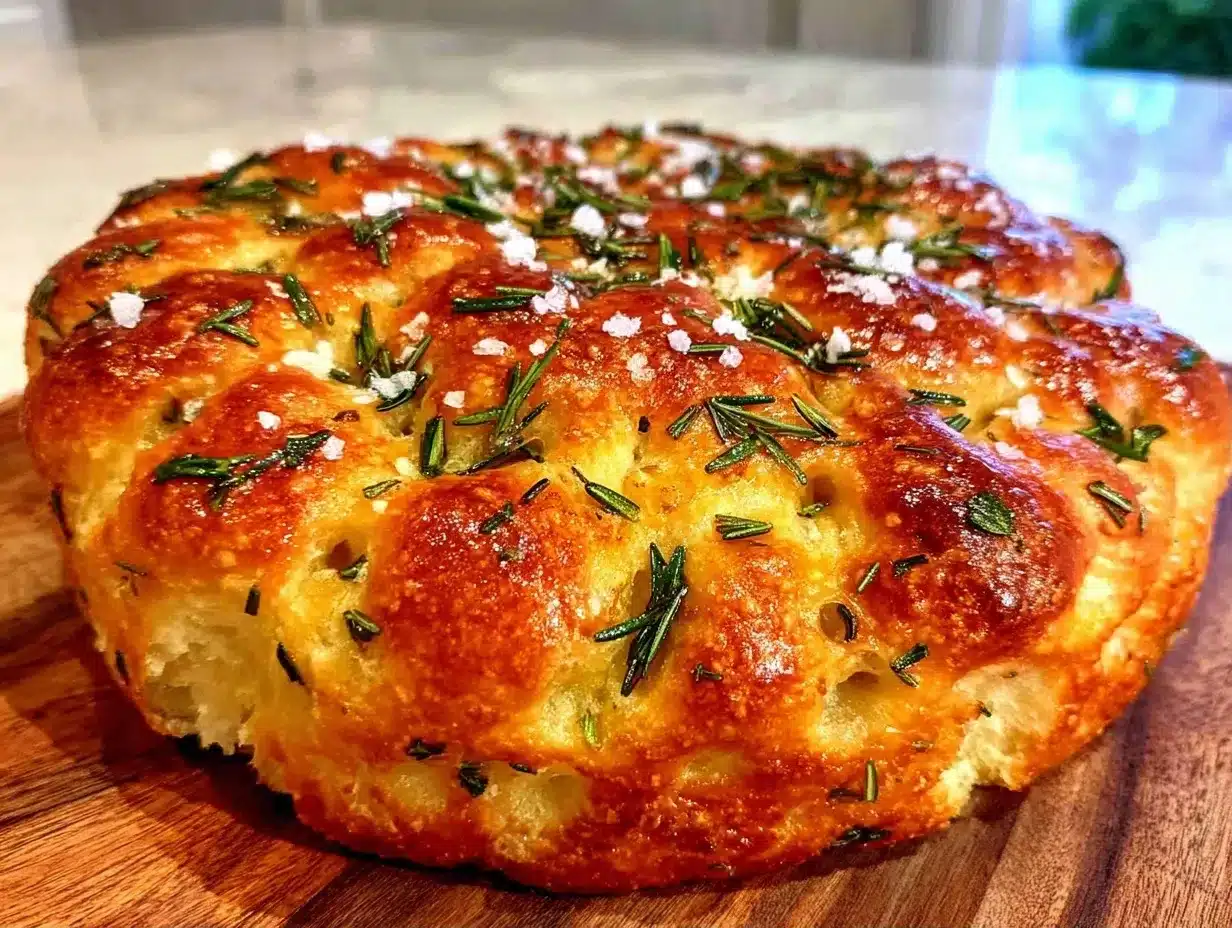
You don’t need fancy gadgets. Here’s what I actually use in my kitchen.
9×13 Inch Baking Pan — I use a metal pan. Glass or ceramic heats slower and can make the bottom soggy. Metal gets hot fast and gives you that crispy bottom crust. If you only have glass, reduce the oven temp by 25 degrees.
Stand Mixer or Hand Mixer — Optional, but helpful. I use my stand mixer on low speed to combine the dough. It saves my wrists. But you can absolutely do this by hand. It just takes more elbow grease.
Dough Scraper — This is my most-used tool. It helps me handle the sticky dough without adding more flour. If you don’t have one, use a spatula or just wet your hands. Wet hands prevent sticking.
Parchment Paper — I line my pan with parchment. Cleanup is instant. No scrubbing baked-on oil and cheese off your pan. Just lift the paper and toss it. Life is too short for dirty pans.
How to Make It: Step-by-Step
Alright, let’s make this. I’m going to walk you through exactly how I do it, including the little tricks I’ve picked up over years of baking. This method is designed for efficiency, so you can get it done while you’re planning your week.
Step 1: Activate Your Starter (The Night Before)
Take your sourdough starter out of the fridge. Feed it with equal parts flour and water. If you have 50g of starter, add 50g flour and 50g water. Mix it well, cover it loosely, and let it sit at room temperature for 4-6 hours. You want it to double in size, become bubbly, and smell yeasty and slightly sour. If it doesn’t rise, it’s not ready. Wait longer. Patience pays off.
Step 2: Mix the Dough
In your mixer bowl (or a large bowl), combine 500g bread flour and 10g salt. Mix briefly to distribute the salt. Add 400g lukewarm water and 100g active starter. Mix on low speed until no dry flour remains. This takes about 2-3 minutes. The dough will be shaggy and sticky. That’s good. Don’t add more flour. Cover the bowl and let it rest for 30 minutes. This is called autolyse, and it helps the gluten develop without kneading.
Step 3: Fold the Dough
After 30 minutes, wet your hands and fold the dough. Grab one side, pull it up, and fold it over the center. Do this for all four sides. This strengthens the gluten structure. Cover and rest for 30 minutes. Repeat this folding process two more times, every 30 minutes. So, three folds total, with 30-minute rests in between. By the end, the dough should feel smoother and more elastic. It will still be sticky, but it’ll hold together better.
Step 4: Bulk Fermentation
After the final fold, cover the bowl and let the dough rise at room temperature. This can take 4-6 hours, depending on your kitchen temperature. You’re looking for the dough to increase by about 50-75% in volume. It should look puffy and jiggly. If it’s hot out, it might be done in 3 hours. If it’s cold, it might take 7. Check it by gently shaking the bowl. If the dough jiggles like Jell-O, it’s ready.
Step 5: Shape and Second Rise
Generously oil your 9×13 baking pan. Pour the dough into the pan. Use oiled hands to gently stretch and press the dough into the corners. Don’t worry about it being perfect. It’s focaccia. It’s supposed to be rustic. Cover the pan with a large piece of plastic wrap or a damp towel. Let it rise again for 1-2 hours. It should puff up and fill the pan. If it springs back when you touch it, it needs more time.
Step 6: Dimple and Top
Preheat your oven to 425°F (220°C). Once the dough has risen, it’s time to dimple. Wet your fingers and press them deep into the dough, creating dimples all over the surface. Don’t be shy. Go deep. These dimples hold the oil and toppings. Drizzle the ½ cup of olive oil evenly over the surface. Use your fingers to spread it into the dimples. Sprinkle the chopped rosemary and halved olives over the top. Finish with a generous pinch of flaky sea salt.
Step 7: Bake
Slide the pan into the oven. Bake for 20-25 minutes. You want the edges to be deep golden brown and the bottom to sound hollow when you tap it. If the top is browning too fast, tent it with foil after 15 minutes. Let it cool in the pan for 10 minutes, then transfer to a wire rack. Or, eat it straight out of the pan. I won’t judge.
Expert Tips & Tricks
Here’s everything I’ve learned from making this dozens of times. These tips will save you from my mistakes.
Temperature is Key
If your kitchen is cold, the dough will rise slower. That’s fine. Just be patient. If it’s hot, keep an eye on it. I keep a thermometer in my kitchen to track ambient temp. Aim for 75-78°F for ideal fermentation. Too hot, and the dough overproofs and tastes sour. Too cold, and it takes forever.
Don’t Skip the Folds
I know it’s annoying to set a timer every 30 minutes. But those folds are what give focaccia its open, airy crumb. Without them, you get a dense loaf. It’s worth the five minutes of effort.
Oil is Your Friend
Use enough oil. I see people skimp on oil, and then the focaccia is dry. The oil creates steam during baking, which puffs up the dough. It also creates that crispy, flavorful crust. Don’t be afraid of the oil. It’s not going to ruin your health if you eat a slice.
Freeze It Right
This is where the meal prep magic happens. Let the focaccia cool completely. Slice it into portions. Wrap each slice tightly in plastic wrap, then put them all in a freezer bag. They freeze beautifully for up to 3 months. To reheat, just pop a slice in the toaster oven or air fryer for 3-4 minutes. It tastes fresh-baked.
Variations & Substitutions
Once you’ve nailed the basic version, here’s how you can mix it up. I’ve tried all of these, and they all work.
Savory Herb Version
Skip the olives. Use thyme, oregano, and garlic. Sauté some minced garlic in the oil before drizzling it over the dough. Add grated Parmesan cheese after baking. This is my go-to for sandwiches.
Sweet Version
Skip the rosemary and olives. Drizzle with honey after baking. Sprinkle with cinnamon sugar. It’s like a dessert bread. Great with coffee.
Veggie Loaded
Add caramelized onions, roasted red peppers, or sliced cherry tomatoes before baking. Press them into the dough along with the olives. It adds sweetness and texture.
Gluten-Free Option
Use a 1:1 gluten-free flour blend. The dough will be wetter, so you might need to add a bit more flour. It won’t be as chewy, but it’s still delicious.
Serving & Storage
Here’s how to keep this focaccia fresh and enjoy it all week.
Room Temperature
Store leftover focaccia in an airtight container or wrapped in plastic wrap at room temperature for up to 2 days. It stays soft and delicious. Don’t refrigerate it—it will go stale faster.
Reheating
For the best texture, reheat slices in a toaster oven, air fryer, or skillet with a little butter. Microwave it, and it gets chewy and rubbery. Avoid the microwave if you care about texture.
Freezing
As mentioned, slice and freeze. Thaw at room temperature or reheat directly from frozen. It’s perfect for grabbing on busy mornings.
Meal Prep Idea
Slice the focaccia into squares. Pack them in containers with hummus or cheese for lunch. It’s a great alternative to sandwiches. Or use it for bruschetta by topping with tomatoes and basil.
Nutrition Information
I’m not a nutritionist, but here’s the breakdown if you’re tracking. This is per slice (assuming 12 slices from the pan).
Per Serving:
- Calories: 180
- Protein: 4g
- Carbs: 22g
- Fat: 9g
- Fiber: 1g
- Sugar: 1g
What’s Good:
- Low in sugar
- Decent carbs for energy
- Contains healthy fats from olive oil
What to Know:
- High in sodium due to salt and olives
- Contains gluten
- Calorie count can vary based on oil usage
My Take:
Look, this is bread. It’s carbs and oil. It’s not a diet food. But it’s whole grain (if you use whole wheat flour) and made from simple ingredients. When I eat it, I enjoy it. I don’t stress about the calories. I just eat a reasonable portion and move on.
Final Thoughts
So that’s my foolproof sourdough focaccia! I’ve talked your ear off, I know. But when you make a recipe this often, you have a lot to say about it. This has saved my meal prep game more times than I can count. It’s my answer to “what’s for breakfast?” when I’m tired, don’t want to cook, and still want something that tastes really good.
Make it yours! Try different toppings, swap in your favorite herbs, adjust the salt. The best recipes are the ones you adapt to your family’s tastes. If you make this, drop a comment and let me know what you think! I love hearing how recipes turn out in your kitchen. And if something doesn’t work, tell me that too—I’m here to help troubleshoot.
Happy cooking! And I hope your kitchen smells half as good as mine does right now.
Frequently Asked Questions
Can I use all-purpose flour instead of bread flour?
You can, but the texture will be different. Bread flour has more protein, which creates more gluten. This gives focaccia its chewy, airy texture. All-purpose flour has less protein, so the bread will be softer and more cake-like. If you use all-purpose, the result is still good, just not as traditional. I recommend bread flour for the best results.
My dough didn’t rise—what happened?
Usually, this means your starter wasn’t active enough. Make sure you feed it 4-6 hours before mixing and that it doubles in size. Also, check your water temperature. If it’s too cold, the yeast won’t activate. If it’s too hot, it might have killed the yeast. Aim for lukewarm, not hot.
Can I make this ahead for a dinner party?
Absolutely. Bake the focaccia the day before. Let it cool completely, then wrap it tightly in plastic wrap and store at room temperature. Reheat slices in the toaster oven or air fryer before serving. It will taste almost as good as fresh. This is my go-to strategy for busy weekends.
Why did my focaccia turn out dense?
Dense focaccia usually means the dough didn’t rise enough. Check your starter’s activity. Also, make sure you’re doing the folds. Folds build structure and trap air. If you skip the folds, the dough won’t develop enough gluten to hold gas. Another possibility is over-kneading, which breaks down the gluten. Stick to the low-speed mix and folds.
Can I freeze the dough before baking?
Yes, but it’s tricky. After the bulk rise, divide the dough, shape it in the pan, and freeze it. Thaw it in the fridge overnight, then let it come to room temperature and do the second rise. It’s easier to just bake and freeze the finished bread, though. The texture holds up better.
How do I reheat leftovers without it getting dry?
Avoid the microwave. Use a toaster oven, air fryer, or skillet with a little butter. Heat for 3-4 minutes until warm and crispy. If you must use the microwave, wrap the slice in a damp paper towel and heat for 10-15 seconds. It won’t be crispy, but it’ll be soft.
Can I double this recipe?
Yes, but you’ll need two 9×13 pans or one half-sheet pan. Adjust the baking time slightly, as larger pans might bake faster. Keep an eye on it. Double batches are great for meal prep because you get more slices to freeze.
Pin This Recipe!
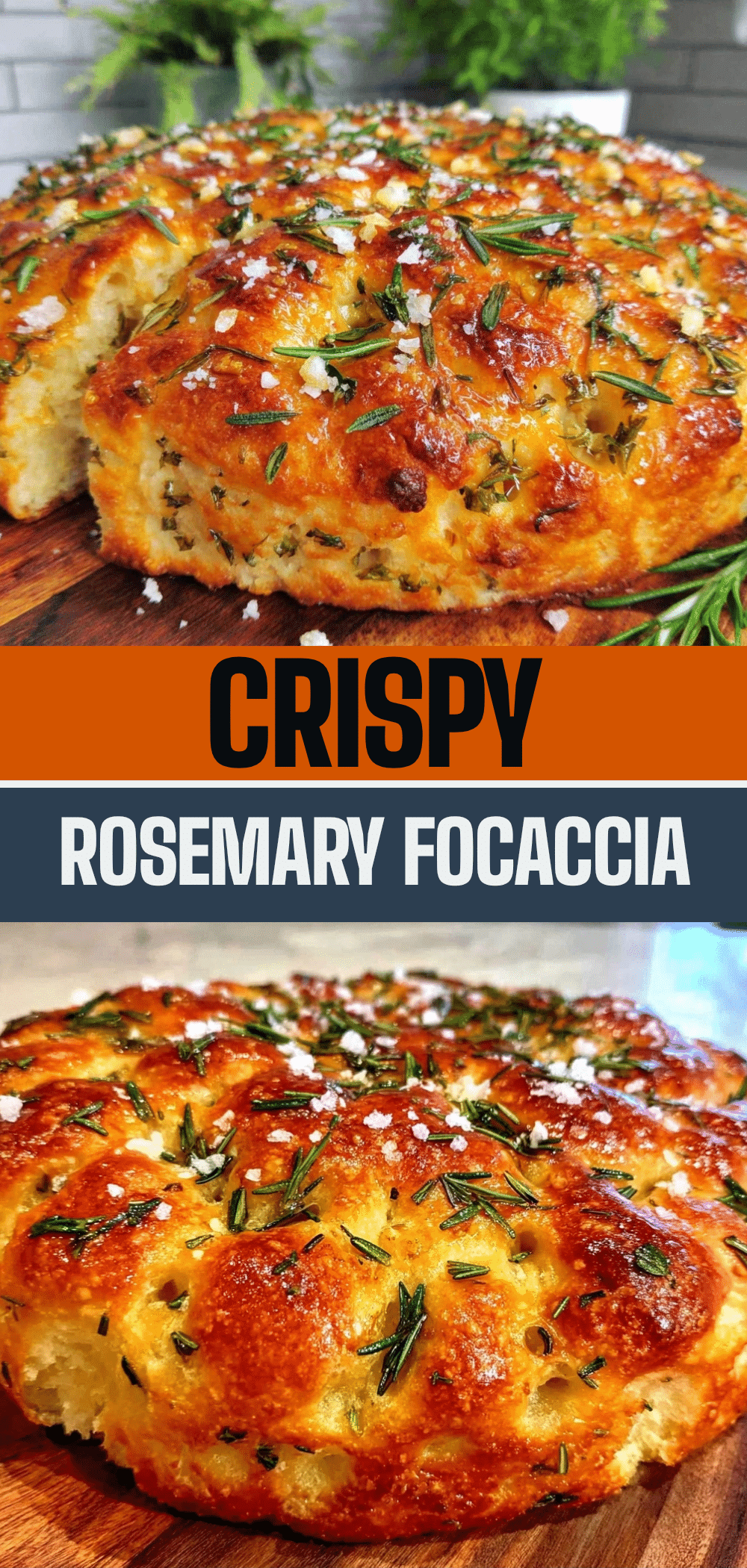

Foolproof Sourdough Focaccia: Make Once, Eat 4 Times This Week
- Total Time: 55 minutes
- Yield: 12 servings 1x
Description
A forgiving, crispy-on-the-bottom, pillowy-in-the-middle sourdough focaccia that is perfect for meal prep. This recipe uses simple ingredients and a structured method to create restaurant-quality bread at home.
Ingredients
- 500g (4 cups + 2 tbsp) Bread flour
- 400g (1 ⅔ cups) Lukewarm water
- 100g (½ cup) Active Sourdough Starter
- 10g (2 tsp) Fine sea salt
- ½ cup (120ml) Extra virgin olive oil
- ½ cup Kalamata olives, pitted and halved
- 2–3 sprigs Fresh rosemary, chopped
- Flaky sea salt (e.g., Maldon) for topping
Instructions
- Activate the sourdough starter the night before by feeding it equal parts flour and water and letting it sit at room temperature for 4-6 hours until doubled and bubbly.
- In a mixer bowl, combine bread flour and salt. Add lukewarm water and active starter. Mix on low speed until no dry flour remains (2-3 minutes). Cover and rest for 30 minutes (autolyse).
- Wet hands and fold the dough by pulling each side over the center. Repeat this process two more times, with 30-minute rests in between, for a total of three folds.
- Cover the bowl and let the dough rise at room temperature for 4-6 hours until it increases by 50-75% and jiggles like Jell-O.
- Generously oil a 9×13 inch metal baking pan. Pour the dough into the pan and gently stretch it into the corners. Cover and let rise again for 1-2 hours until puffy.
- Preheat oven to 425°F (220°C). Wet fingers and press deep dimples into the dough. Drizzle with olive oil, spreading it into the dimples. Sprinkle with rosemary, olives, and flaky sea salt.
- Bake for 20-25 minutes until edges are deep golden brown and the bottom sounds hollow when tapped. Cool in the pan for 10 minutes before transferring to a wire rack.
Notes
Ensure the starter is active and bubbly before mixing. If your kitchen is cold, fermentation may take longer. Do not skip the folding process as it develops gluten structure. For best texture, reheat slices in a toaster oven or air fryer rather than a microwave. The bread can be frozen for up to 3 months.
- Prep Time: 30 minutes
- Cook Time: 25 minutes
- Category: Side Dish
- Cuisine: Italian
Nutrition
- Serving Size: 1 slice (from a 9x13
- Calories: 180
- Sugar: 1
- Fat: 9
- Saturated Fat: 1
- Carbohydrates: 22
- Fiber: 1
- Protein: 4
Keywords: sourdough focaccia, bread recipe, meal prep, easy bread, olive oil bread, homemade focaccia, sourdough starter


