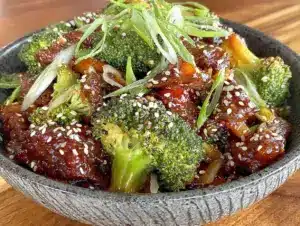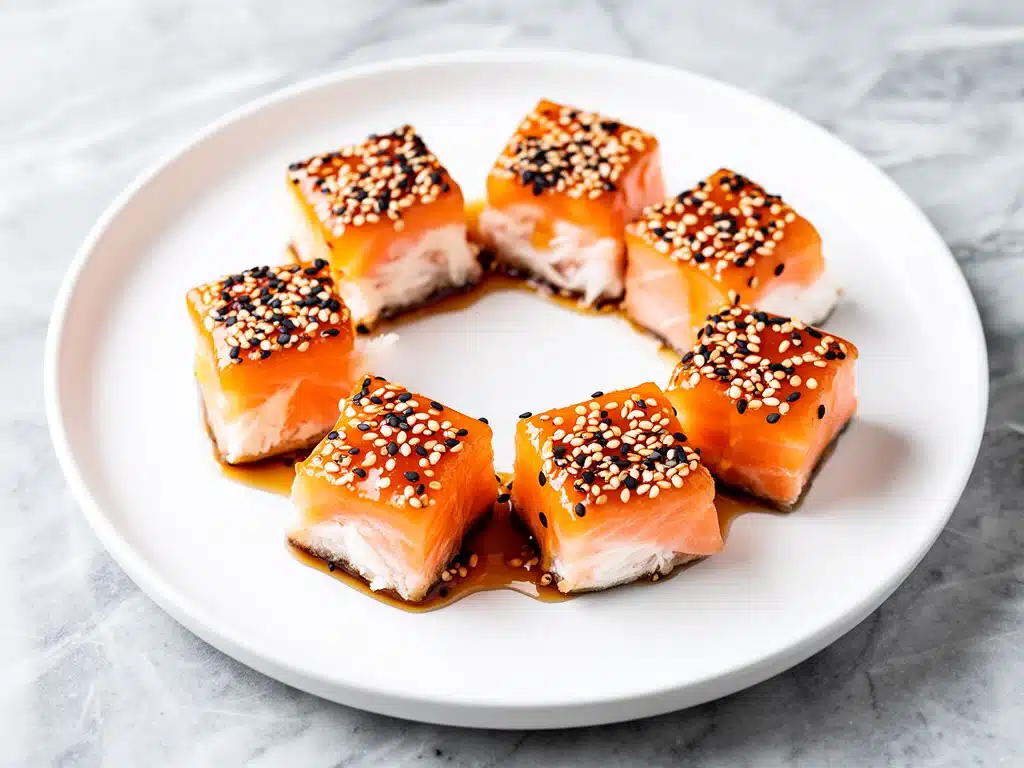
I’ve had one of those Tuesdays before. You know the kind. I get home from work at 6:30 PM, my brain is already fried from eight hours of spreadsheets, and the last thing I want to do is stand over a hot stove for an hour. Usually, this is the moment where I cave and order takeout. But last week, I saw a bag of salmon fillets in the freezer that I’d forgotten about. Instead of letting them thaw into a sad, mushy mess, I decided to hack them into bite-sized pieces.
I threw together a quick teriyaki sauce, tossed the salmon cubes in it, and pan-seared them for just a few minutes. The result? These Sticky Teriyaki Salmon Bites. They were sweet, savory, slightly spicy, and ready in the time it takes to scroll through Netflix. My kids didn’t even realize they were eating healthy seafood; they just kept asking for more because the sauce was so good. That night, I realized I had stumbled onto the ultimate weeknight hack. Now, I make these Sticky Teriyaki Salmon Bites with Sesame at least twice a month.
There’s something magical about cutting salmon into cubes. It cooks faster than a whole fillet, it’s easier to eat (no fish bones to worry about!), and it lets you get more of that delicious sticky glaze in every single bite. If you’re tired of dry, overcooked fish dinners, this recipe is going to change your life. It’s the kind of meal that feels fancy but is actually stupid simple. I’ve tested this method so many times, and I can confidently say it’s the best way to cook salmon when you’re short on time and energy.
Why You’ll Love This Recipe
I don’t say this lightly, but these salmon bites have completely solved my “what’s for dinner” panic. Here’s why they’ve earned a permanent spot in my weekly rotation:
Lightning Fast — Seriously, we’re talking 15 minutes from start to finish. That’s less time than it takes to watch a sitcom episode. I can have this on the table before the pizza delivery guy even rings the doorbell.
No Fancy Skills Required — You don’t need to be a chef to make this. If you can cube a piece of fruit, you can make these salmon bites. The sauce comes together in the same pan you cook the fish in, which means one less dish to wash later. I love a clean kitchen.
Perfectly Cooked Every Time — The biggest fear people have with salmon is drying it out. By cutting it into small, uniform cubes, the heat penetrates evenly. You get a caramelized, sticky exterior and a tender, flaky interior. It’s foolproof.
Kid-Approved — My kids are notoriously picky. They usually stare at salmon like it’s a foreign object. But these bites? They’re like candy. The sweet teriyaki glaze masks the “fishy” taste that some people dislike, and the sesame seeds add a fun crunch. Even my husband, who usually sticks to steak, asks for these on busy nights.
Healthy Without Being Boring — This is packed with omega-3s and protein, but it doesn’t taste like “diet food.” It tastes like a takeout meal from your favorite Asian restaurant, but you know exactly what’s in it. No hidden sugars or weird preservatives, just real food.
Ingredients You’ll Need
Here’s the best part: you probably have most of these ingredients already. This isn’t a recipe that requires a special trip to the store. I keep these staples on hand specifically for nights like this.
SALMON
Salmon fillets (1.5 pounds / 680g) — Look for fresh, center-cut fillets. They’re thicker and hold together better when cubed. I prefer wild-caught salmon because it has a firmer texture, but farmed works too just don’t buy thin, flaky pieces that will fall apart.
Vegetable oil or avocado oil (1 tablespoon) — I use avocado oil because it has a high smoke point, which is great for searing. But regular vegetable oil works fine. Just don’t use extra virgin olive oil; it’ll burn.
For the Sticky Teriyaki Sauce
Soy sauce (1/3 cup / 80ml) — I use low-sodium soy sauce so I can control the saltiness. If you only have regular, cut the amount in half and add water. It’s better to under-salt than over-salt.
Maple syrup (3 tablespoons / 45ml) — This is the secret to the “sticky” part. Brown sugar works, but maple syrup gives a deeper, richer flavor that pairs beautifully with the fish. I don’t use artificial sweeteners here; the texture gets weird.
Rice vinegar (1 tablespoon / 15ml) — Adds that necessary tang to balance the sweetness. Apple cider vinegar works in a pinch, but rice vinegar is the authentic choice.
Minced garlic (4 cloves / about 2 tablespoons) — Fresh garlic is non-negotiable for this. Jarred garlic has a metallic taste that ruins the delicate flavor of the salmon. If you’re in a huge rush, use pre-minced, but fresh tastes way better.
Fresh ginger (1 teaspoon, grated / about 5g) — This is what makes it taste like restaurant-quality food. Grate it yourself. Pre-grated ginger in a tube is okay, but fresh is brighter and more aromatic.
Cornstarch (1 tablespoon) — This thickens the sauce so it clings to the salmon instead of pooling at the bottom of the pan. It’s the key to that glossy finish.
For the Finish
Sesame seeds (1 tablespoon, toasted) — Toasting them in a dry pan for two minutes unlocks a nutty flavor that raw seeds just don’t have. I always toast mine; it’s worth the extra 120 seconds.
Green onions (2 stalks, sliced) — For a fresh, oniony bite at the end. I sprinkle these on right before serving so they stay crisp.
Red pepper flakes (optional, ½ teaspoon) — If you like a little heat, add this. It cuts through the sweetness and adds complexity. I usually add a pinch for myself.
Equipment Needed
You don’t need any fancy gadgets for this. Here’s what I actually use in my kitchen:
Large non-stick skillet or cast iron pan — I prefer a 12-inch skillet. It needs to be big enough to hold all the salmon cubes in a single layer. If you crowd the pan, the salmon steams instead of searing, and you won’t get that sticky crust.
Sharp knife — For cutting the salmon. A dull knife will crush the fish. I use my chef’s knife for this.
Small bowl — For whisking the sauce together. I like to have the sauce ready to go before I start cooking so I don’t forget anything.
Spatula — A silicone spatula is best for stirring the sauce without scratching the pan.
Measuring cups and spoons — Standard stuff. Dollar store versions work fine for this.
Small skillet or dry pan — For toasting the sesame seeds. Or just use the same pan you cook the salmon in, but make sure it’s clean first.
How to Make It: Step-by-Step
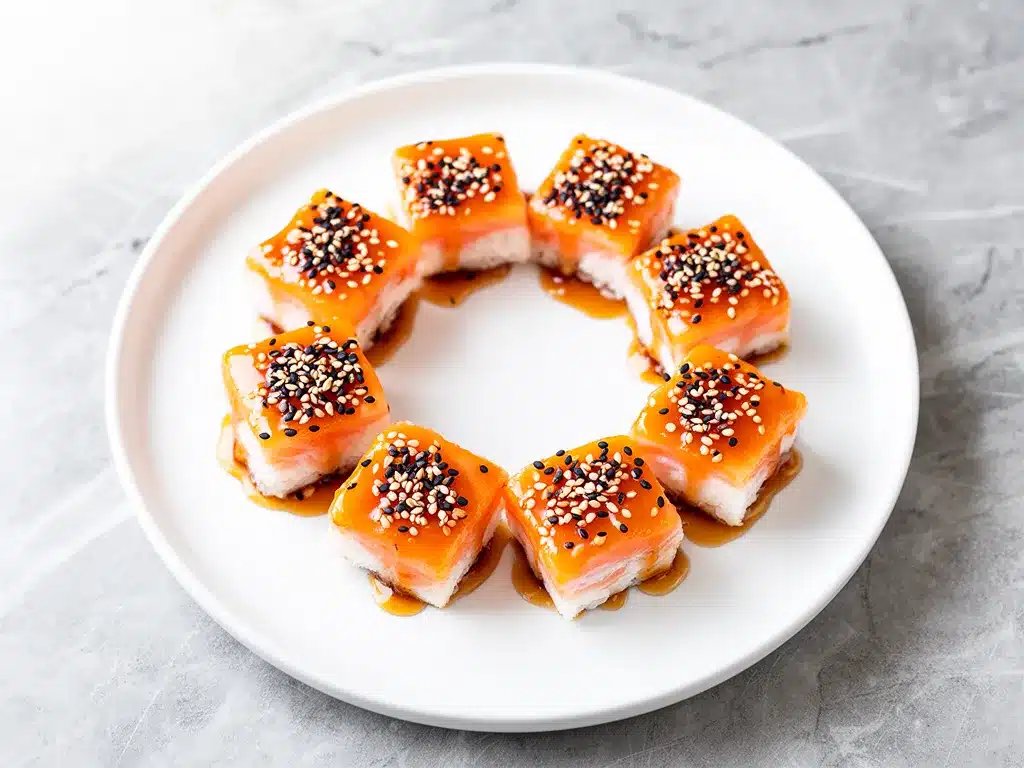
Alright, let’s make these Sticky Teriyaki Salmon Bites! I’m walking you through exactly how I do it, including the little tricks I’ve picked up over the years.
Step 1: Prep the Salmon (5 minutes)
Pat the salmon fillets dry with paper towels. This is crucial—dry salmon sears better than wet salmon. Then, cut the salmon into 1-inch cubes. Try to keep them roughly the same size so they cook evenly. Remove any visible bones with your fingers or tweezers. Toss the cubes gently with a pinch of salt and pepper. Don’t over-mix, or the fish will break apart.
Step 2: Make the Sauce (2 minutes)
In a small bowl, whisk together the soy sauce, maple syrup, rice vinegar, minced garlic, grated ginger, and cornstarch. Whisk until the cornstarch is completely dissolved and the mixture is smooth. It should look like a thin, light brown liquid. Set it aside.
Step 3: Sear the Salmon (5-7 minutes)
Heat the vegetable oil in your large skillet over medium-high heat. Once the oil is shimmering but not smoking, add the salmon cubes in a single layer. Do not overcrowd the pan! If you have a small skillet, cook in batches. Let the salmon cook undisturbed for 2 minutes. This gives it time to form a golden crust. Then, flip the cubes and cook for another 2 minutes. The salmon should be opaque on the outside but still slightly pink in the center. It will finish cooking when we add the sauce.
Step 4: Add the Sauce (2 minutes)
Give the sauce a quick stir (cornstarch settles at the bottom) and pour it over the salmon. Reduce the heat to medium-low. Toss the salmon gently in the sauce. It will start to bubble and thicken almost immediately. Cook for 1-2 minutes, stirring constantly, until the sauce is glossy and clings to every piece of fish. Be careful not to over-stir, or the salmon will break into chunks.
Step 5: Toast the Sesame Seeds (1 minute)
While the sauce is thickening, toast the sesame seeds in a small dry pan over medium heat. Shake the pan constantly. They’re done when they turn golden brown and smell nutty. This takes about 2 minutes, so watch them closely—they burn fast.
Step 6: Serve
Transfer the salmon bites to a serving plate. Sprinkle generously with the toasted sesame seeds and sliced green onions. Serve immediately while the sauce is warm and sticky.
Total Time: About 15 minutes (5 minutes prep, 10 minutes cooking)
Troubleshooting: If the sauce is too thick, add a splash of water. If it’s too thin, let it simmer for another minute. If the salmon breaks apart, you were stirring too much. Let it sear properly in Step 3.
Expert Tips & Tricks
Here’s everything I’ve learned from making this dozens of times. These tips will save you from my mistakes.
Don’t Overcook the Fish
Salmon continues to cook even after you take it off the heat. Pull it when it’s still slightly translucent in the very center. It will finish cooking in the hot sauce. Overcooked salmon is dry and chalky, and nobody wants that.
Use a Cold Pan for Oil?
No, heat the pan first. But if you’re worried about sticking, make sure your oil is hot before adding the fish. A good test is to drop a cube in—if it sizzles immediately, you’re good.
Toast Your Seeds
I cannot stress this enough. Raw sesame seeds are bland. Toasted sesame seeds are aromatic and delicious. It takes one minute and elevates the entire dish. I learned this the hard way when I skipped it once and the dish felt flat.
Pat Dry the Salmon
Moisture is the enemy of a good sear. If the salmon is wet, it steams. Paper towels are your best friend here. I keep a roll specifically for fish prep.
Make-Ahead Sauce
You can mix the sauce up to 3 days ahead and store it in the fridge. It actually thickens in the fridge, so just whisk in a little water before using it.
Variations & Substitutions
Once you’ve nailed the basic version, here’s how you can mix it up. I’ve tried all of these.
Spicy Teriyaki
Add 1 teaspoon of sriracha or chili garlic sauce to the sauce mixture. This adds a kick that balances the sweetness perfectly. My husband loves this version.
Coconut Curry Twist
Swap the soy sauce for coconut aminos (for a gluten-free option) and add 1 tablespoon of red curry paste to the sauce. It’s a completely different flavor profile but just as easy.
Veggie-Packed
Toss in some broccoli florets or bell pepper strips when you add the sauce. They’ll cook in the sauce and soak up all that flavor. It’s an easy way to get more vegetables in.
Gluten-Free
Use tamari instead of soy sauce and ensure your maple syrup is pure (some brands add wheat-based additives, though rare). Everything else is naturally gluten-free.
Dairy-Free
This recipe is naturally dairy-free, so no changes needed. It’s a great option for dairy-free diets.
Serving & Storage
How to Serve:
I usually serve these straight from the skillet at the dinner table—it looks rustic and stays warm. But here are other ways I’ve enjoyed them:
Side Dishes:
– Steamed jasmine rice (to soak up the extra sauce)
– Cauliflower rice (for a low-carb option)
– A simple cucumber salad with sesame dressing
– Stir-fried bok choy
Leftovers:
Store in an airtight container in the fridge for up to 3 days. The salmon will keep well, but the sauce may thicken. Reheat gently in a skillet with a splash of water to loosen the sauce. Don’t microwave it for too long, or the fish will get rubbery.
Freezing:
I don’t recommend freezing these. The texture of cooked salmon changes when frozen and reheated. It’s best enjoyed fresh. If you have leftovers, eat them within 3 days.
Nutrition Information
I’m not a nutritionist, but here’s the breakdown if you’re tracking.
Per Serving (based on 4 servings):
- Calories: 320
- Protein: 30g
- Carbs: 18g
- Fiber: 1g
- Sugar: 12g
- Fat: 12g
- Saturated Fat: 2g
- Cholesterol: 75mg
- Sodium: 680mg
What’s Good:
– High in protein and omega-3s
– Low in carbs (if you skip the rice)
– Packed with healthy fats
What to Know:
– Higher in sodium due to soy sauce
– Contains sugar from the maple syrup
– Moderate calories, but very filling
My Take:
Look, this is a flavorful meal with a sweet glaze. It’s not a diet recipe, but it’s way better than takeout. When I want to make it lighter, I serve it over cauliflower rice instead of white rice. But usually? I just eat a reasonable portion and enjoy it.
Final Thoughts
So that’s my go-to Sticky Teriyaki Salmon Bites! I’ve probably talked your ear off at this point, but when you make a recipe this often, you have a lot to say about it.
This has saved weeknight dinners more times than I can count. It’s my answer to “what’s for dinner” when I’m tired, don’t want takeout, and still want something that tastes really good. My kids are happy, my husband’s happy, and I’m happy because I’m not stressed about cooking.
Make it yours! Try different add-ins, swap in your favorite vegetables, or adjust the spice level. The best recipes are the ones you adapt to your family’s tastes.
If you make this, drop a comment and let me know what you think! I love hearing how recipes turn out in your kitchen. And if something doesn’t work, tell me that too—I’m here to help troubleshoot.
Happy cooking! And I hope your kitchen smells half as good as mine does right now.
Frequently Asked Questions
Can I use frozen salmon for this recipe?
You can, but you need to thaw it completely first. Pat it very dry before cubing. Frozen salmon often releases more water, so you might need to sear it a bit longer to get that sticky crust. Fresh salmon is always better, but frozen works in a pinch.
Why did my salmon break apart?
This usually happens if you stir it too much or if the fish wasn’t seared properly. Let the salmon cook undisturbed for 2-3 minutes on each side. Once it forms a crust, it’s easier to flip. Also, make sure you’re using firm-fleshed salmon like Atlantic or Sockeye, not thin, flaky varieties.
Can I make the sauce ahead of time?
Yes! The sauce keeps in the fridge for up to 5 days. Just whisk it well before using it, as the cornstarch will settle. You can even mix it up the night before and let it sit in the fridge.
Is this recipe gluten-free?
Not if you use regular soy sauce. To make it gluten-free, simply swap the soy sauce for tamari or coconut aminos. Everything else in the recipe is naturally gluten-free.
What can I substitute for maple syrup?
Brown sugar or honey works well. Use the same amount. Brown sugar gives a deeper flavor, while honey is sweeter and more floral. Maple syrup is my favorite because it has a unique taste that pairs perfectly with salmon, but you won’t go wrong with either substitute.
How do I store leftovers?
Store in an airtight container in the fridge for up to 3 days. Reheat gently in a skillet with a splash of water to loosen the sauce. Avoid microwaving for too long, or the fish will get rubbery.
Pin This Recipe!
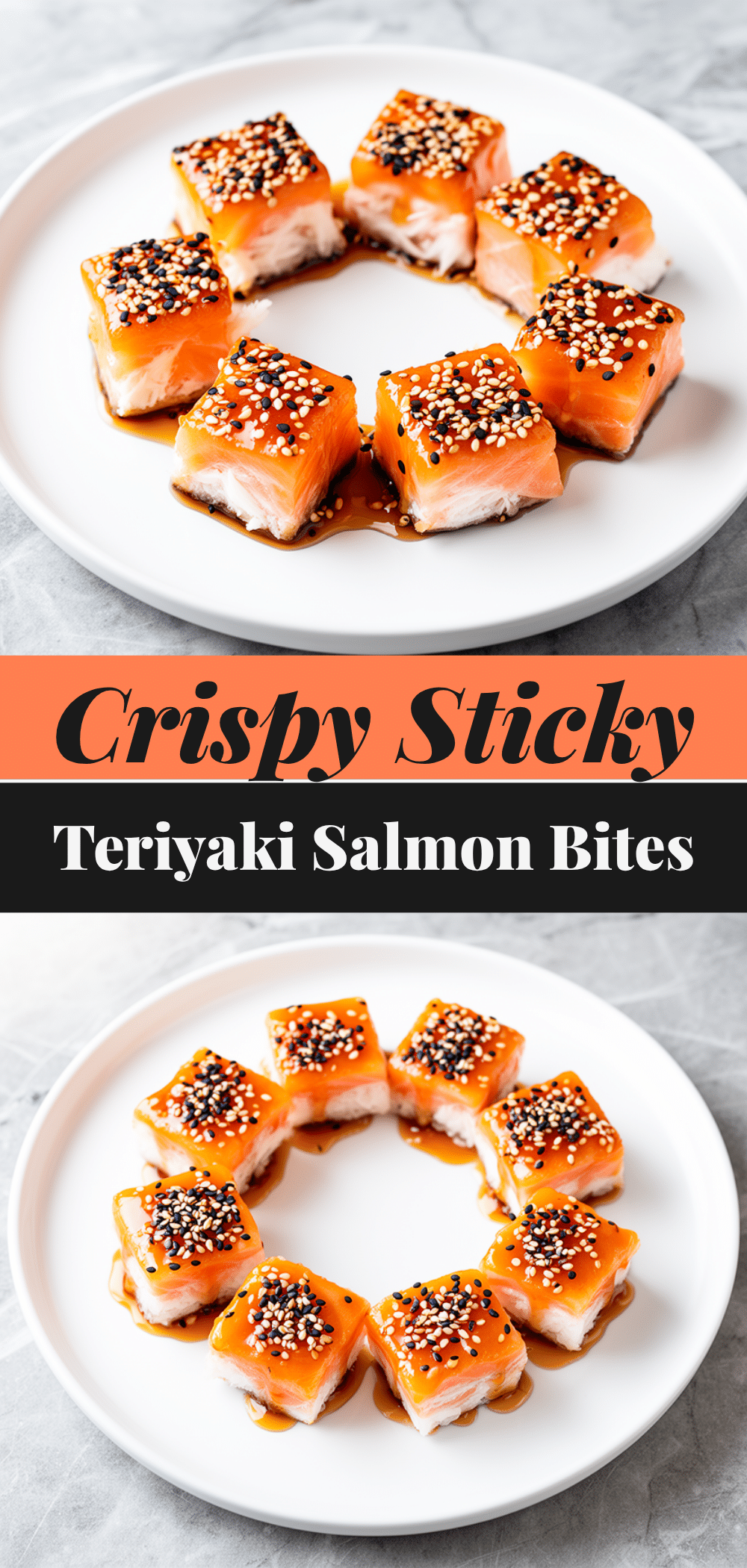
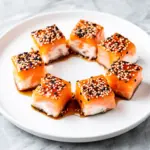
Sticky Teriyaki Salmon Bites
- Total Time: 15 minutes
- Yield: 4 servings 1x
Description
A quick and easy 15-minute weeknight dinner featuring bite-sized salmon cubes pan-seared in a sweet, savory, and sticky teriyaki glaze with sesame seeds.
Ingredients
- 1.5 pounds salmon fillets, cut into 1-inch cubes
- 1 tablespoon vegetable oil or avocado oil
- 1/3 cup soy sauce (low-sodium recommended)
- 3 tablespoons maple syrup
- 1 tablespoon rice vinegar
- 4 cloves garlic, minced
- 1 teaspoon fresh ginger, grated
- 1 tablespoon cornstarch
- 1 tablespoon sesame seeds, toasted
- 2 stalks green onions, sliced
- 1/2 teaspoon red pepper flakes (optional)
- Salt and pepper to taste
Instructions
- Pat salmon fillets dry with paper towels and cut into 1-inch cubes. Remove any visible bones. Toss gently with a pinch of salt and pepper.
- In a small bowl, whisk together soy sauce, maple syrup, rice vinegar, minced garlic, grated ginger, and cornstarch until smooth. Set aside.
- Heat oil in a large non-stick skillet over medium-high heat. Add salmon cubes in a single layer (cook in batches if necessary).
- Sear salmon undisturbed for 2 minutes until a golden crust forms. Flip and cook for another 2 minutes until opaque on the outside but slightly pink in the center.
- Stir the sauce mixture and pour it over the salmon. Reduce heat to medium-low.
- Toss salmon gently in the sauce for 1-2 minutes until the sauce thickens and becomes glossy, clinging to the fish. Avoid over-stirring to prevent breaking the fish.
- While the sauce thickens, toast sesame seeds in a small dry pan over medium heat for about 2 minutes until golden and nutty.
- Transfer salmon bites to a serving plate. Sprinkle with toasted sesame seeds and sliced green onions. Serve immediately.
Notes
Do not overcrowd the pan to ensure proper searing rather than steaming. Pat the salmon dry before cooking to help it sear better. The salmon continues to cook after being removed from heat, so pull it when slightly translucent in the center. If the sauce is too thick, add a splash of water; if too thin, simmer longer. For a gluten-free version, substitute soy sauce with tamari or coconut aminos.
- Prep Time: 5 minutes
- Cook Time: 10 minutes
- Category: Main Course
- Cuisine: Asian
Nutrition
- Serving Size: Approximately 1 cup
- Calories: 320
- Sugar: 12
- Sodium: 680
- Fat: 12
- Saturated Fat: 2
- Carbohydrates: 18
- Fiber: 1
- Protein: 30
Keywords: salmon, teriyaki, quick dinner, weeknight meals, healthy seafood, bite-sized salmon, gluten-free option, dairy-free