I have a confession to make. I used to think turkey breast was the saddest thing you could serve on a Tuesday night. You know the type: dry, pale, and served with a side of guilt because you’re trying to be “healthy” but really just want something that tastes good. For years, I avoided it entirely. I’d grab a rotisserie chicken or fire up the grill for burgers instead. But then, three years ago, I was stuck in a grocery store aisle at 6:30 PM, holding a boneless turkey breast, and I had a moment of clarity.
I was tired of the same old chicken routine. I wanted something that felt special, something that smelled like Sunday dinner, but I didn’t have four hours to roast a whole bird. So I did what any desperate home cook would do: I slathered it in garlic butter, buried it in fresh herbs, and threw it in the oven at a high heat. I figured I’d just wing it.
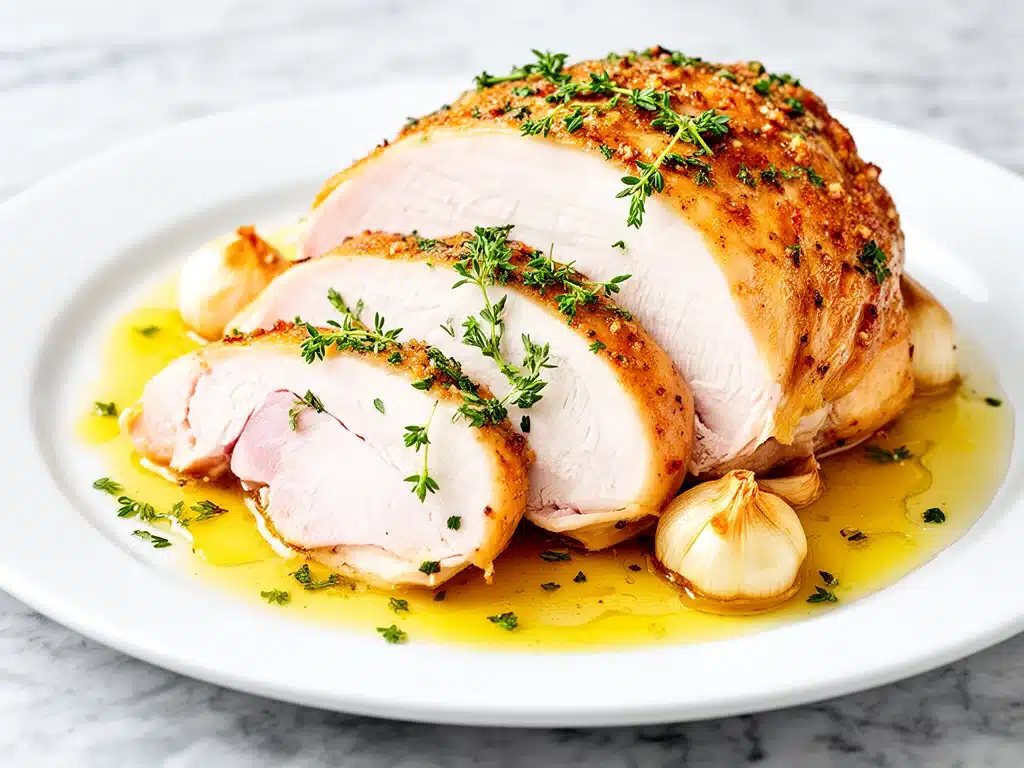
It didn’t just work. It was incredible. Juicy. Flavorful. The skin got crisp and golden, the meat stayed moist, and the kitchen smelled like a fancy restaurant. That was the day I realized that a quick-roasted turkey breast isn’t a compromise—it’s an upgrade. It cooks faster than chicken when you get the temperature right, and it has this subtle, elegant flavor that kids actually eat without complaint.
This herb roasted garlic butter turkey breast has now become my go-to for busy weeknights when I want to break the chicken monotony but still get dinner on the table in under an hour. I’ve tested this method over a dozen times, tweaking the herb blend and the butter mixture until it was perfect. And let me tell you, once you try it, you might never go back to plain roasted chicken again.
Why You’ll Love This Recipe
There are about ten reasons I keep making this turkey breast, but here are the big ones that actually matter to your weeknight sanity.
Lightning Fast — Seriously, if you can preheat an oven and melt butter, you can make this. Because it’s boneless and relatively thin, it cooks in about 45-50 minutes. That’s less time than it takes to order and wait for delivery. I make this on nights when I get home from work at 7pm and want to eat by 8:30.
Impossibly Juicy — The secret is the garlic butter rub. The fat bastes the meat from the outside while it roasts, and the herbs infuse every fiber. I’ve made dry turkey before, but this method guarantees moist meat every single time. Even if you slightly overcook it (we all do), it stays tender.
Pantry-Friendly Herbs — You probably have most of this already. Fresh rosemary, thyme, and sage are great, but dried work fine too if you’re in a pinch. The garlic butter part is where the magic happens, and you likely have butter and garlic on hand.
Feels Fancy, Costs Less — Turkey breast is often cheaper per pound than chicken breast, especially when on sale. Yet it looks like something you’d order at a nice bistro. I’ve served this to friends who are “foodies,” and they always ask for the recipe. It’s a budget-smart win that feels luxurious.
Leftovers That Taste Better — Cold turkey is okay, but leftover turkey breast makes amazing sandwiches the next day. The flavors meld overnight, and I often use the scraps in my crockpot cheesy taco pasta for a quick lunch. It’s versatile and reliable.
This is my answer to “what’s for dinner” when I’m tired but don’t want takeout. It’s simple, it’s healthy, and it makes everyone happy. No complicated techniques, no weird ingredients, just reliable, delicious food.
Ingredients You’ll Need
Here’s the best part: you probably have most of this already. I’m particular about three ingredients here, and I’ll tell you exactly why.
Boneless Turkey Breast (1.5 to 2 pounds / 680g to 900g) — Look for a single, uniform piece. Avoid the ones that are pre-stuffed or tied with too much string. A single breast roasts evenly. If it’s too thick in the middle, ask the butcher to pound it slightly flat or tie it evenly. I buy mine at the local grocery store, usually from the fresh poultry section.
Unsalted Butter (½ cup / 113g) — Softened to room temperature. This is crucial. If the butter is cold, you can’t mix it properly with the herbs. Soft butter creates a smooth paste that spreads easily under the skin. I use high-quality butter because it really makes a difference in the flavor of the skin.
Fresh Garlic (6-8 cloves, minced / about 3 tablespoons) — Yes, six to eight cloves. Don’t skimp. Garlic is the star here. Fresh only—no jarred garlic in this recipe. Jarred garlic has a metallic taste that clashes with the delicate turkey. Mince it finely so it distributes evenly.
Fresh Herbs (2 tablespoons total, chopped) — I use a mix of rosemary, thyme, and sage. Rosemary gives that piney aroma, thyme adds earthiness, and sage brings that classic Thanksgiving vibe. If you can’t find fresh, use 1 teaspoon of dried herbs for each fresh tablespoon, but fresh is better. I buy a small bundle from the produce section; it’s cheap and lasts a while.
Olive Oil (1 tablespoon) — Helps the butter brown and prevents burning. Extra virgin works best for flavor.
Salt and Black Pepper (1 teaspoon kosher salt, ½ teaspoon cracked pepper) — Season the turkey generously. I use kosher salt because it’s easier to control. If you use table salt, reduce the amount by half.
Chicken or Turkey Broth (½ cup / 120ml) — For deglazing the pan. This creates a quick pan sauce. Low-sodium is best so you can control the saltiness. Vegetable broth works for a vegetarian version, though the flavor will be slightly different.
Optional Add-ins:
Butternut Squash or Potatoes (2 cups, chopped) — Toss these in the roasting pan with the turkey. They soak up the garlic butter and herbs. I love adding cubed butternut squash for a sweet contrast to the savory turkey.
Equipment Needed
You don’t need fancy equipment for this. Here’s what I actually use.
Roasting Pan or Sheet Pan — I prefer a sheet pan with a rim because it’s easier to clean and I can roast veggies on it too. A 13×18 inch pan works well. If you use a roasting pan, make sure it’s not too deep, or the turkey will steam instead of roast.
Meat Thermometer — This is non-negotiable. I’m serious. Guessing doneness leads to dry turkey. An instant-read thermometer takes the stress out. I use a digital one that gives a reading in 3 seconds. It’s worth every penny.
Small Mixing Bowl — For mixing the garlic butter paste. Any small bowl works.
Sharp Knife — For mincing garlic and chopping herbs. A dull knife makes you cry more—learned this the hard way with onions, but it applies to herbs too.
Pastry Brush or Fork — To spread the butter mixture. A fork works fine if you don’t want to wash a brush.
Aluminum Foil — Optional, for tenting if the skin browns too fast.
Cutting Board — Any size works. I use plastic for easier cleanup.
Carving Board — Or just a clean plate. Turkey needs to rest before carving, so have a place ready.
How to Make It: Step-by-Step
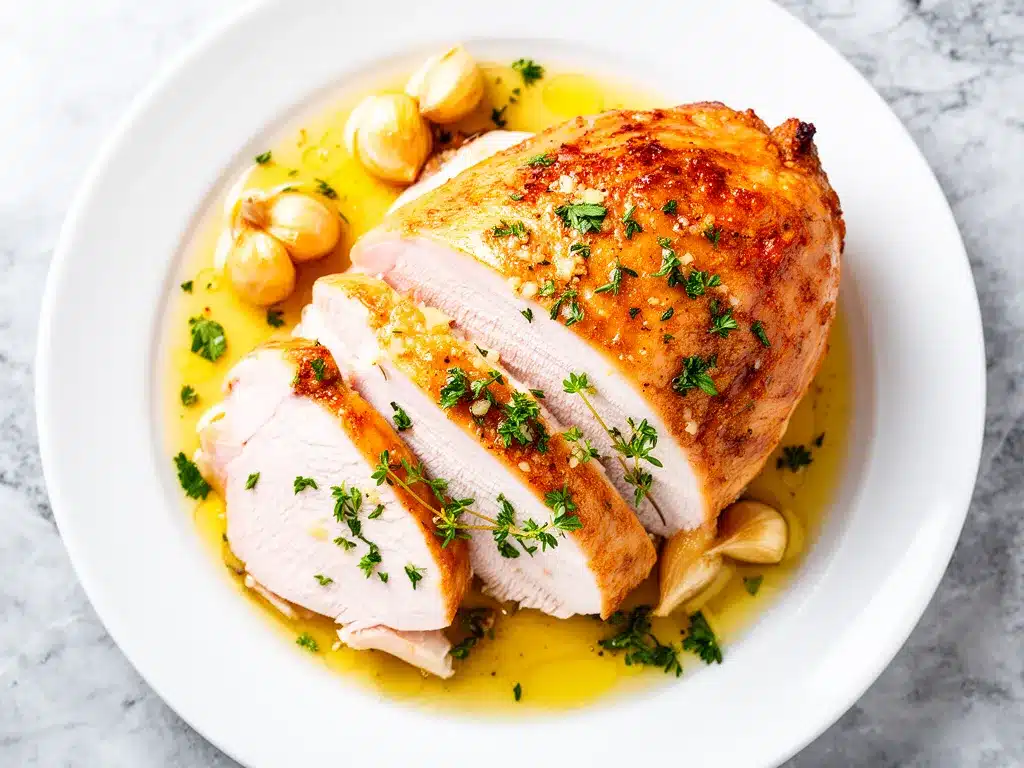
Alright, let’s make this! I’m walking you through exactly how I do it, including the little tricks I’ve picked up.
Step 1: Prep the Turkey (5 minutes)
Preheat your oven to 400°F (200°C). High heat is key for crispy skin. Pat the turkey breast completely dry with paper towels. This is the most important step for browning. If it’s wet, it steams. Remove any excess fat or loose skin. If the breast is uneven in thickness, you can tie it with kitchen twine to make it uniform, or just tuck the thinner tail end under.
Step 2: Make the Garlic Butter Herb Paste (3 minutes)
In a small bowl, combine the softened butter, minced garlic, chopped herbs, salt, and pepper. Mix until it forms a smooth, fragrant paste. Smell it—that’s the good stuff. If it’s too hard to mix, microwave the butter for 10 seconds to soften it more.
Step 3: Under the Skin (2 minutes)
Gently loosen the skin from the meat. Start at the neck end and slide your fingers up, being careful not to tear the skin. You want to create a pocket. Spread about half of the garlic butter paste directly onto the meat, under the skin. This bastes the turkey from the inside as it cooks. Save the rest for the top.
Step 4: Season the Top (1 minute)
Place the turkey breast skin-side up on your roasting pan or sheet pan. Spread the remaining garlic butter paste over the skin. Rub it in gently, making sure to cover every inch. Drizzle with olive oil. Season lightly with more salt and pepper if needed.
Step 5: Roast (45-50 minutes)
Put the turkey in the oven. Roast for 45-50 minutes. Do not open the oven door too often, or you’ll lose heat. The turkey is done when the internal temperature reaches 165°F (74°C) in the thickest part. Start checking at 40 minutes. If the skin is browning too fast, tent it loosely with foil.
Step 6: Rest (10 minutes)
Remove the turkey from the oven and transfer it to a cutting board. Tent it loosely with foil and let it rest for at least 10 minutes. This allows the juices to redistribute. If you cut into it immediately, all the juice runs out, and you end up with dry meat. Trust me on this.
Step 7: Make a Quick Pan Sauce (Optional, 3 minutes)
While the turkey rests, pour the juices from the pan into a small saucepan. Add the chicken broth. Simmer for 2-3 minutes, scraping up the browned bits. Whisk in a tablespoon of cold butter for shine. Pour over the sliced turkey.
Total Time: About 60 minutes (15 minutes prep, 45 minutes cook).
Expert Tips & Tricks
Here’s everything I’ve learned from making this dozens of times. These tips will save you from my mistakes.
Don’t Skip the Dry Pat
Moisture is the enemy of crispy skin. I know it seems like a waste of paper towels, but drying the turkey thoroughly is the #1 reason this recipe works. Wet turkey = steamed turkey. Dry turkey = crispy, golden skin.
Room Temperature Butter
Cold butter doesn’t spread under the skin. It clumps. If you forget to take it out, microwave it for 10-15 seconds. You want it soft but not melted into oil.
Thermometer is Your Friend
I’ve ruined turkeys by guessing. Now I check at 40 minutes. Pull it at 160°F (71°C). The residual heat will carry it to 165°F while it rests. This prevents overcooking.
Let It Rest
I know it’s tempting to carve immediately. But 10 minutes of rest makes a huge difference. The meat firms up, and the juices stay put. Use this time to make the pan sauce or set the table.
Herb Substitutions
If you hate sage, use more thyme and rosemary. If you don’t have fresh herbs, use 1 teaspoon of dried herbs for every tablespoon of fresh. Dried herbs are more potent, so use less.
Common Mistakes:
Mistake: Turkey is dry. Fix: You cooked it too long or didn’t let it rest. Use a thermometer.
Mistake: Skin is pale. Fix: The turkey was wet, or the oven wasn’t hot enough. Ensure 400°F and dry skin.
Mistake: Garlic burned. Fix: Garlic burns at high heat. If the skin is browning too fast, tent with foil.
Pro Trick:
For extra flavor, add lemon slices under the skin before roasting. The citrus steams the meat slightly and adds brightness. It’s a game-changer.
Variations & Substitutions
Once you’ve nailed the basic version, here’s how you can mix it up. I’ve tried all of these.
Lemon Herb
Add the zest of one lemon to the butter mixture. Tuck lemon slices under the skin. Bright and fresh. Great for spring.
Spicy Garlic
Add ½ teaspoon of red pepper flakes to the butter. Or use harissa paste instead of some of the butter. For a kick.
Veggie-Roasted
Toss chopped potatoes, carrots, and onions in olive oil and herbs. Place them in the pan around the turkey. They roast in the turkey juices. Super easy cleanup. I often serve this with my creamy sun-dried tomato spinach chicken style veggies, but roasted is easier.
Herb-Crusted
Mix breadcrumbs with the garlic butter and spread on top before roasting. Adds crunch. Like a turkey pot pie filling, but crispy.
Gluten-Free
This recipe is naturally gluten-free. Just ensure your broth and herbs are certified GF if you’re sensitive.
Dairy-Free
Replace butter with olive oil or dairy-free butter. The texture will be different, but the flavor is still good. Use olive oil for the rub.
Proteins:
You can use this method for chicken breasts too, but reduce cook time to 25-30 minutes. Or use pork tenderloin. Cook time is similar to turkey breast.
Serving & Storage
How to Serve:
I usually slice the turkey into thick medallions and arrange them on a platter. Pour the pan sauce over the top. Garnish with fresh parsley or thyme sprigs. It looks rustic and elegant.
Side Dishes:
Mashed potatoes (obviously), roasted green beans, steamed broccoli, or a simple arugula salad with lemon vinaigrette. I also love serving it with blistered shishito peppers for a garlic-forward side that complements the main dish.
Toppings Bar:
Extra pan sauce, fresh cracked pepper, crispy fried onions (for fun), or cranberry sauce. Everyone customizes their plate.
Wine Pairing:
Pinot Noir or Chardonnay. Not a wine expert, but my friend says these work great with roasted poultry.
Storage:
Store in an airtight container in the fridge for up to 4 days. The turkey will keep well, and the flavors meld.
Reheating:
Best method: Slice and warm gently in a skillet with a splash of broth. Cover to steam slightly.
Microwave method: Heat in 30-second intervals with a splash of water. Cover to prevent drying.
Avoid: Reheating whole breast in microwave. It gets tough. Slice first.
Freezing:
Yes, it freezes well. Wrap slices tightly in plastic wrap, then foil. Freeze for up to 3 months. Thaw in fridge overnight. Reheat gently. The texture might be slightly drier, but it’s still good.
Nutrition Information
I’m not a nutritionist, but here’s the breakdown if you’re tracking.
Per Serving (based on 6 servings):
- Calories: 280
- Protein: 35g
- Carbs: 2g
- Fiber: 0g
- Sugar: 0g
- Fat: 14g
- Saturated Fat: 7g
- Cholesterol: 95mg
- Sodium: 320mg
What’s Good:
High protein, low carb. Great for keto or low-carb diets. Good source of selenium and B vitamins.
What to Know:
Higher in saturated fat from butter. Use less butter or olive oil to reduce. Sodium can be controlled by using low-sodium broth and less salt.
My Take:
This is a lean, healthy protein source. It’s not a diet recipe, but it’s much better than fried chicken. When I want to make it lighter, I reduce the butter to ¼ cup and load up on veggies. But usually? I just eat a reasonable portion and enjoy it.
Final Thoughts
So that’s my herb roasted garlic butter turkey breast! I’ve probably talked your ear off at this point, but when you make a recipe this often, you have a lot to say about it.
This has saved weeknight dinners more times than I can count. It’s my answer to “what’s for dinner” when I’m tired, don’t want takeout, and still want something that tastes really good. My kids are happy, my husband’s happy, and I’m happy because I’m not stressed about cooking.
Make it yours! Try different herbs, swap in your favorite vegetables, adjust the garlic (though more is always better in my opinion). The best recipes are the ones you adapt to your family’s tastes.
If you make this, drop a comment and let me know what you think! I love hearing how recipes turn out in your kitchen. And if something doesn’t work, tell me that too—I’m here to help troubleshoot.
Happy cooking! And I hope your kitchen smells half as good as mine does right now.
Frequently Asked Questions
Can I use a frozen turkey breast?
You can, but it’s not ideal. Thaw it completely in the fridge first. Cooking frozen turkey leads to uneven cooking—burnt outside, raw inside. Plan ahead. If you’re in a rush, buy fresh.
Why did my turkey come out dry?
Most likely, you overcooked it. Turkey breast has very little fat, so it dries out quickly. Use a thermometer. Pull it at 160°F. Also, ensure you’re using the garlic butter rub to baste it.
Can I make this ahead for a dinner party?
Sort of. You can prep the garlic butter paste and store it in the fridge. Rub the turkey in the morning, refrigerate, and roast in the evening. Or roast it ahead and reheat gently with broth. It won’t be quite as crispy, but it’s close.
Why did my skin get soggy?
The turkey was wet, or the oven wasn’t hot enough. Dry the skin thoroughly. Ensure your oven is preheated to 400°F. Don’t crowd the pan. Give it space to breathe.
Can I use dried herbs instead of fresh?
Yes. Use 1 teaspoon of dried herbs for every tablespoon of fresh. Dried herbs are more potent. Add them to the butter paste. The flavor will be slightly less bright, but still good.
How do I reheat leftovers without it getting dry?
Slice the turkey and warm it gently in a skillet with a splash of broth or water. Cover to steam. Microwave only if you add liquid and heat in short bursts. Avoid dry heat.
Can I double this recipe?
Yes. Use a larger roasting pan. Ensure the turkey is in a single layer. Cook time might increase by 5-10 minutes. Check temperature carefully.
Pin This Recipe!
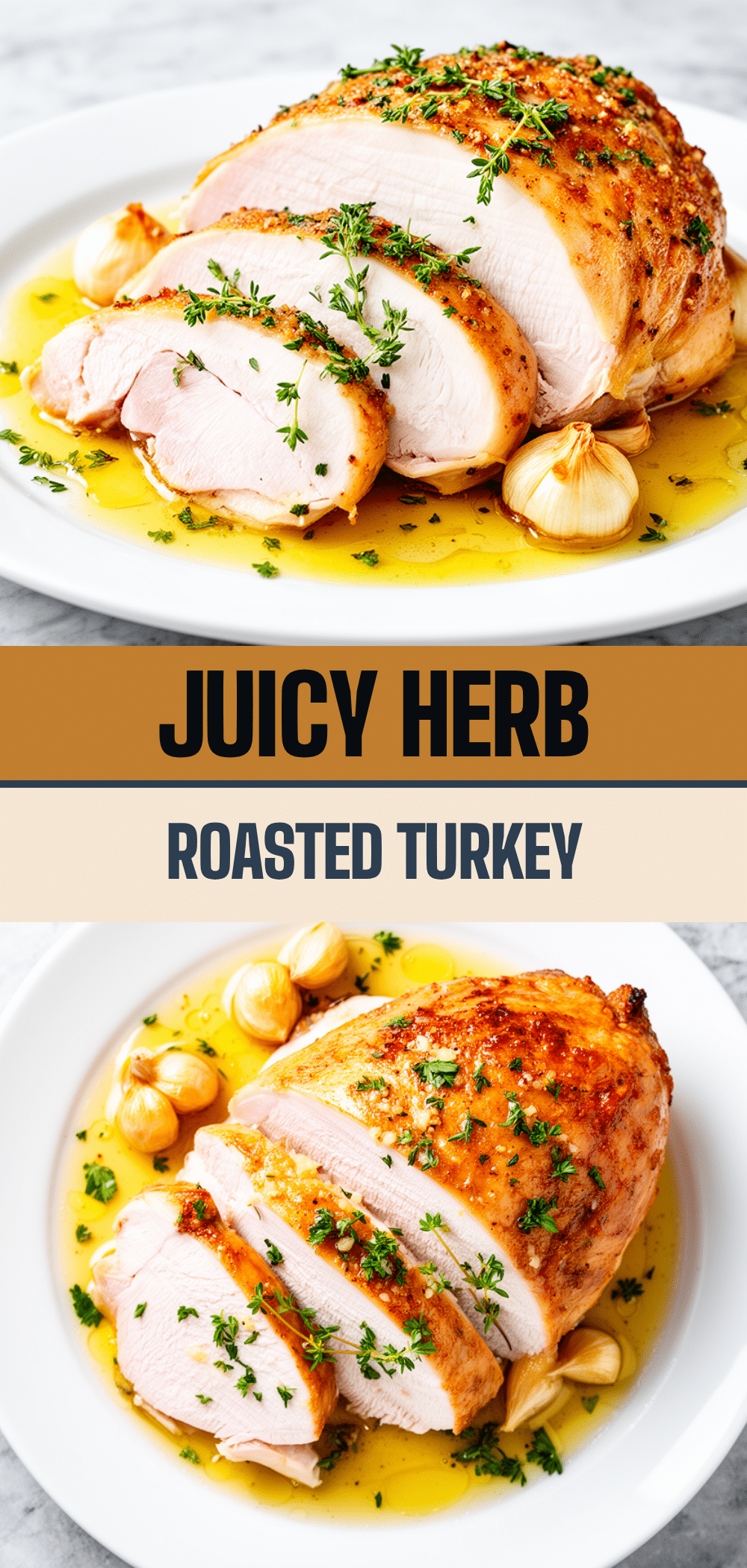
Herb Roasted Garlic Butter Turkey Breast: Easy Weeknight Dinner
- Total Time: 60 minutes
- Yield: 6 servings 1x
Description
A quick and flavorful weeknight dinner featuring a boneless turkey breast slathered in a garlic butter and herb paste, roasted at high heat for crispy skin and juicy meat.
Ingredients
- 1.5 to 2 pounds boneless turkey breast
- 1/2 cup unsalted butter, softened to room temperature
- 6–8 cloves fresh garlic, minced
- 2 tablespoons fresh herbs (rosemary, thyme, and sage), chopped
- 1 tablespoon olive oil
- 1 teaspoon kosher salt
- 1/2 teaspoon cracked black pepper
- 1/2 cup chicken or turkey broth (low-sodium)
- Optional: 2 cups chopped butternut squash or potatoes
Instructions
- Preheat oven to 400°F (200°C). Pat the turkey breast completely dry with paper towels to ensure crispy skin.
- In a small bowl, mix the softened butter, minced garlic, chopped herbs, salt, and pepper to form a smooth paste.
- Gently loosen the skin from the turkey meat to create a pocket. Spread half of the garlic butter paste directly onto the meat under the skin.
- Place the turkey skin-side up on a roasting pan or sheet pan. Spread the remaining garlic butter paste over the skin and drizzle with olive oil.
- Roast for 45-50 minutes, or until the internal temperature reaches 165°F (74°C). Tent with foil if the skin browns too quickly.
- Remove from oven and let rest for at least 10 minutes before carving to allow juices to redistribute.
- Optional: While resting, deglaze the pan with broth, simmer for 2-3 minutes, and whisk in cold butter to create a quick pan sauce.
Notes
Ensure the turkey is boneless and uniform in thickness for even cooking. Use a meat thermometer to prevent overcooking; pull at 160°F as residual heat will bring it to 165°F. Drying the turkey thoroughly is crucial for crispy skin. If using dried herbs, use 1 teaspoon per tablespoon of fresh herbs.
- Prep Time: 15 minutes
- Cook Time: 45 minutes
- Category: Main Course
- Cuisine: American
Nutrition
- Serving Size: Approximately 1/6 of
- Calories: 280
- Sodium: 320
- Fat: 14
- Saturated Fat: 7
- Carbohydrates: 2
- Protein: 35
Keywords: turkey breast, garlic butter, weeknight dinner, roasted turkey, easy dinner, healthy dinner, gluten-free