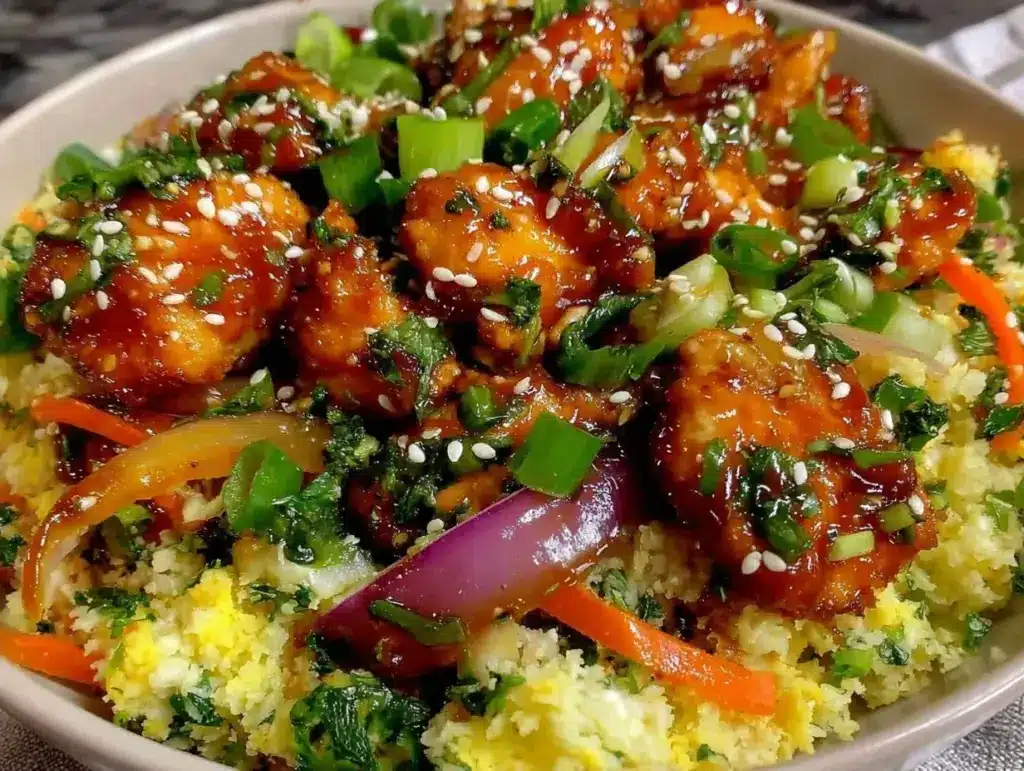
It was 6:30 PM on a Tuesday, and I was standing in my kitchen feeling that specific kind of desperate hunger that only happens when you’ve been busy all day but haven’t actually eaten. The fridge was open. The pantry was open. What I found was a sad container of leftover quinoa, a wilting bunch of cilantro, and half a head of cauliflower that was starting to look a little too much like a fuzzy bowling ball.
I was craving Chinese takeout. You know the feeling. That heavy, salty, comforting pull toward the menu item with the most fried stuff on it. But here’s the thing: I’ve spent the last three years trying to ditch the white rice and the heavy sauces that leave me feeling sluggish by 8 PM. I wanted that flavor profile—the savory soy, the bright ginger, the nutty sesame—but I didn’t want the carb coma.
So I did what any self-respecting ingredient-led cook does: I looked at what was in season and what was in my fridge, and I improvised.
That Tuesday night became the birthplace of my go-to low-carb cauliflower fried rice with sesame ginger chicken. I wasn’t trying to reinvent the wheel; I just wanted a weeknight dinner that felt indulgent but actually fueled me. What I ended up with was a dish that smelled like my favorite local takeout spot but left me energized instead of asleep on the couch.
I’ve made this low-carb cauliflower fried rice with sesame ginger chicken at least a dozen times since then. Sometimes I use fresh spring peas when they’re bright green and sweet. Sometimes I swap in edamame when the farmer’s market has them in bulk. But the core idea remains the same: fresh, crisp vegetables, tender chicken, and a sauce that’s all about that umami punch without the sugar crash. It’s become my secret weapon for busy weeknights when I need dinner on the table in 20 minutes flat.
Why You’ll Love This Low-Carb Cauliflower Fried Rice
Let’s be real for a second. Giving up rice feels like giving up comfort food. But this dish? It tricks your brain. It has that familiar texture, that satisfying sizzle, and that deep, savory flavor. Here’s why this low-carb cauliflower fried rice with sesame ginger chicken has taken over our weeknight rotation:
It’s Actually Satisfying — I know, I know. “Cauliflower rice” sounds like a dieting punishment. But when you toast it properly in a hot skillet, it gets a nutty, slightly crispy edge that mimics the texture of grain perfectly. Paired with juicy chicken and crisp veggies, it’s genuinely filling. I’ve fed this to my husband, who is a certified carb-aholic, and he didn’t even realize he was eating “diet food” until I told him.
Uses What’s Fresh Right Now — This recipe is a blank canvas for seasonal produce. In the spring, I load it with fresh peas and snap peas. In the fall, I add diced butternut squash or roasted Brussels sprouts. It’s a great way to use up those veggies that are starting to wilt in your crisper drawer. It celebrates what’s in season rather than relying on frozen bags from the back of the freezer.
Ready in 20 Minutes — This is not a “set it and forget it” slow cooker meal. It’s a high-heat, fast-cook skillet meal. From chopping to plating, it takes about 20 minutes. I’ve made this on nights when I walked in the door at 7 PM and needed dinner on the table by 7:30. It’s quick, but it doesn’t feel rushed.
Flavor Bomb, Not Flavor Void — A lot of low-carb dishes taste bland because they’re stripped of salt and sugar. Not this one. The ginger and sesame create a fragrant, aromatic base that’s impossible to ignore. The soy sauce (or tamari) adds that essential saltiness. It tastes like restaurant quality, not like you’re eating your vegetables.
Budget-Friendly and Flexible — Cauliflower is one of the most affordable vegetables at the market. Chicken thighs are often cheaper than breasts and stay juicier. If you’re short on cash, swap the chicken for tofu or just double the veggies. It’s a recipe that stretches your dollar without stretching your patience.
This is my answer to “what’s for dinner” when I want something hot, flavorful, and healthy. It’s the kind of meal that makes you feel good about what you’re eating, even when you’re tired and just want to order pizza.
Ingredients You’ll Need
Here’s the best part: you probably have most of the pantry staples already. The magic here is in the fresh produce and the balance of sauces. I shop the farmers market for the veggies, but the rest is standard grocery store fare.
For the Chicken and Marinade
Chicken thighs (1.5 lbs / 680g) — Boneless, skinless. I prefer thighs because they stay juicy even if you overcook them slightly. Breast meat can get dry in a high-heat stir-fry. If you use breast, cut it into smaller pieces and watch the heat closely.
Low-sodium soy sauce (3 tablespoons) — Or tamari for a gluten-free option. I use low-sodium because I control the salt elsewhere. Regular soy sauce can make the whole dish too salty.
Toasted sesame oil (1 tablespoon) — This is non-negotiable. It’s the heart of the flavor. Make sure it says “toasted” on the bottle. It has a distinct, nutty aroma that regular sesame oil doesn’t have.
Fresh ginger (1 tablespoon, grated) — Buy a knob of ginger, not the jarred stuff. Jarred ginger tastes metallic and dull. Fresh ginger is spicy, bright, and essential for that authentic fried rice taste. Peel it and grate it on a microplane.
Garlic (3 cloves, minced) — Fresh garlic only. Mince it fine so it cooks quickly and doesn’t burn.
Arrowroot powder or cornstarch (1 teaspoon) — This helps the chicken get a little crust in the pan and helps the sauce cling to the veggies later.
For the Fried Rice Base
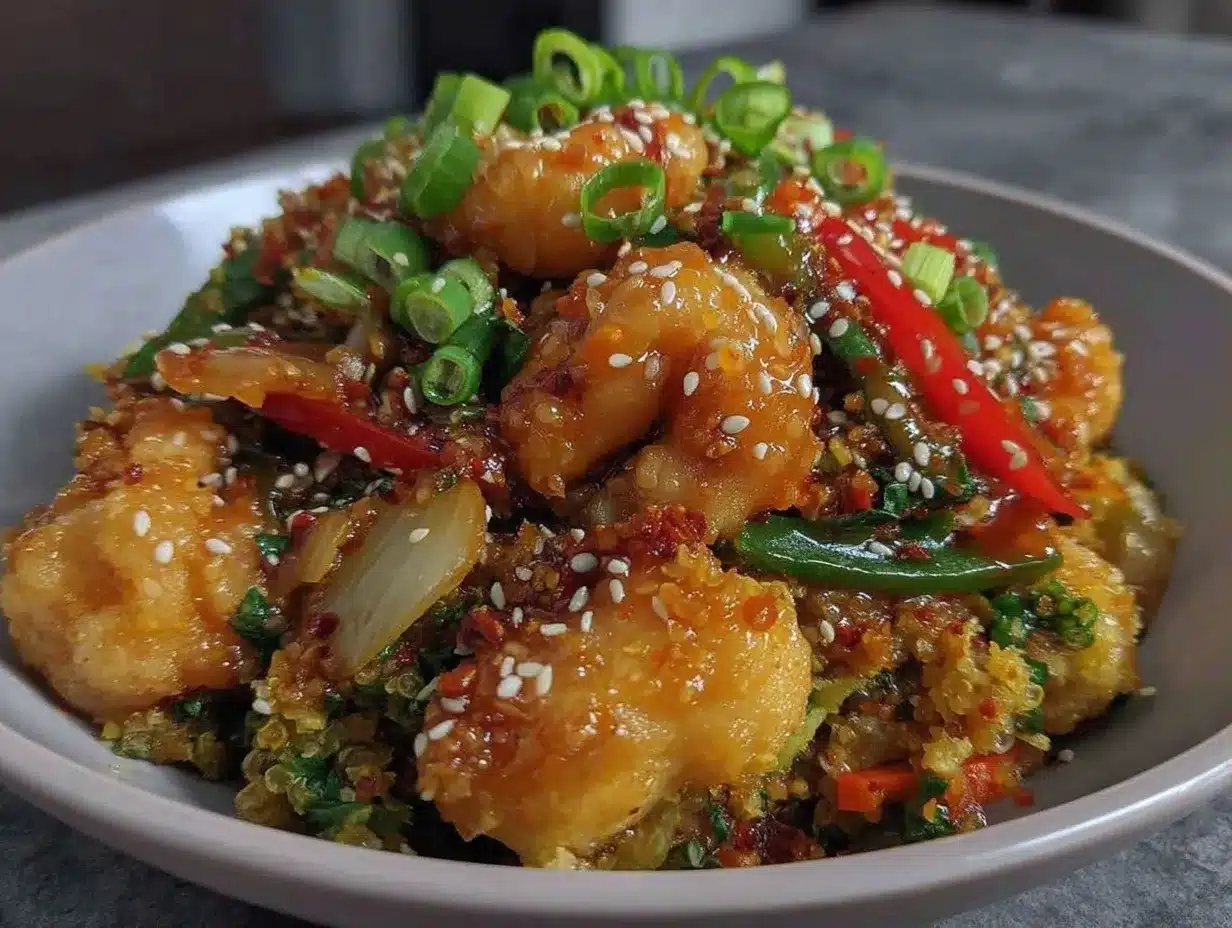
Cauliflower (1 large head or 2 cups pre-riced) — If you buy a whole head, pulse it in a food processor until it looks like rice. Don’t puree it! If you buy pre-riced, check the texture. Some brands are too wet. Pat it dry with a towel if it feels damp.
Green onions (4 stalks, chopped) — Separate the white parts (cook them first) from the green parts (save for garnish). They add a mild onion flavor that’s perfect for this dish.
Carrots (1 medium, finely diced) — Dice them small so they cook quickly and match the size of the cauliflower rice. If you’re in a rush, use frozen peas and carrots, but fresh tastes so much better when they’re in season.
Peas (1 cup, fresh or frozen) — Fresh peas are sweet and pop in your mouth. Frozen work fine in a pinch. I love adding them for color and sweetness.
Eggs (2 large) — Scrambled and broken into small curds. They add protein and richness. If you’re vegan, skip them or use scrambled tofu.
For the Sauce
Rice vinegar (1 tablespoon) — Adds acidity to balance the savory soy. Apple cider vinegar works in a pinch, but rice vinegar is milder and more authentic.
Coconut aminos (1 tablespoon) — Optional, but I use it to boost umami without extra sodium. It’s slightly sweeter than soy sauce.
Red pepper flakes (½ teaspoon) — Optional, for a little heat. I like a kick, but you can skip it if you’re sensitive to spice.
White sesame seeds (1 tablespoon) — For garnish. Toast them in a dry pan for a minute before sprinkling on top. It adds a gorgeous crunch and aroma.
Equipment Needed
You don’t need fancy gear for this. Just the basics you probably already have.
Large skillet or wok — I use a 12-inch cast iron skillet. It holds heat well, which is crucial for getting that “wok hei” (breath of the wok) flavor. A non-stick wok works too, but cast iron gives better browning.
Food processor — For ricing the cauliflower. If you don’t have one, you can grate it by hand with a box grater, but it takes longer and your arm will get tired.
Sharp knife and cutting board — For chopping veggies and chicken. Sharp knives are safer and faster.
Spatula — A silicone or wooden spatula is best for scraping the bottom of the pan.
Measuring spoons — For the sauces. Consistency helps, but you can eyeball it if you’re feeling bold.
How to Make It: Step-by-Step
Alright, let’s make this! I’m walking you through exactly how I do it, including the little tricks I’ve picked up over time.
Step 1: Prep the Cauliflower Rice
If you’re starting with a whole head of cauliflower, cut it into florets and pulse in a food processor until it resembles rice grains. Be careful not to over-process it into mush. Transfer the riced cauliflower to a bowl and pat it dry with paper towels. This step is crucial. If the cauliflower is wet, your fried rice will be soggy. Set it aside.
Step 2: Marinate the Chicken
In a medium bowl, combine the chicken thighs, soy sauce, half the sesame oil, and the arrowroot powder. Toss to coat. Let it sit for 10-15 minutes while you prep the veggies. The cornstarch will help the chicken get a nice sear.
Step 3: Cook the Chicken
Heat a large skillet over medium-high heat. Add a splash of oil. Once the pan is hot, add the chicken in a single layer. Don’t crowd the pan! Cook for 4-5 minutes per side until golden brown and cooked through. Remove the chicken to a plate and set aside. Don’t clean the pan—those brown bits are flavor.
Step 4: Sauté the Veggies
In the same skillet, add a little more oil if needed. Add the diced carrots and the white parts of the green onions. Cook for 2-3 minutes until the carrots start to soften. Add the minced garlic and grated ginger. Cook for 30 seconds until fragrant. Be careful not to burn the garlic.
Step 5: Rice the Cauliflower
Add the riced cauliflower to the skillet. Stir it around, mixing it with the veggies. Cook for 5-7 minutes, stirring frequently. You want the cauliflower to lose its raw smell and start to get slightly crispy edges. This takes a bit of patience. If it’s steaming too much, turn up the heat.
Step 6: Combine and Sauce
Push the cauliflower to the side of the pan. Crack the eggs into the empty space and scramble them. Once the eggs are cooked, mix them into the cauliflower. Add the peas and the cooked chicken back to the pan. Pour the rice vinegar and coconut aminos over everything. Toss to combine.
Step 7: Finish and Serve
Taste and adjust seasoning. Need more salt? Add a dash of soy sauce. Need more acid? Add a splash of vinegar. Serve immediately, topped with the green parts of the green onions and toasted sesame seeds. A squeeze of lime juice is a great final touch if you have it.
Total time: About 20 minutes. Active time: 15 minutes.
Expert Tips & Tricks
Here’s everything I’ve learned from making this dozens of times. These tips will save you from my mistakes.
Pat the Cauliflower Dry
This is the #1 mistake people make. Wet cauliflower = soggy fried rice. After ricing it, spread it on a towel and press down to absorb moisture. If you’re in a rush, you can sauté it alone first to drive off the water, then set it aside and come back to it.
High Heat is Key
Don’t be afraid of the heat. You want a sizzle. If the pan isn’t hot enough, the veggies will steam instead of fry. Get that skillet smoking slightly before you add the oil.
Don’t Overcrowd the Pan
If you’re cooking for a crowd, do this in batches. Crowding the pan lowers the temperature and leads to mushy results. Better to cook two smaller batches than one giant, steamed mess.
Toast Your Sesame Seeds
Raw sesame seeds are bland. Toast them in a dry pan for 1-2 minutes until they’re golden and fragrant. Sprinkle them on top at the end. It’s a small step that makes a huge difference in aroma and texture.
Use Cold Chicken
If you’re meal prepping, cook the chicken the day before and chill it. Cold chicken sears better than warm chicken. It’s a chef’s trick that works every time.
Variations & Substitutions
Once you’ve nailed the basic version, here’s how you can mix it up. I’ve tried all of these.
Shrimp Version
Swap the chicken for 1 lb of shrimp. Shrimp cooks much faster, so add it in the last 2-3 minutes. It pairs beautifully with the ginger and sesame.
Veggie-Loaded
Add diced bell peppers, snap peas, or bok choy. I love adding bok choy for its crunch and slight bitterness. Chop it roughly and add it with the peas.
Spicy Kick
Add a tablespoon of chili garlic sauce or sriracha to the sauce mixture. It adds heat and depth. Perfect for those who like their food fiery.
Gluten-Free
Use tamari instead of soy sauce and coconut aminos instead of regular soy sauce. Everything else is naturally gluten-free.
Dairy-Free
This recipe is naturally dairy-free. Just make sure your soy sauce/tamari doesn’t contain any hidden additives.
Serving & Storage
How to Serve
I usually serve this straight from the skillet. It looks rustic and stays warm. Pair it with a simple cucumber salad or some crispy sesame chicken lettuce wraps if you want extra protein. It’s also great alongside sparkling blackberry ginger mocktail for a refreshing summer dinner.
Storage
Store leftovers in an airtight container in the fridge for up to 4 days. The cauliflower will soften slightly, but it’s still delicious.
Reheating
Reheat in a skillet over medium heat with a splash of water to steam it back to life. Microwave works too, but it can get mushy. Add a dash of soy sauce after reheating to refresh the flavor.
Freezing
I don’t recommend freezing this. The cauliflower texture changes significantly when frozen and thawed. It’s best eaten fresh.
Nutrition Information
I’m not a nutritionist, but here’s the breakdown if you’re tracking.
Per Serving (based on 4 servings):
- Calories: 280
- Protein: 22g
- Carbs: 12g (4g fiber, 8g net carbs)
- Fat: 18g
- Sodium: 600mg
This dish is high in protein and healthy fats, with low net carbs. It’s a balanced meal that keeps you full and satisfied. Add extra veggies to boost fiber and nutrients.
Final Thoughts
So that’s my low-carb cauliflower fried rice with sesame ginger chicken! It’s become my go-to weeknight dinner because it’s fast, flavorful, and doesn’t leave me feeling sluggish. I love that I can use whatever veggies are in season, making it a recipe that changes with the calendar.
Make it yours! Try different veggies, swap the protein, or adjust the spice level. The best recipes are the ones you adapt to your family’s tastes. If you make this, drop a comment and let me know what you think! I love hearing how recipes turn out in your kitchen.
Happy cooking! And I hope your kitchen smells half as good as mine does right now.
Frequently Asked Questions
Can I use frozen cauliflower rice?
Yes, but you need to thaw it and squeeze out as much water as possible. Frozen cauliflower rice is very wet, and if you don’t remove the moisture, your fried rice will be soggy. I prefer fresh because the texture is better, but frozen works in a pinch.
Why is my cauliflower rice mushy?
It’s usually because the cauliflower was too wet or the heat was too low. Make sure you pat it dry before cooking, and cook it over medium-high heat to evaporate the moisture. Don’t cover the pan while cooking the cauliflower.
Can I meal prep this?
Yes, but it’s best eaten within 3-4 days. The cauliflower will soften over time, so it’s not ideal for long-term meal prep. I usually make it fresh for the week and eat it within a few days.
What can I substitute for soy sauce?
Use tamari for a gluten-free option, or coconut aminos for a lower-sodium, slightly sweeter alternative. Fish sauce is another option if you want a stronger umami flavor, but use it sparingly.
Is this recipe keto-friendly?
Yes, this recipe is low-carb and keto-friendly. Just make sure to use low-sodium soy sauce or tamari and check the nutrition labels for any hidden sugars in your sauces.
Pin This Recipe!
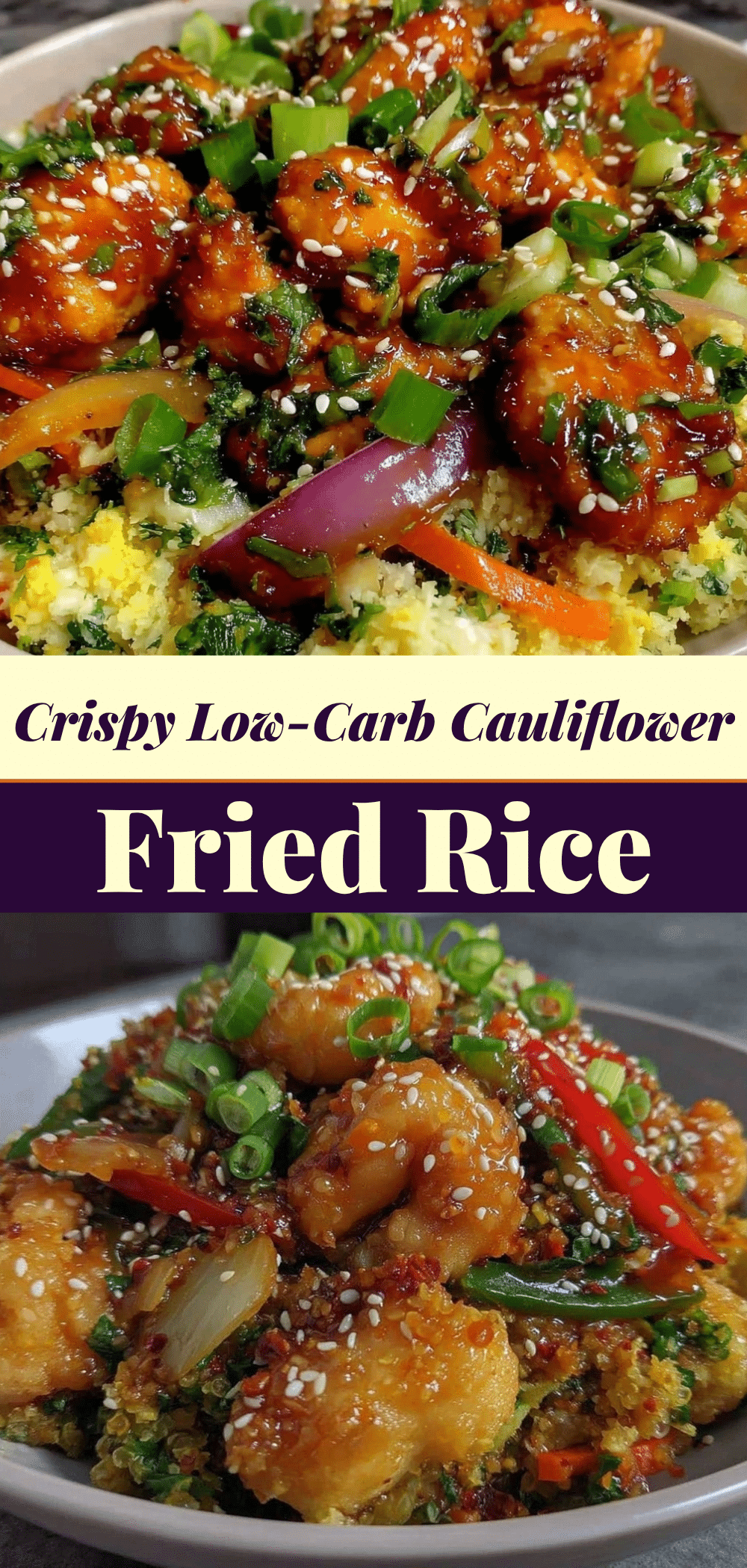
Low-Carb Cauliflower Fried Rice with Sesame Ginger Chicken
- Total Time: 20 minutes
- Yield: 4 servings 1x
Description
A quick, flavorful weeknight dinner featuring tender chicken and crisp vegetables tossed with toasted cauliflower rice in a savory sesame ginger sauce. This low-carb dish is ready in 20 minutes and provides a satisfying alternative to traditional fried rice.
Ingredients
- 1.5 lbs boneless, skinless chicken thighs
- 3 tablespoons low-sodium soy sauce (or tamari)
- 1 tablespoon toasted sesame oil (divided)
- 1 tablespoon fresh ginger, grated
- 3 cloves garlic, minced
- 1 teaspoon arrowroot powder or cornstarch
- 1 large head cauliflower (or 2 cups pre-riced)
- 4 stalks green onions, chopped (white and green parts separated)
- 1 medium carrot, finely diced
- 1 cup peas (fresh or frozen)
- 2 large eggs
- 1 tablespoon rice vinegar
- 1 tablespoon coconut aminos
- 1/2 teaspoon red pepper flakes (optional)
- 1 tablespoon white sesame seeds (for garnish)
Instructions
- Prep the cauliflower: Pulse florets in a food processor until rice-sized. Pat dry thoroughly with paper towels to remove moisture.
- Marinate the chicken: In a bowl, combine chicken thighs, soy sauce, 1/2 tablespoon sesame oil, and arrowroot powder. Let sit for 10-15 minutes.
- Cook the chicken: Heat a large skillet over medium-high heat with a splash of oil. Cook chicken in a single layer for 4-5 minutes per side until golden and cooked through. Remove to a plate.
- Sauté veggies: In the same skillet, add oil if needed. Cook diced carrots and white parts of green onions for 2-3 minutes. Add garlic and ginger, cooking for 30 seconds until fragrant.
- Cook cauliflower: Add riced cauliflower to the skillet. Stir frequently for 5-7 minutes until slightly crispy and raw smell is gone.
- Combine: Push cauliflower to the side. Scramble eggs in the empty space. Mix eggs into cauliflower, then add peas and cooked chicken back to the pan.
- Finish: Pour in rice vinegar and coconut aminos. Toss to combine. Taste and adjust seasoning. Serve topped with green onion greens and toasted sesame seeds.
Notes
Pat the cauliflower dry thoroughly to prevent soggy rice. Use high heat to ensure proper browning and texture. If using frozen cauliflower rice, thaw and squeeze out excess water. Toast sesame seeds in a dry pan before garnishing for better flavor.
- Prep Time: 15 minutes
- Cook Time: 5 minutes
- Category: Main Course
- Cuisine: Asian
Nutrition
- Serving Size: 1 plate (approx. 1/4
- Calories: 280
- Sugar: 4
- Sodium: 600
- Fat: 18
- Saturated Fat: 4
- Carbohydrates: 12
- Fiber: 4
- Protein: 22
Keywords: low-carb, cauliflower fried rice, sesame ginger chicken, keto dinner, quick weeknight meals, gluten-free, healthy Chinese food


