It was a Tuesday in November, the kind where the rain starts at 5 PM and doesn’t stop until the next morning. I was standing in my kitchen, staring at a takeout menu for the third time that week, feeling that specific kind of exhaustion that only comes from a long day at work. My husband was already at the table, scrolling through his phone, and I knew what was coming next. “What’s for dinner?” he asked, with that hopeful-but-skeptical tone he saves exclusively for weeknights.
I looked at the clock. 5:45 PM. I had no energy to chop, no patience to stir-fry over a hot stove, and definitely no desire to order food that would arrive cold and cost $35. So, I did something I’d been meaning to try for months. I dumped everything into the slow cooker. Soy sauce, brown sugar, garlic, ginger, and a chuck roast that had been thawing on the counter since lunch.
When I walked into the living room ten minutes later to tell him it was “easy,” he didn’t believe me. He thought I was going to serve him boiled beef. But when I pulled the lid off the slow cooker an hour later, the smell of caramelized, savory-sweet beef filled the entire house. It smelled like Seoul. It smelled like comfort. It smelled like I wasn’t a failure of a homemaker.
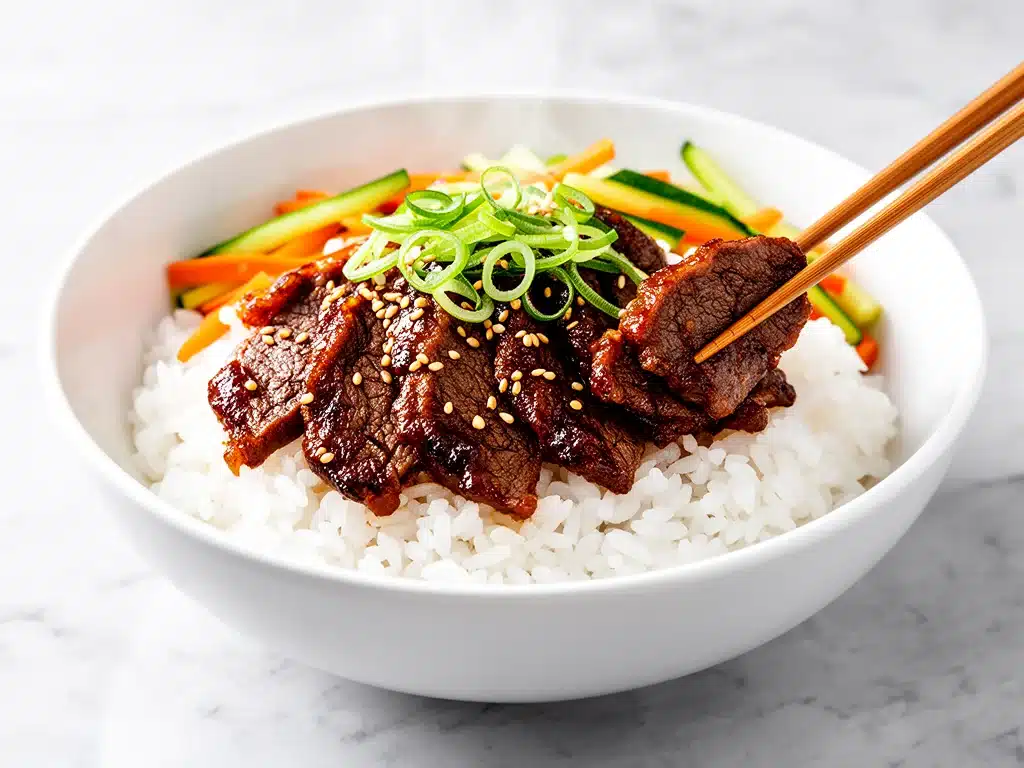
That night, we ate these slow cooker Korean beef bulgogi bowls with our hands, scooping up the juices with rice. We didn’t even use forks. It was that good. Since then, I’ve made this recipe at least forty times. Forty. And every single time, it feels like magic. It’s become the anchor of our weeknight routine, right up there with cheesy taco pasta for when we need something even faster.
If you’re tired of the same old chicken and rice rotation, or if you’re looking for a way to get that restaurant-quality flavor without the restaurant price tag, this is your sign. This isn’t just a recipe; it’s a lifesaver. And trust me, once you taste how tender this beef gets, you’ll be making slow cooker Korean beef bulgogi bowls on repeat, too.
Why You’ll Love This Recipe
There are a lot of beef recipes out there. But this one? It’s different. It’s the kind of dish that makes people ask for the recipe before they’ve even finished their first bite. Here’s why this has earned a permanent spot in my rotation.
Stupid Simple Setup — Seriously, if you can dump ingredients into a pot, you can make this. I literally just chop the garlic and ginger, mix the sauce, and toss it all in. No marinating overnight required. No searing the meat first. No standing over the stove stirring. I’ve made this on days when I came home so tired I could barely stand, and it still turned out perfect.
Tender, Melty Beef — The secret here isn’t just the slow cooker; it’s the cut of meat and the sugar. Using chuck roast means you get that rich beefy flavor, but the long, slow cook time breaks down the connective tissue until the beef is fork-tender. It practically falls apart. It’s not chewy or tough. It’s melt-in-your-mouth delicious.
Sweet, Savory, Sticky — The sauce hits every note. You’ve got the salty punch of soy sauce, the deep warmth of ginger, the aromatic bite of garlic, and the caramelization from the brown sugar. It’s sticky enough to cling to every grain of rice but not so thick that it’s gloopy. It’s the perfect balance. I’ve tried adding sesame oil to mine, and while it’s good, the core flavor profile is so strong on its own that I rarely feel the need to tweak it.
Meal Prep Gold — This is huge for me. I make a double batch every Sunday. The beef tastes even better the next day because it has time to absorb more of the sauce. I portion it out with rice and veggies, and suddenly I have four days of lunches sorted. It reheats beautifully in the microwave, and the sauce actually thickens up nicely as it cools, making it perfect for bowls.
Budget-Friendly — Chuck roast is one of the most affordable cuts of beef you can buy. You’re feeding four to six people for under $20, depending on where you shop. Compare that to $18 for a platter of bulgogi at a Korean restaurant, and this wins every single time. Plus, you control the sodium and sugar levels, which is a nice bonus.
This is my go-to when I need dinner to just work. No complicated techniques, no weird ingredients you have to hunt for, just reliable, delicious food that makes everyone happy. It’s the kind of meal that feels like a treat but costs like a necessity.
Ingredients You’ll Need
Here’s the best part: you probably have most of this already. I’m not talking about obscure spices from a specialty store. This is pantry-friendly cooking. I’m particular about three ingredients here, and I’ll tell you exactly why.
Beef Chuck Roast (3-4 pounds / 1.5kg) — This is non-negotiable. Do not use sirloin or flank steak unless you want dry, chewy beef. Chuck has the right amount of fat and connective tissue to survive the long cook time and come out tender. Look for a roast that’s well-marbled. I usually buy one big roast and slice it into 1-inch cubes myself, but if your butcher will do it, even better. Trim off any huge chunks of hard fat, but leave the marbling.
Soy Sauce (1 cup / 240ml) — Use a good quality soy sauce. Kikkoman is my go-to, but any standard brand works. If you want to reduce sodium, use low-sodium soy sauce, but you’ll need to add a pinch more salt or a splash of fish sauce to keep the flavor depth. Regular soy sauce is salty enough on its own.
Brown Sugar (½ cup / 100g) — This is what gives the bulgogi its signature sticky, caramelized finish. Dark brown sugar is better than light because it has more molasses, which adds a deeper, richer flavor. Don’t skip this or substitute with white sugar; the molasses is key to the color and taste.
Ginger (1 tablespoon / 15g, freshly grated) — Fresh ginger is a must. I’ve tried pre-minced ginger from a jar, and it just tastes metallic and flat. Buy a knob of fresh ginger, peel it with a spoon, and grate it. It takes two minutes and makes a world of difference. If you’re in a pinch, 1 teaspoon of ground ginger works, but fresh is superior.
Garlic (6 cloves / about 2 tablespoons, minced) — Yes, six cloves. Bulogogi is a garlic-forward dish. Don’t be shy. Fresh garlic only. No jarred. The slow cooker will mellow the raw bite, leaving behind a sweet, aromatic warmth.
Black Pepper (1 teaspoon / 5g) — Freshly cracked black pepper adds a nice heat and earthiness. Pre-ground pepper loses its potency quickly, so grind your own if you can.
Sesame Seeds (1 tablespoon / 10g) — Toasted sesame seeds are for garnish. They add a nutty crunch and visual appeal. You can buy them pre-toasted, or toast them yourself in a dry pan for 2 minutes. It’s worth the extra effort.
Sesame Oil (1 teaspoon / 5ml) — This is optional but highly recommended. A splash at the end adds that distinct nutty aroma that defines Korean cuisine. Don’t use too much, or it’ll overpower the beef. Just a little goes a long way.
For Serving:
- Steamed White Rice — Jasmine or short-grain sushi rice. You need something sticky to soak up the sauce.
- Sliced Green Onions — For color and a fresh, sharp bite.
- Sesame Oil — A drizzle for finishing.
- Optional Veggies — Steamed broccoli, blanched spinach, or shredded carrots. I love adding blistered shishito peppers on the side for a spicy crunch that contrasts with the sweet beef.
Equipment Needed
You don’t need fancy equipment for this. Here’s what I actually use.
Slow Cooker — I use a 6-quart model. If you’re using a 4-quart, you might need to cook in two batches or use a smaller roast. The size matters because you want the beef to be in a single layer as much as possible for even cooking.
Sharp Knife — For trimming and cubing the beef. A dull knife will tear the meat and make it hard to get even cubes. I keep a good chef’s knife on my counter for this.
Grater — For the ginger. A microplane is best because it turns the ginger into a fine paste that distributes evenly. A box grater works too, but it takes more effort.
Mixing Bowl — For mixing the sauce. Any medium-sized bowl works.
Spoons — For stirring. A wooden spoon or silicone spatula is fine.
Rice Cooker or Pot — For cooking the rice. If you don’t have a rice cooker, a simple pot with a tight-fitting lid works. Just remember the 1:2 ratio for water to rice.
Optional but nice:
- Garlic Press — Saves time on mincing, but fresh minced garlic tastes better.
- Measuring Spoons — Standard stuff.
How to Make It: Step-by-Step
Alright, let’s make this! I’m walking you through exactly how I do it, including the little tricks I’ve picked up. This is so simple, you might wonder why you ever stressed over dinner.
Step 1: Prep the Beef (5 minutes)
Take your chuck roast and trim off any large pieces of hard fat. Then, cut the beef into 1-inch cubes. Try to keep them roughly the same size so they cook evenly. If you’re in a hurry, you can skip trimming, but you’ll have to pick out the hard fat pieces later, which is annoying. Just do it now.
Step 2: Make the Sauce (3 minutes)
In a medium bowl, whisk together the soy sauce, brown sugar, minced garlic, grated ginger, and black pepper. Stir until the brown sugar is mostly dissolved. You don’t need to get every single grain, but you want it mostly mixed. If you’re using sesame oil, add it now. Give it a good stir.
Step 3: Combine in Slow Cooker (2 minutes)
Place the cubed beef into the slow cooker. Pour the sauce over the beef. Use a spoon to toss the beef around, making sure every piece is coated. It doesn’t need to be perfect, but try to get it all covered. The beef will release some liquid as it cooks, so you’ll have plenty of sauce.
Step 4: Cook (6-8 hours on Low or 3-4 hours on High)
Put the lid on and cook on Low for 6-8 hours. This is the best method for tender beef. If you’re in a rush, cook on High for 3-4 hours, but the texture won’t be quite as melt-in-your-mouth. I usually set it in the morning and forget about it. When you come home, the house smells amazing.
Step 5: Check and Adjust
After 6 hours on Low, check the beef. It should be tender enough to cut with a fork. If it’s still tough, cook for another 30 minutes. If it’s falling apart, you’re good. Taste the sauce. If it’s too salty, add a splash of water or a teaspoon of honey to balance it. If it’s too thin, you can thicken it later.
Step 6: Thicken the Sauce (Optional)
If you like a thicker, stickier sauce, mix 1 tablespoon of cornstarch with 1 tablespoon of cold water to make a slurry. Stir this into the slow cooker on the last 30 minutes of cooking. Turn the heat to High and let it simmer until the sauce thickens. This step is optional but gives it that restaurant-style glaze.
Step 7: Serve
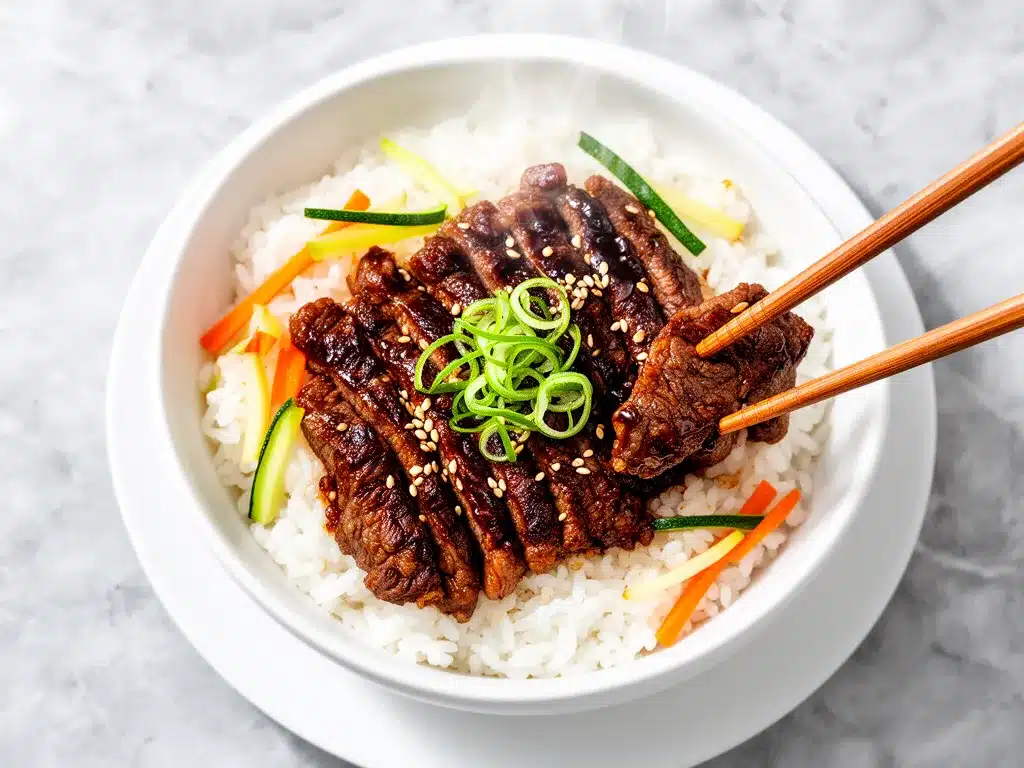
Spoon the beef and sauce over steamed rice. Garnish with sliced green onions and toasted sesame seeds. Drizzle with a little extra sesame oil if you like. Serve immediately while hot.
Total Time: About 30 minutes active (plus 6-8 hours cooking).
Expert Tips & Tricks
Here’s everything I’ve learned from making this dozens of times. These tips will save you from my mistakes.
Don’t Skip the Sugar
The brown sugar isn’t just for sweetness; it helps caramelize the beef and creates that sticky glaze. If you reduce it too much, the beef will taste salty and lack depth. Keep it at ½ cup.
Fresh Ginger is Non-Negotiable
I’ve tried dried ginger, and it just doesn’t work. It tastes dusty and earthy in a bad way. Fresh ginger adds a bright, zesty kick that cuts through the richness of the beef. Grate it finely so it disperses evenly.
Use the Right Cut
Chuck roast is key. Lean cuts like sirloin will dry out in the slow cooker. You want fat. If you can’t find chuck, pork shoulder works too, but the flavor will be different.
Toast Your Sesame Seeds
Raw sesame seeds are bland. Toasting them in a dry pan for 2-3 minutes brings out their nutty flavor and adds a nice crunch. It’s a small step that makes a big difference.
Make It Ahead
You can prep the beef and sauce in the morning, store them in the fridge, and dump them in the slow cooker when you’re ready. This is great for busy mornings.
Common Mistakes (and how to avoid them):
- Mistake: Beef is tough Fix: Cook longer. Chuck roast needs time. If it’s still tough after 6 hours, cook for another hour.
- Mistake: Sauce is too thin Fix: Use the cornstarch slurry on the last 30 minutes. Or just serve it with more rice to soak it up.
- Mistake: Beef is dry Fix: You used the wrong cut. Switch to chuck roast next time.
Variations & Substitutions
Once you’ve nailed the basic version, here’s how you can mix it up. I’ve tried all of these.
Spicy Bulgogi
Add 1-2 tablespoons of gochujang (Korean chili paste) to the sauce. This adds a deep, fermented heat that’s incredibly flavorful. Start with 1 tablespoon and adjust to your liking.
Pineapple Bulgogi
Add ½ cup of crushed pineapple to the slow cooker. The enzymes in pineapple tenderize the beef, and the sweetness pairs perfectly with the savory sauce. This is a Hawaiian-Korean fusion twist that’s surprisingly good.
Vegetarian Option
Use firm tofu or seitan instead of beef. Press the tofu, cube it, and cook for 3-4 hours on High. It won’t have the same texture as beef, but it absorbs the sauce beautifully.
Gluten-Free
Use tamari instead of soy sauce. Everything else is naturally gluten-free. Just check your brown sugar to make sure it’s processed without bone char if you’re strict.
Dietary Modifications:
- Lower Sodium Use low-sodium soy sauce and add a pinch of salt to taste.
- Lower Sugar Reduce brown sugar to ¼ cup and add a splash of apple juice for sweetness.
Serving & Storage
How to Serve:
I usually serve this straight from the slow cooker into bowls. It’s rustic and stays warm. But here are other ways I’ve enjoyed it:
- Rice Bowls Steamed white rice is classic. Brown rice works too, but it’s chewier.
- Lettuce Wraps Spoon the beef into butter lettuce cups for a low-carb option. Add sliced radish and cucumber for crunch.
- Noodles Serve over soba noodles or udon for a hearty meal.
Toppings Bar:
When I have guests, I put out: sliced green onions, sesame seeds, chili flakes, shredded carrots, and pickled daikon. Everyone customizes their bowl.
Storage Instructions:
Refrigerator: Store in an airtight container for up to 4 days. The beef stays tender, and the sauce thickens as it cools.
Reheating: Best method: Add to a skillet with a splash of water or broth over low heat. Stir until heated through. Microwave method: Heat in 1-minute intervals, stirring between. Add a splash of water if it’s too thick.
Freezing: Yes, this freezes well. Freeze in portions for up to 3 months. Thaw in the fridge overnight before reheating.
Nutrition Information
I’m not a nutritionist, but here’s the breakdown if you’re tracking.
Per Serving (based on 6 servings, without rice):
- Calories: 320
- Protein: 28g
- Carbs: 12g
- Fiber: 0g
- Sugar: 10g
- Fat: 18g
- Sodium: 900mg
What’s Good: High protein, low carb (if you skip rice). What to Know: Higher in sodium due to soy sauce. Use low-sodium soy sauce to reduce. This is comfort food, so enjoy it in moderation.
Final Thoughts
So that’s my go-to slow cooker Korean beef bulgogi bowls! I’ve probably talked your ear off at this point, but when you make a recipe this often, you have a lot to say about it.
This has saved weeknight dinners more times than I can count. It’s my answer to “what’s for dinner” when I’m tired, don’t want takeout, and still want something that tastes really good. My kids are happy, my husband’s happy, and I’m happy because I’m not stressed about cooking.
Make it yours! Try different add-ins, swap in your favorite vegetables, adjust the spice level. The best recipes are the ones you adapt to your family’s tastes.
If you make this, drop a comment and let me know what you think! I love hearing how recipes turn out in your kitchen. And if something doesn’t work, tell me that too—I’m here to help troubleshoot.
Happy cooking! And I hope your kitchen smells half as good as mine does right now.
Frequently Asked Questions
Q: Can I use flank steak instead of chuck roast?
A: You can, but the texture will be different. Flank steak is leaner and can become tough if overcooked. If you use flank steak, cook on High for only 3-4 hours, and shred it quickly. Chuck roast is better for the slow cooker because it stays tender longer.
Q: My sauce is too thin—what do I do?
A: Use a cornstarch slurry. Mix 1 tablespoon of cornstarch with 1 tablespoon of cold water, stir it into the slow cooker, and cook on High for 15-20 minutes until thickened. This is the easiest way to fix it.
Q: Can I make this ahead for a dinner party?
A: Yes! Prep the beef and sauce in the morning, store in the fridge, and dump in the slow cooker when you’re ready. Or, cook it the night before and reheat it gently. The flavors actually improve overnight.
Q: Why did my beef turn out dry?
A: You probably used a lean cut of beef or cooked it for too long on High. Always use chuck roast and cook on Low for 6-8 hours. If you must use High, check it at 3 hours to avoid overcooking.
Q: Can I freeze the leftovers?
A: Yes, this freezes well for up to 3 months. Store in airtight containers or freezer bags. Thaw in the fridge before reheating.
Q: Is this spicy?
A: No, the base recipe is not spicy. It’s savory and sweet. If you want heat, add gochujang or red pepper flakes to the sauce.
Q: Can I use a pressure cooker instead?
A: Yes! Cook on High Pressure for 20 minutes, then do a quick release. It will be tender and ready in about 40 minutes total.
Pin This Recipe!
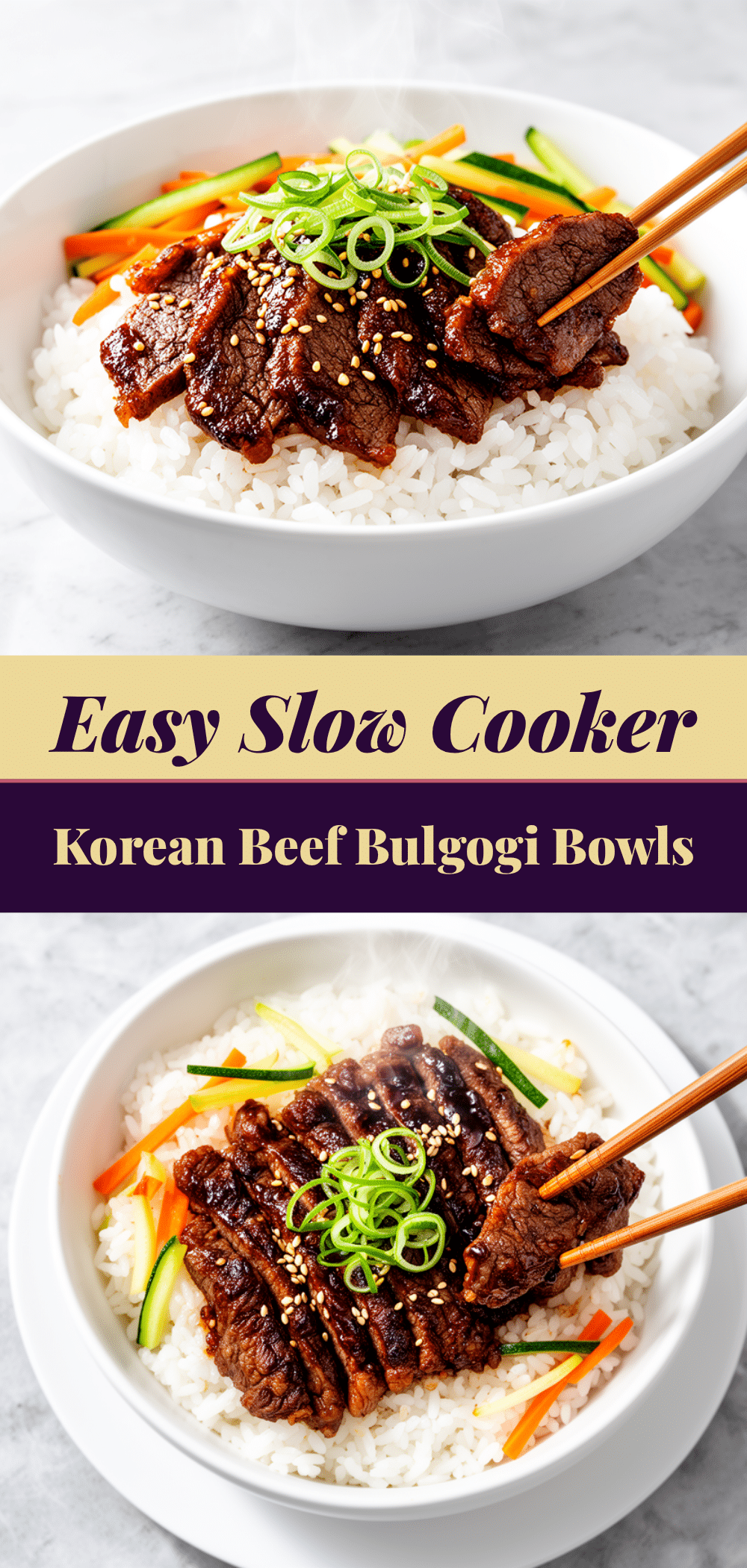
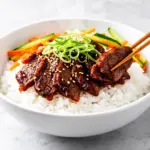
Slow Cooker Korean Beef Bulgogi Bowls
- Total Time: 6 hours 10 minutes
- Yield: 6 servings 1x
Description
A tender, sweet, and savory slow cooker beef bulgogi made with chuck roast, soy sauce, and brown sugar. This easy 5-ingredient meal is perfect for weeknights and meal prep.
Ingredients
- 3–4 pounds beef chuck roast, trimmed and cut into 1-inch cubes
- 1 cup soy sauce
- ½ cup brown sugar
- 1 tablespoon fresh ginger, grated
- 6 cloves garlic, minced
- 1 teaspoon black pepper
- 1 teaspoon sesame oil (optional)
- 1 tablespoon toasted sesame seeds (for garnish)
- Steamed white rice (for serving)
- Sliced green onions (for garnish)
Instructions
- Trim hard fat from the chuck roast and cut the beef into 1-inch cubes.
- In a medium bowl, whisk together soy sauce, brown sugar, minced garlic, grated ginger, black pepper, and sesame oil (if using) until the sugar is mostly dissolved.
- Place the cubed beef into the slow cooker and pour the sauce over it. Toss to coat the beef evenly.
- Cover and cook on Low for 6-8 hours or on High for 3-4 hours until the beef is fork-tender.
- If a thicker sauce is desired, mix 1 tablespoon cornstarch with 1 tablespoon cold water to create a slurry. Stir into the slow cooker during the last 30 minutes of cooking on High.
- Serve the beef and sauce over steamed white rice, garnished with sliced green onions, toasted sesame seeds, and a drizzle of sesame oil.
Notes
Use chuck roast for tender results; lean cuts like sirloin will become dry. Fresh ginger is preferred over dried. For a spicy version, add gochujang. The recipe can be made ahead by prepping ingredients in the morning and storing in the fridge until ready to cook. Leftovers freeze well for up to 3 months.
- Prep Time: 10 minutes
- Cook Time: 6-8 hours
- Category: Main Course
- Cuisine: Korean
Nutrition
- Serving Size: 1 bowl with rice
- Calories: 320
- Sugar: 10
- Sodium: 900
- Fat: 18
- Saturated Fat: 7
- Carbohydrates: 12
- Protein: 28
Keywords: slow cooker, bulgogi, beef, korean food, easy dinner, meal prep, chuck roast, crockpot