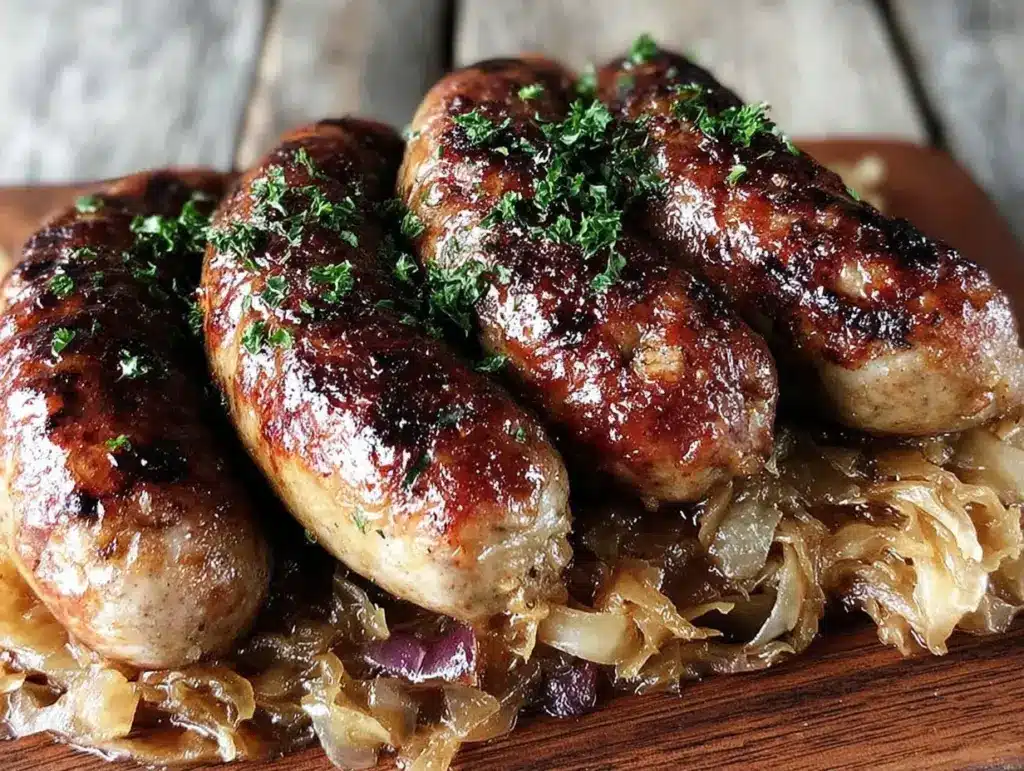
I have a confession to make. For years, I treated beer braised bratwurst like a compromise. You know the kind. You’re hosting a game day party or a casual summer barbecue, you don’t want to spend hours fussing over a complex roast, but you also don’t want to serve dry, rubbery sausages that taste like they were boiled in a sock. So, I’d throw the brats in a pot with some onions and cheap lager, simmer them until they were tender, and then… serve them. Soft. Bland. Sad.
It wasn’t until last October, during a particularly rainy tailgate party, that I decided I was done with soft brats. I wanted that snap. I wanted the skin to crackle under my teeth while the inside stayed juicy and infused with the deep, malty sweetness of the beer. I spent three weekends testing different methods—grilling first then braising, braising then grilling, sous-vide then pan-searing. I even tried boiling them in apple juice because a friend swore by it (spoiler: it didn’t work).
Here’s the thing: the secret isn’t in the braising. The braising is actually the easy part. It’s what happens *after* they come out of the liquid. The one trick that transforms this dish from “sad pot food” to “legendary game day centerpiece” is a high-heat sear that renders the fat and creates a mahogany crust without bursting the casing. And I’m going to show you exactly how to do it.
This beer braised bratwurst recipe is my go-to for any occasion where I need to feed a crowd but still look like I put in effort. It’s forgiving, it smells incredible (seriously, your neighbors will ask what you’re cooking), and the caramelized onion sauerkraut on top is the perfect tangy counterpoint to the rich, savory meat. I’ve made this at least a dozen times, tweaking the beer choice and the onion ratio until it was perfect. Once you try it this way, you’ll never go back to plain boiled brats again.
Why You’ll Love This Recipe
There are about ten reasons I keep making this beer braised bratwurst on repeat, but here are the big ones that sold me on it forever.
It’s a One-Pot Wonder (Mostly) — Seriously, if you can chop an onion and open a beer, you can make this. The braising happens in one deep skillet or Dutch oven. I don’t need a complicated grill setup or a smoker. I just need my stove. This is huge for me because I live in an apartment with a tiny balcony that gets banned from grilling during winter.
The Flavor Profile is Balanced — Brats can be heavy. The fat, the meat, the cheese if you’re doing that. The sauerkraut adds that essential acidity and crunch, while the beer braising liquid adds sweetness and depth. It’s not just “meat and bread.” It’s complex. I’ve served this to my vegetarian sister (she loved the onions and sauerkraut, even if she skipped the sausage), and my meat-loving dad said it was the best brats he’s ever had.
It’s Stupidly Easy to Scale — I made this for 4 people last week, then for 12 last month. The cooking method doesn’t change. You just need a bigger pot. It’s my answer to “what’s for dinner” when I don’t know who’s showing up. I just buy more brats and more onions.
Leftovers Are Actually Good — I know, I know. Leftover sausages sound like a lunchbox nightmare. But here’s the truth: the next day, I slice them up and toss them into the crispy potato and chorizo breakfast skillet. The brats hold up beautifully, adding a smoky, savory element that rivals the chorizo. It’s a total game-changer for Sunday morning.
It Feels Fancy but Isn’t — When I serve this, it looks like something from a German beer hall. Thick slices of caramelized onion, glistening brats, a pool of dark beer gravy. But it costs less than $2 per serving if you buy the brats on sale. That’s less than a side salad at a pub.
This is my go-to when I need dinner to just work. No complicated techniques, no weird ingredients, just reliable, delicious food that makes everyone happy. And once you master that final sear, you’ll feel like a kitchen wizard.
Ingredients You’ll Need
Here’s the best part: you probably have most of this already, except maybe the specific type of bratwurst. Let’s break down what you need and why I’m particular about a few of these.
For the Brats and Braising Liquid
Bratwurst (1.5 to 2 pounds / 700-900g) — I recommend German-style bratwurst, not hot dogs or Italian sausage. Look for natural casings if you can find them—those are the ones that give you that satisfying “snap” when you bite into them. I always buy Hormel or a local butcher brand. Avoid the ones in plastic skins unless you’re in a pinch.
Onions (3 large yellow onions, thinly sliced / about 600g) — Yes, three. You need enough to create a bed for the brats and enough to caramelize into sweetness. Yellow onions are sweet when cooked down. White onions are too sharp; red onions get too mushy. Stick to yellow.
Beer (1 bottle, 12 oz / 355ml) — This is where people get stuck. Don’t use a hoppy IPA. The bitterness will clash with the caramelized onions. Use a pilsner, a lager, or a bock. I love using a German Hefeweizen or a standard American lager like Pilsner Urquell or Budweiser (I’m not judging, I’ve used both). The beer provides the liquid for braising and adds malty notes.
Butter (2 tablespoons / 30g) — For sautéing the onions. Salted butter is fine, but keep an eye on the salt since the sauerkraut can be salty.
Brown Sugar (1 teaspoon) — Optional, but I add this to help the onions caramelize faster and add a deeper color to the braising liquid. It’s a little trick I picked up from a chef friend.
For the Sauerkraut Topping
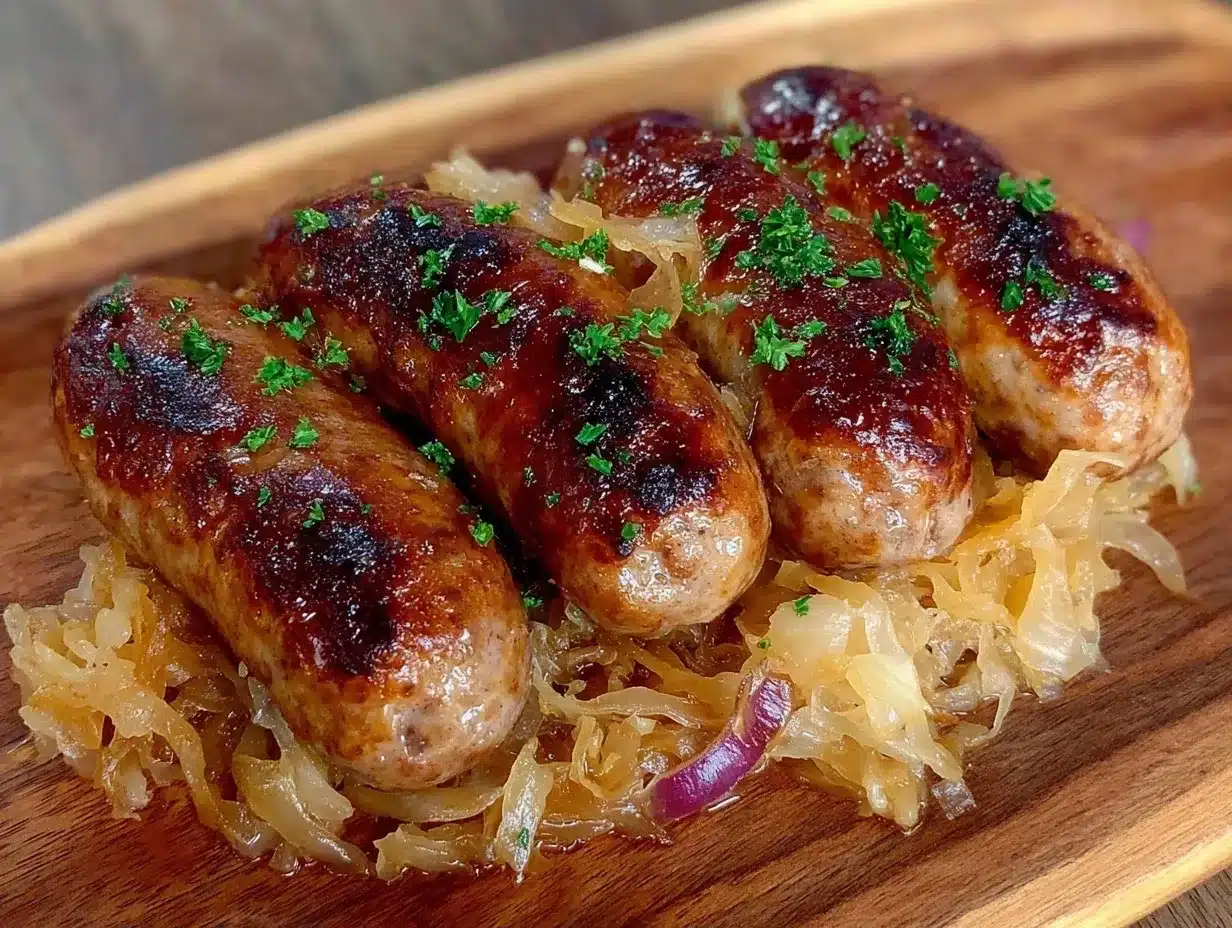
Sauerkraut (16 oz / 450g, jarred or bagged) — I use the plain, unseasoned kind. Avoid the ones with carrots or apples if you can help it, though they work in a pinch. Drain it well! Waterlogged sauerkraut makes the dish soggy.
Jar Juice (2 tablespoons) — The liquid from the sauerkraut jar. This adds that punchy tang. Don’t skip it unless you’re watching sodium closely.
Caraway Seeds (1 teaspoon) — The classic flavor of sauerkraut. If you hate caraway, you can skip it, but it’s authentic and delicious.
Garlic (2 cloves, minced) — Fresh only. Jarred garlic doesn’t have enough punch to stand up to the fermented cabbage.
Apple Cider Vinegar (1 teaspoon) — Just a splash to brighten it up. If you don’t have this, lemon juice works too.
For the Finish
Oil (1 tablespoon, neutral like canola or vegetable) — For the final high-heat sear. Olive oil will burn at the high temps we need.
Salt and Pepper — To taste. Always taste before adding extra salt because the brats and sauerkraut are already seasoned.
Whole Grain Mustard — For serving. Not yellow mustard. We want that chunky, tangy kick to cut through the richness.
Equipment Needed
You don’t need fancy equipment for this. Here’s what I actually use.
Large Skillet or Dutch Oven (12-inch or 6-quart) — I use a heavy-bottomed stainless steel skillet. It distributes heat evenly and allows for a good sear at the end. A Dutch oven works too, but you might not get as much surface area for the brats to brown. I prefer my skillet because I can see exactly what’s happening.
Sharp Chef’s Knife — For slicing the onions thinly and mincing the garlic. Dull knives make you cry more—learned this the hard way with onions. Trust me, sharpen yours.
Wooden Spoon or Spatula — For stirring the onions and brats. Silicone works too, but wood is gentle on the pan.
Tongs — Essential for flipping the brats. I use two pairs—one for handling the raw brats and one for the cooked ones, to avoid cross-contamination. Or just wash the first pair quickly.
Colander — For draining the sauerkraut. Squeeze it dry with your hands if you have to. I know it sounds gross, but it makes a huge difference in the final texture.
Measuring Spoons — Standard stuff. Dollar store versions work fine.
Optional but nice: Instant-Read Thermometer — To check the internal temperature of the brats. They should reach 160°F (71°C). I use this just to be safe, but if you cook them long enough in the beer, they’ll be done.
How to Make It: Step-by-Step
Alright, let’s make this! I’m walking you through exactly how I do it, including the little tricks I’ve picked up. The whole process takes about 45 minutes, but most of that is hands-off.
Step 1: Prep Your Ingredients (5 minutes)
Before you start cooking, slice your onions into thin half-moons. Mince your garlic. Drain the sauerkraut in a colander and press out as much liquid as possible with the back of a spoon or your hands. It should look dry, not wet. Set everything aside. Once you start cooking, things move fast, and you don’t want to be chopping while onions are burning.
Step 2: Sauté the Onions (10-12 minutes)
Heat the butter in your large skillet over medium heat. Add the sliced onions and a pinch of salt. Cook them, stirring occasionally, for about 10-12 minutes. You want them to be soft, translucent, and starting to turn golden brown. If they’re sticking, add a splash of water. Stir in the brown sugar and cook for another minute. The sugar will help them caramelize and turn a deep amber color. Remove the onions from the pan and set them aside on a plate. Don’t wipe out the pan—leave those delicious brown bits (fond) in there.
Step 3: Sear the Brats (5 minutes)
Increase the heat to medium-high. Add the bratwursts to the hot skillet. Sear them for 2-3 minutes per side, just until they’re lightly browned and have some nice marks. You’re not cooking them through yet; you’re just building flavor on the outside. Remove the brats and set them aside on the same plate as the onions.
Step 4: Deglaze and Braise (20 minutes)
Reduce the heat to medium. Pour the beer into the hot skillet. It will sizzle and steam—be careful. Use your wooden spoon to scrape up all those brown bits from the bottom of the pan. This is the flavor gold. Add the brats back into the pan, nestling them into the beer. The liquid should come about halfway up the brats. If it doesn’t, add a little water. Cover the pan with a lid and let it simmer gently for 20 minutes. This cooks the brats through and infuses them with the beer flavor. Stir them halfway through to ensure even cooking.
Step 5: Cook the Sauerkraut (5 minutes)
While the brats are braising, heat a small skillet over medium heat. Add the drained sauerkraut, caraway seeds, minced garlic, and apple cider vinegar. Cook for 3-5 minutes, stirring frequently, until the sauerkraut is heated through and slightly reduced. The raw cabbage smell should be gone, replaced by a warm, tangy aroma. Taste it and adjust salt if needed. Set aside.
Step 6: The One Trick – The High-Heat Sear (5 minutes)
This is the moment of truth. Remove the lid from the brats. They should be cooked through (internal temp 160°F). Carefully remove the brats from the beer and pat them dry with paper towels. This is crucial—wet skin won’t crisp. Heat your skillet over medium-high heat again and add the neutral oil. Once the oil is shimmering, add the brats. Sear them for 1-2 minutes per side until the skin is dark brown and crispy. Do not overcrowd the pan—if you’re searing a lot, do it in batches. This step renders the fat and creates that irresistible crust.
Step 7: Assemble and Serve
Place the crispy brats on a serving platter. Spoon the caramelized onions over the top, then a generous helping of the warm sauerkraut. Drizzle with a little of the reduced beer braising liquid if you want extra sauciness. Serve immediately with whole grain mustard on the side. I also like to serve these with soft cheddar garlic biscuits on the side for dipping. It’s a match made in heaven.
Total Time: About 45 minutes (15 minutes active, 30 minutes mostly hands-off)
Expert Tips & Tricks
Here’s everything I’ve learned from making this dozens of times. These tips will save you from my mistakes.
Pat the Brats Dry
I cannot stress this enough. If your brats are wet when they hit the hot oil, they’ll steam instead of sear. They’ll stay pale and rubbery. Use paper towels to get them as dry as possible before that final sear. It’s the difference between “okay” and “amazing.”
Don’t Skip the Fond
Those brown bits stuck to the bottom of the pan after searing the brats? That’s flavor. When you deglaze with beer, scrape it all up. If you leave it, you’re throwing away half the taste.
Sauerkraut Must Be Dry
Waterlogged sauerkraut makes the whole dish soggy. I’ve made the mistake of not squeezing it enough, and the result was a watery mess. Squeeze it like you’re wringing out a towel. It’ll hold together better and have a better texture.
Use a Good Beer
You’re drinking the beer, so use one you like. But remember: hoppy beers are bitter. Sweet beers (like bocks) are malty and sweet. Light lagers are neutral. I usually go with a lager or pilsner because it doesn’t overpower the brat. If you use a stout, the brats will taste chocolatey, which… I’m not sure about. Stick to lagers.
Rest the Brats
After the high-heat sear, let the brats rest for 2-3 minutes before cutting into them. This lets the juices redistribute. If you cut into them immediately, the juices run out, and the brat dries out. It’s basic meat science, but easy to forget when you’re hungry.
Variations & Substitutions
Once you’ve nailed the basic version, here’s how you can mix it up. I’ve tried all of these.
Apple and Onion Braising
Swap half the beer for apple cider. Add sliced apples to the braising liquid. It adds a fruity sweetness that pairs beautifully with the pork. This is my favorite variation for fall.
Spicy Brats
Use spicy bratwurst instead of mild. Add a diced jalapeño to the sauerkraut. It’s a nice kick for those who like heat. I serve this with a cooling creamy bacon ranch potato salad on the side to balance the spice.
Vegetarian Option
Use high-quality plant-based brats (like Field Roast or Beyond). The method is the same, but you might not need the final sear if they’re already pre-cooked. Just heat them through in the beer.
No Beer? No Problem
Use chicken broth plus a tablespoon of apple cider vinegar. It won’t have the same depth, but it’ll still work. The vinegar mimics the tang of the beer.
Dietary Modifications:
Gluten-Free — Most bratwurst and sauerkraut are naturally gluten-free, but check labels for fillers. Use gluten-free beer if needed.
Dairy-Free — This recipe is naturally dairy-free (unless you add butter to the onions, which you can swap for oil).
Serving & Storage
How to Serve:
I usually serve this straight from the skillet at the dinner table—it looks rustic and stays warm. But here are other ways I’ve enjoyed it:
Side Dishes:
- Mustard pickles (essential)
- Coleslaw (for extra crunch)
- Cheesy corn casserole (for a sweet, creamy contrast)
- Roasted potatoes (tossed with rosemary and garlic)
Storage Instructions:
Refrigerator: Store in an airtight container for up to 3 days. The brats and sauce keep well. The sauerkraut might get softer, but it’s still tasty.
Reheating: Best method: Add a splash of water or beer to a skillet and heat gently over medium heat. Stir occasionally until warmed through. Avoid the microwave—it makes the casings rubbery. If you must microwave, do it in 30-second intervals with a damp paper towel over the brats.
Freezing: Honestly, this doesn’t freeze well. The sauerkraut gets mushy, and the brat skin can become weirdly textured. Make it fresh or store in the fridge for up to 3 days.
Nutrition Information
I’m not a nutritionist, but here’s the breakdown if you’re tracking.
Per serving (based on 4 servings with 1 brat, onions, and sauerkraut):
- Calories: 450
- Protein: 20g
- Carbs: 25g
- Fiber: 5g
- Sugar: 12g
- Fat: 30g
- Saturated Fat: 10g
- Cholesterol: 65mg
- Sodium: 900mg
What’s Good: Decent protein from the brats. Fiber from the onions and sauerkraut. Probiotics from the sauerkraut (if unpasteurized).
What to Know: Higher in sodium due to the brats and sauerkraut. Use low-sodium broth and rinsed sauerkraut to reduce. It’s a hearty meal, so pair it with lighter sides.
Final Thoughts
So that’s my beer braised bratwurst! I’ve probably talked your ear off at this point, but when you make a recipe this often, you have a lot to say about it. This has saved game days more times than I can count. It’s my answer to “what’s for dinner” when I’m tired, don’t want takeout, and still want something that tastes really good. My kids are happy, my husband’s happy, and I’m happy because I’m not stressed about cooking.
Make it yours! Try different beers, swap in your favorite vegetables, adjust the garlic. The best recipes are the ones you adapt to your family’s tastes. If you make this, drop a comment and let me know what you think! I love hearing how recipes turn out in your kitchen. And if something doesn’t work, tell me that too—I’m here to help troubleshoot.
Happy cooking! And I hope your kitchen smells half as good as mine does right now.
Frequently Asked Questions
Can I use any type of beer?
You can, but I recommend sticking to lagers, pilsners, or bocks. Avoid IPAs or dark stouts unless you know what you’re doing. IPAs are too bitter and will clash with the sweet onions. Stouts can make the dish taste chocolatey, which isn’t traditional. A standard American lager works perfectly and is budget-friendly.
Why did my brats burst in the pan?
This usually happens if the heat is too high during the braising phase or if you poke them with a fork. Poking releases the juices and causes the casing to contract and burst. Never poke brats! Also, keep the braising liquid at a gentle simmer, not a rolling boil.
Can I make this ahead for a party?
Yes! You can braise the brats up to 2 days ahead. Store them in the braising liquid in the fridge. When you’re ready to serve, reheat them gently in the liquid, then do the final high-heat sear right before serving. This ensures the skin is crispy, not soggy.
Is sauerkraut healthy?
Sauerkraut is a great source of probiotics (if unpasteurized), vitamin C, and fiber. It’s low in calories and adds a tangy flavor that cuts through the richness of the brats. Just watch the sodium content, as it can be high.
Can I grill the brats instead of braising?
You can, but braising keeps them juicier and infuses them with flavor. Grilling can dry them out if you’re not careful. If you prefer grilled, I recommend air-frying or grilling them indirectly at low heat, then searing at the end. But for this recipe, braising is the way to go.
What’s the best mustard for brats?
Whole grain mustard is the classic choice. It has a chunky texture and a tangy kick that pairs perfectly with the sweet onions and rich brats. Yellow mustard is too mild, and Dijon is too smooth. Whole grain is the way to go.
Pin This Recipe!
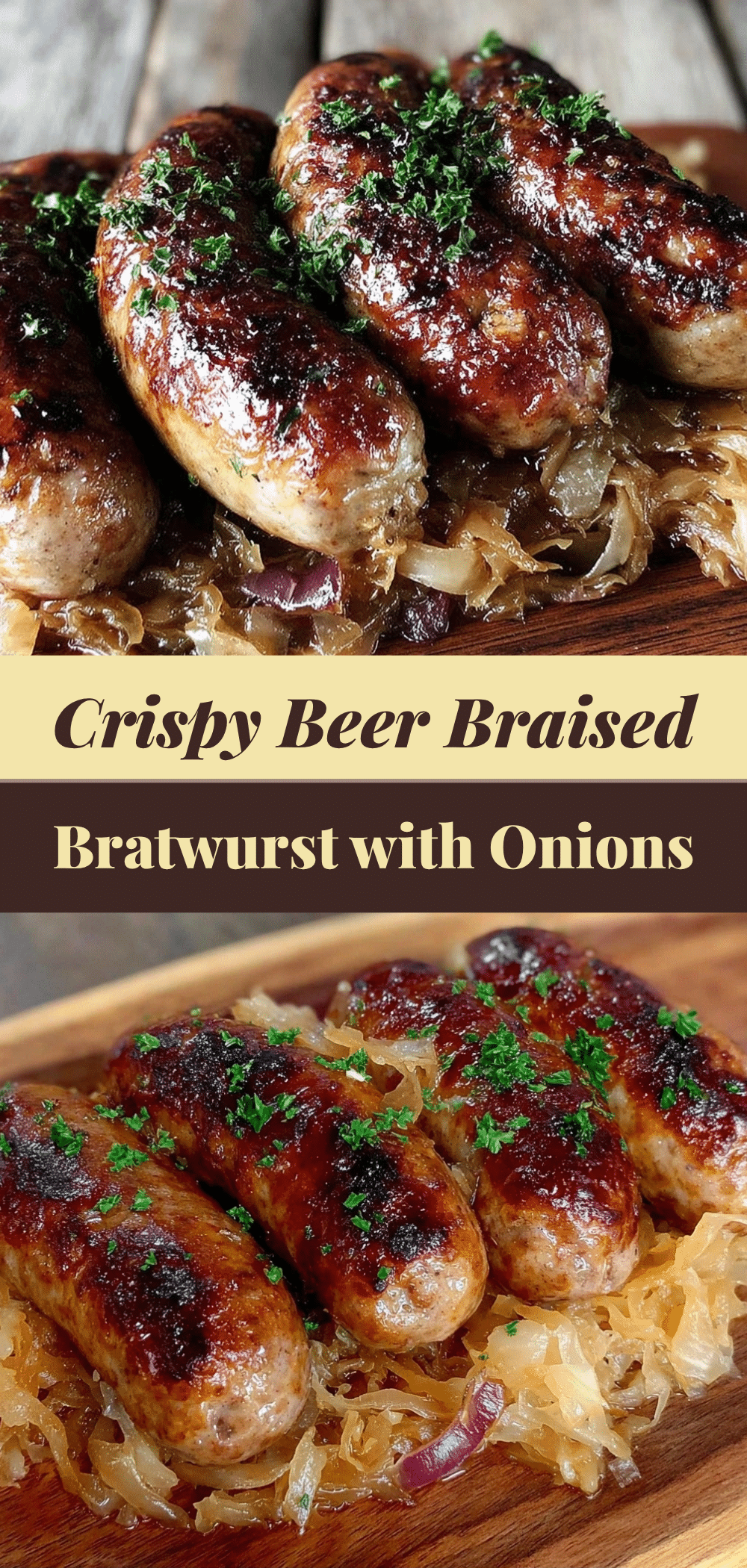
Beer Braised Bratwurst: 1 Trick for Crispy Skin
- Total Time: 45 minutes
- Yield: 4 servings 1x
Description
A foolproof recipe for beer-braised bratwurst that ensures juicy, flavorful sausages with a crispy, mahogany crust. Served with caramelized onions and tangy sauerkraut, this one-pot dish is perfect for game days and casual dinners.
Ingredients
- 1.5 to 2 pounds German-style bratwurst (natural casings preferred)
- 3 large yellow onions, thinly sliced
- 1 bottle (12 oz / 355ml) lager, pilsner, or bock beer
- 2 tablespoons butter
- 1 teaspoon brown sugar
- 16 oz (450g) plain sauerkraut, drained well
- 2 tablespoons jar juice from sauerkraut
- 1 teaspoon caraway seeds
- 2 cloves garlic, minced
- 1 teaspoon apple cider vinegar
- 1 tablespoon neutral oil (canola or vegetable)
- Salt and black pepper to taste
- Whole grain mustard for serving
Instructions
- Slice onions into thin half-moons, mince garlic, and drain/squeeze sauerkraut thoroughly. Set aside.
- Heat butter in a large skillet or Dutch oven over medium heat. Add onions and a pinch of salt; cook for 10-12 minutes until soft and golden. Stir in brown sugar and cook for 1 minute. Remove onions and set aside.
- Increase heat to medium-high. Sear bratwursts for 2-3 minutes per side until lightly browned. Remove and set aside.
- Reduce heat to medium. Pour beer into the skillet, scraping up brown bits (fond). Return brats to the pan, nestling them into the liquid (liquid should come halfway up). Cover and simmer for 20 minutes, stirring halfway through.
- While brats braise, heat a small skillet over medium heat. Add drained sauerkraut, caraway seeds, garlic, and apple cider vinegar. Cook for 3-5 minutes until heated through and slightly reduced. Set aside.
- Remove brats from braising liquid and pat them completely dry with paper towels.
- Heat neutral oil in the large skillet over medium-high heat. Sear brats for 1-2 minutes per side until the skin is dark brown and crispy. Do not overcrowd the pan.
- Let brats rest for 2-3 minutes before serving.
- Assemble by placing brats on a platter, topping with caramelized onions and warm sauerkraut. Drizzle with reduced beer liquid if desired. Serve with whole grain mustard.
Notes
Pat the brats dry before the final sear to ensure crispiness and prevent steaming. Do not poke the brats with a fork during cooking to prevent bursting. Use a lager or pilsner for best flavor; avoid hoppy IPAs. Sauerkraut must be squeezed dry to avoid a soggy dish. Leftovers can be sliced and added to breakfast skillets.
- Prep Time: 15 minutes
- Cook Time: 30 minutes
- Category: Main Course
- Cuisine: German
Nutrition
- Serving Size: 1 brat with onions a
- Calories: 450
- Sugar: 12
- Sodium: 900
- Fat: 30
- Saturated Fat: 10
- Carbohydrates: 25
- Fiber: 5
- Protein: 20
Keywords: beer braised bratwurst, crispy brats, game day food, one pot meal, german sausage, sauerkraut recipe, easy dinner, fall recipes


