There is a specific kind of panic that sets in when you realize your guests are gluten-intolerant and you’ve built your entire hosting identity around buttery, floury comfort food. I felt that panic last October. I had invited three friends over for what was supposed to be a cozy autumn evening, complete with mulled cider and platters of artisanal crackers. I had already bought the fancy gluten-free flatbreads. Then Sarah mentioned she couldn’t eat gluten, and my stomach dropped. I panicked. I scrambled to the store at 6 PM, bought a bag of generic rice crackers, and felt like a failure before the first knock on the door.
That night was a disaster of sad, crumbling crackers and awkward explanations. But I refused to let gluten-free restrictions ruin my hosting game. I went back to the drawing board, determined to create a board that wasn’t just “safe” but actually exciting. That was three years ago. Now, I don’t just make this board; I make it every single fall gathering. It has become my signature dish, the one people ask for the recipe for before they even sit down.
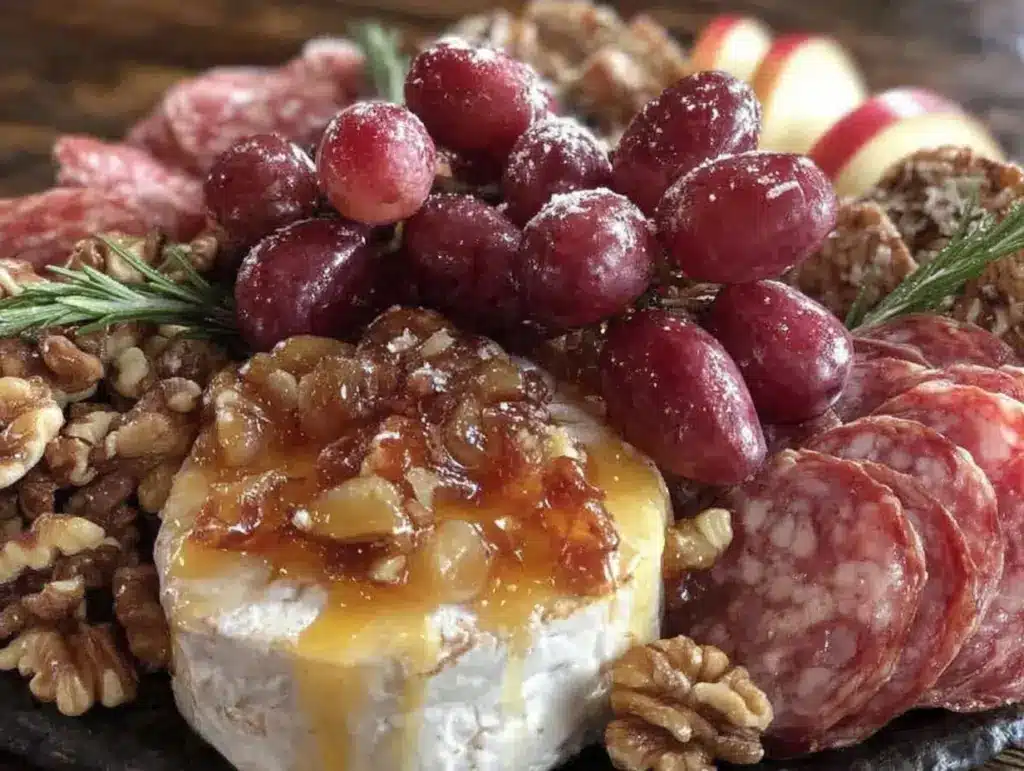
This fall charcuterie board with honey roasted grapes for guests isn’t just a platter of cheese and meat. It’s a strategy. It’s a way to include everyone without making anyone feel like an afterthought. The star of the show is these honey roasted grapes, which I’ve been tweaking for years. They are sweet, sticky, slightly charred, and absolutely addictive. They turn a simple cheese board into a gourmet experience that tastes like it came from a high-end bistro, not a panicked home cook’s kitchen. I’ve tested this setup with dozens of different dietary needs—some friends are dairy-free, some are keto, and some are just picky eaters—and this board adapts beautifully. It’s proof that you don’t need to compromise on flavor to accommodate dietary restrictions. In fact, I think it tastes better because you’re forced to be more creative with textures and fresh ingredients.
Why You’ll Love This Gluten-Free Charcuterie Setup
Once you pull this board together, you’ll realize how much easier and more elegant hosting can be. There’s no cooking stress, no last-minute scrambling, and no awkward questions about what’s safe to eat. Here’s why this setup has completely changed my autumn hosting routine:
Zero Cooking Stress (Mostly) — Seriously, the only actual “cooking” happens in the oven for the grapes. The rest is assembly. I can throw this together in 20 minutes while my other dishes finish baking. It’s perfect for when you’re trying to juggle a main course like my creamy bacon ranch potato salad or a savory casserole. You can prep the grapes an hour ahead, and they actually get better as they sit.
Inclusivity Without the Guilt — I’ve hosted friends with celiac disease, gluten sensitivity, and dairy allergies, and everyone leaves happy. By focusing on naturally gluten-free whole foods—cheese, meats, nuts, fresh fruit—you aren’t relying on processed “fake” foods. It feels abundant, not restrictive. I’ve even swapped in gluten-free crackers, but honestly, the fresh veggies and fruit often replace the need for carbs entirely.
The Honey Roasted Grapes Are a Game-Changer — I know, it sounds weird. Roasted grapes? Yes. They caramelize, burst with flavor, and provide that sweet-savory balance that makes people go back for seconds. They pair perfectly with sharp cheddar or creamy brie. I’ve tried this technique with blueberries and figs, but grapes are the most reliable crowd-pleaser. They’re like little flavor bombs.
Make-Ahead Friendly — This is my biggest selling point. You can roast the grapes, slice the cheeses, and arrange the meats the night before. The morning of the party, you just finish the arrangement. It takes the stress out of hosting. I remember trying to build a board while my savory bacon cheddar egg breakfast muffins were cooling, and it was a mess. Not anymore. Everything is prepped and ready.
Budget-Smart — You don’t need to buy expensive imported meats. A good mix of deli turkey, some salami, and a few local cheeses works just as well. Plus, grapes are cheap in the fall. You can spend $30 and feed 8-10 people easily, or $80 and make it feel like a wedding appetizer. It’s up to you.
This board is my go-to when I want to impress without the work. It’s reliable, delicious, and makes everyone feel welcome, regardless of what they can or can’t eat.
Ingredients You’ll Need for the Perfect Board
Here’s the best part: you probably have most of this already, or it’s super easy to grab on the way home. I’m particular about a few things here, especially the grapes and the cheese selection, and I’ll tell you exactly why.
For the Honey Roasted Grapes
Red or Green Grapes (2 pounds / 900g) — Use seedless. Red grapes (like Red Globe) hold their shape better when roasted, but green (like Thompson) get sweeter. I usually mix them for color. Do not use mushy grapes—they’ll turn to jam. Firm, fresh grapes are non-negotiable.
Honey (3 tablespoons / 45ml) — I use raw honey for its floral notes. Maple syrup works too if you want vegan, but honey gives that sticky caramelization I love. Don’t use cheap, high-fructose corn syrup; it won’t caramelize right.
Extra Virgin Olive Oil (1 tablespoon / 15ml) — Just a little to help the honey spread and prevent sticking. Use a mild olive oil so it doesn’t overpower the fruit.
Fresh Thyme (1 teaspoon, leaves only) — This is the secret ingredient. Thyme adds an earthy, herbal note that cuts through the sugar. It sounds fancy, but it’s just a sprig from your garden or the store. Skip it if you hate thyme, but don’t.
Black Pepper (½ teaspoon, freshly cracked) — A little heat balances the sweetness. Freshly cracked is best; pre-ground pepper tastes dusty.
For the Charcuterie & Cheese
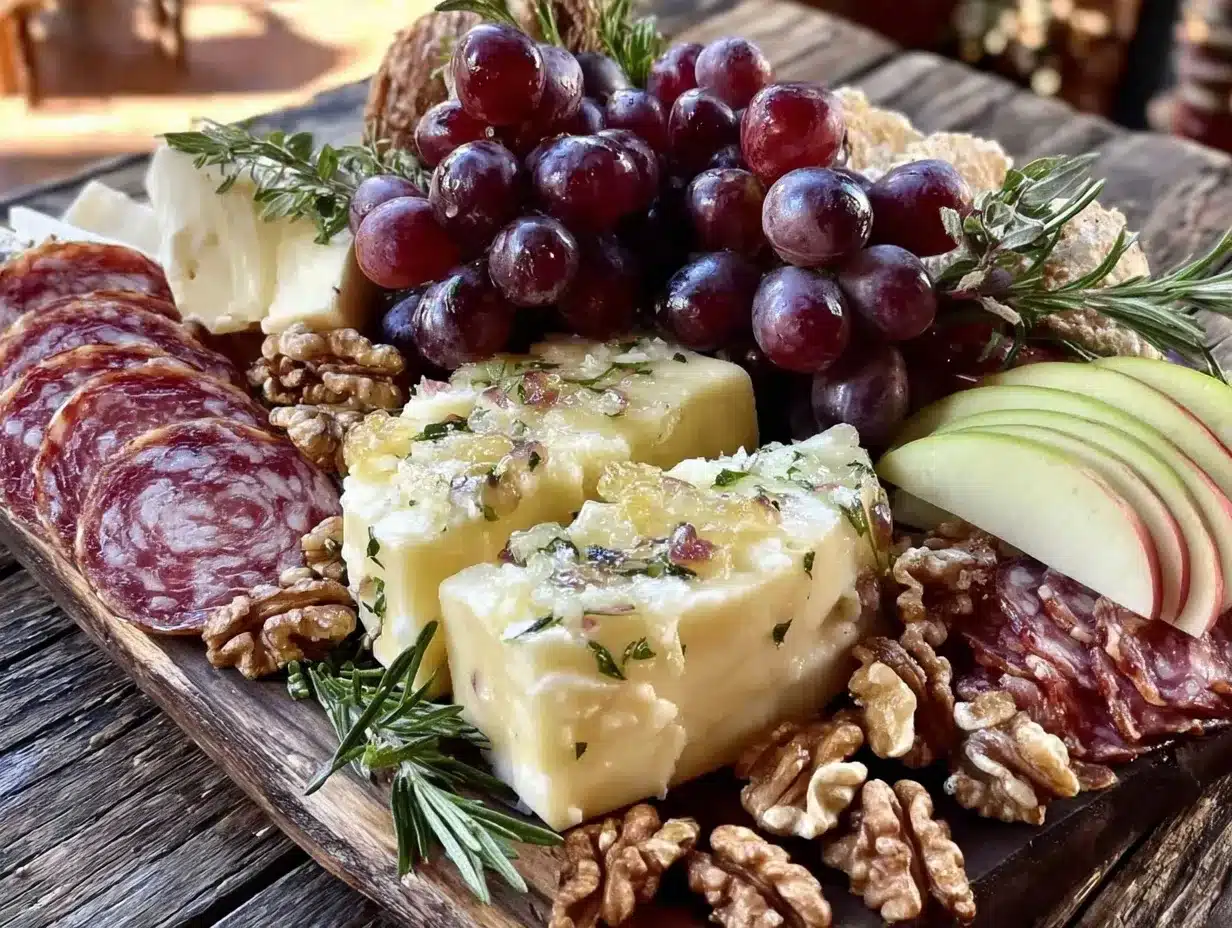
Hard Cheese (8 oz / 225g) — Aged cheddar or gouda. Hard cheeses hold up better on a board and don’t melt as fast. I love a sharp white cheddar for its bite. Gluten-free, of course.
Soft Cheese (8 oz / 225g) — Brie or Camembert. Look for one that’s ripe but not runny. If it’s leaking, it’s too old. These add creaminess. Ensure the rind is edible (most are).
Prosciutto or Salami (6 oz / 170g) — Check labels for gluten. Most cured meats are naturally gluten-free, but some cheaper brands add wheat-based fillers. I buy from the deli counter and ask them to slice it thin. Prosciutto is delicate and salty; salami is spicier and chewier.
Gluten-Free Crackers (1-2 packages) — I like almond flour crackers or rice crackers. Avoid the ones that are just cornstarch—they taste like cardboard. Soft cheddar garlic biscuits are great, but obviously not GF. Stick to sturdy GF options that won’t crumble instantly.
Nuts (½ cup / 60g) — Walnuts or pecans. Toast them lightly for extra flavor. They add crunch and healthy fats. Gluten-free and naturally delicious.
For the Fresh Elements
Apples or Pears (2 medium, sliced) — Crisp apples (Honeycrisp) or firm pears (Bosc) work best. Slice them thin so they fit on the board. They add freshness and contrast to the rich cheeses.
Olives (½ cup / 120g) — Kalamata or green olives. They’re briny and salty, which balances the sweet grapes. Check for gluten-free certification if you’re sensitive, though most plain olives are safe.
Mustard (2 tablespoons) — Whole grain or Dijon. Mustard is naturally gluten-free. It adds a tangy punch that cuts through the fat of the cheese and meat.
Fresh Herbs (Small bunch of rosemary or thyme sprigs) — Use these for garnish and decoration. They look beautiful and smell amazing. You don’t eat them, but they make the board look professional.
Equipment Needed
You don’t need fancy equipment for this. Here’s what I actually use:
Rimmed Baking Sheet — For roasting the grapes. A rimmed sheet catches any honey drips so you don’t burn your oven floor. I use a non-stick one for easy cleanup.
Parchment Paper — Line the baking sheet. It makes cleanup effortless and prevents the grapes from sticking. I never roast sticky things without it.
Large Wooden Board or Platter — This is your canvas. I use a large live-edge walnut board, but a simple wooden cutting board or even a clean slate works. Make sure it’s big enough to hold everything without crowding.
Cheese Knife — A small paring knife or cheese spreader. I use a paring knife for soft cheeses and a serrated knife for hard cheeses. A dull knife makes a mess.
Small Bowls — For olives, mustard, and nuts. I use small ceramic ramekins. They keep things organized and prevent cross-contamination (important for gluten-free guests).
Knife — Sharp chef’s knife for slicing apples and pears. Dull knives slip and hurt. Learn to sharpen yours.
Tongs — For handling the hot grapes. You don’t want to burn your fingers. I keep a pair of kitchen tongs specifically for the roasting tray.
How to Make It: Step-by-Step
Alright, let’s make this! I’m walking you through exactly how I do it, including the little tricks I’ve picked up over years of hosting.
Step 1: Prep the Grapes (10 minutes)
Preheat your oven to 400°F (200°C). Wash the grapes thoroughly and pat them completely dry with paper towels. Moisture is the enemy of caramelization. If they’re wet, they’ll steam instead of roast. Toss them in a bowl with olive oil, honey, thyme leaves, and black pepper. Make sure every grape is lightly coated. It’s okay if some honey pools at the bottom; that’s where the magic happens.
Step 2: Roast the Grapes (20-25 minutes)
Spread the grapes in a single layer on the parchment-lined baking sheet. Do not crowd them! If they’re piled on top of each other, they’ll steam. Roast for 20-25 minutes, flipping them halfway through. You’re looking for them to blister, burst slightly, and turn a deep, rich color. The honey should be bubbling and sticky. Remove from the oven and let them cool completely. They’ll continue to cook slightly from residual heat. Cool them on the counter or in the fridge if you’re short on time.
Step 3: Prep the Cheeses (5 minutes)
While the grapes cool, slice your cheeses. For hard cheeses like cheddar, slice into triangles or cubes. For soft cheeses like brie, you can leave it whole and just score the top, or slice it into wedges. Place them on the board. Don’t overwork them—let them come to room temperature before serving for the best flavor.
Step 4: Arrange the Meats and Nuts (5 minutes)
Fold the prosciutto or salami into loose rosettes or just lay them out. Don’t overthink it; casual looks better than perfect. Scatter the nuts around the board. I like to put them in small piles near the cheeses they pair well with.
Step 5: Add Fresh Fruit and Veggies (5 minutes)
Slice the apples and pears. To prevent browning, you can dip them in a little lemon juice, but for a board that’s being eaten within an hour, it’s usually fine. Arrange the slices in a fan pattern or scatter them. Add the olives in small bowls. The contrast of red grapes, green olives, and white cheese looks beautiful.
Step 6: Final Touches (2 minutes)
Add the crackers in a pile or fanned out. Place the mustard in a small bowl. Tuck in fresh herb sprigs for color. Step back and adjust. Add more grapes where it looks empty. This is an art form, not a science.
Total Time: About 45 minutes (mostly hands-off roasting).
Expert Tips & Tricks
Here’s everything I’ve learned from making this dozens of times. These tips will save you from my mistakes.
Don’t Skip the Dry Grapes — I cannot stress this enough. Wet grapes = steamed grapes. Pat them dry. If they’re really wet, let them air dry for 10 minutes. It makes a huge difference in texture.
Room Temperature Cheese — Cold cheese tastes bland. Take your cheeses out of the fridge 30-60 minutes before serving. This is crucial for flavor. I learned this the hard way with a cheese board that tasted like nothing.
Gluten-Free Cross-Contamination — If you have celiac guests, use separate cutting boards and knives for the GF items. Wash your hands thoroughly. Check all labels, especially for deli meats and crackers, which can sometimes be processed in facilities with wheat.
Roast in Batches — If you’re making a huge board, roast the grapes in two batches. Overcrowding the pan leads to uneven cooking. I usually make two trays for a party of 10.
Save the Honey Glaze — The sticky residue left on the parchment paper after roasting the grapes is liquid gold. Scrape it off and drizzle it over roasted chicken or pork chops. It’s amazing.
Common Mistakes:
- Grapes are mushy: You overcooked them or used old grapes. Stick to firm grapes and check them at 20 minutes.
- Board looks messy: Use height! Stack crackers, stand cheese on its side, pile nuts. Height makes it look professional.
- Apples are brown: Use lemon juice or add them last minute.
Variations & Substitutions
Once you’ve nailed the basic version, here’s how you can mix it up. I’ve tried all of these.
Vegetarian/Vegan Board — Skip the meat. Add more cheese (if not vegan) or use vegan cheeses. Add roasted chickpeas for protein. Use agave instead of honey. Add more nuts and seeds. It’s still delicious and satisfying.
Keto-Friendly — Skip the crackers and fruit. Add more nuts, olives, and cheese. Use sugar-free honey substitute if needed. The roasted grapes are still okay in moderation, but reduce the portion.
Dairy-Free — Use dairy-free cheeses (there are good almond-based ones now) or skip cheese entirely and add more savory items like marinated artichoke hearts or roasted red peppers. I use cheesy corn casserole vibes but cold and savory.
Spicy Twist — Add chili flakes to the honey roast. Use pepper jack cheese. Add spicy salami. It’s a whole new vibe.
Different Fruits — Try figs or pears instead of grapes. They roast beautifully too. Or use fresh berries for a no-cook option, though they won’t have that caramelized depth.
Serving & Storage
How to Serve:
I usually serve this at room temperature. The grapes should be slightly warm or room temp. The cheeses should be soft. If the board sits out for more than 2 hours, put it back in the fridge for 15 minutes to keep the meat safe.
Side Dishes:
This board pairs well with anything. I often serve it alongside a main dish like my crispy sesame chicken lettuce wraps for a lighter meal, or with a hearty soup. It’s also great as an appetizer before dinner.
Storage:
- Roasted Grapes: Store in an airtight container in the fridge for up to 3 days. They’ll get softer but still taste good. Reheat gently if you want them warm.
- Cheeses: Wrap tightly in plastic wrap or wax paper. Hard cheeses last a week; soft cheeses last 3-5 days.
- Meats: Keep in the deli packaging or wrap tightly. Use within 3-4 days.
Freezing:
I don’t recommend freezing the board components, especially the fresh fruit and soft cheeses. The texture changes. Make it fresh.
Nutrition Information
I’m not a nutritionist, but here’s the breakdown if you’re tracking. This is per serving (based on 8 servings).
| Nutrient | Amount |
|---|---|
| Calories | 250 |
| Protein | 10g |
| Carbs | 25g |
| Fiber | 2g |
| Sugar | 20g |
| Fat | 12g |
| Sodium | 400mg |
What’s Good:
– Good source of protein from cheese and meat.
– Healthy fats from nuts and olive oil.
– Naturally gluten-free options available.
– Can be made dairy-free or vegan.
What to Know:
– Higher in sugar from the grapes and honey.
– Sodium can be high in deli meats and olives.
– Portions matter—this is a snack board, not a full meal.
My Take:
Look, this is a treat. It’s sweet, salty, and rich. It’s not a diet food, but it’s made with whole ingredients. When I want to make it lighter, I reduce the crackers and increase the veggies. But usually? I just enjoy it. It’s about balance.
Final Thoughts
So that’s my go-to fall charcuterie board with honey roasted grapes! I’ve probably talked your ear off at this point, but when you make a recipe this often, you have a lot to say about it. This board has saved my hosting reputation more times than I can count. It’s my answer to “what do I bring to the party?” or “how do I feed everyone without stressing?”
My guests are happy, my gluten-free friends feel included, and I’m happy because I’m not stressed about cooking. It’s simple, it’s beautiful, and it tastes amazing. Make it yours! Try different cheeses, swap the grapes for figs, or add your favorite nuts. The best boards are the ones you adapt to your tastes.
If you make this, drop a comment and let me know what you think! I love hearing how recipes turn out in your kitchen. And if something doesn’t work, tell me that too—I’m here to help troubleshoot. Happy hosting!
Frequently Asked Questions
Can I use green grapes instead of red?
Yes! Green grapes (like Thompson) get sweeter and more jammy when roasted. Red grapes (like Red Globe) hold their shape better. I usually mix them for color, but either works. Just make sure they’re firm.
Why did my grapes turn to mush?
Probably because they were overcrowded on the pan or you used old, soft grapes. Roast in a single layer with space between them. Also, check them at 20 minutes—don’t wait until 30 if they’re already bursting.
Are all deli meats gluten-free?
Most are, but some cheaper brands add wheat fillers or starches. Always check the label. When in doubt, buy from the deli counter and ask them to slice it fresh. Prosciutto and salami are usually safe, but turkey and ham vary.
Can I make the grapes ahead?
Yes! Roast them up to 2 days ahead. Store them in the fridge. They’ll be cold, so let them come to room temperature before serving, or gently warm them in the microwave for 10 seconds.
What if I don’t have thyme?
You can skip it, but it adds a nice herbal note. Rosemary or oregano would also work. If you hate herbs, just use honey, olive oil, and pepper. It’s still delicious.
How do I prevent the apples from browning?
Toss the sliced apples in a little lemon juice or lime juice. It stops the oxidation. Or just add them to the board right before serving.
Can I freeze this board?
No. Fresh fruit and soft cheeses don’t freeze well. Make it fresh. The roasted grapes can be frozen, but the texture will change. Better to make it fresh.
Pin This Recipe!
Fall Charcuterie Board: Easy Gluten-Free Honey Roasted Grapes
- Total Time: 45 minutes
- Yield: 8 servings 1x
Description
An elegant, inclusive fall charcuterie board featuring sticky, caramelized honey-roasted grapes, cured meats, artisanal cheeses, and fresh fruits. This gluten-free friendly recipe is easy to assemble, make-ahead friendly, and perfect for hosting.
Ingredients
- 2 pounds (900g) seedless red or green grapes
- 3 tablespoons (45ml) raw honey
- 1 tablespoon (15ml) extra virgin olive oil
- 1 teaspoon fresh thyme leaves
- ½ teaspoon freshly cracked black pepper
- 8 oz (225g) hard cheese (aged cheddar or gouda)
- 8 oz (225g) soft cheese (Brie or Camembert)
- 6 oz (170g) prosciutto or salami
- 1–2 packages gluten-free crackers (almond flour or rice)
- ½ cup (60g) walnuts or pecans, toasted
- 2 medium apples or pears, sliced
- ½ cup (120g) Kalamata or green olives
- 2 tablespoons whole grain or Dijon mustard
- Small bunch of fresh rosemary or thyme sprigs for garnish
Instructions
- Preheat oven to 400°F (200°C). Wash grapes and pat them completely dry with paper towels.
- In a bowl, toss grapes with olive oil, honey, thyme leaves, and black pepper until lightly coated.
- Spread grapes in a single layer on a parchment-lined rimmed baking sheet.
- Roast for 20-25 minutes, flipping halfway through, until grapes blister and honey is bubbling. Let cool completely.
- While grapes cool, slice hard cheeses into triangles or cubes and prepare soft cheeses (leave whole or slice into wedges).
- Fold prosciutto or salami into rosettes or lay flat on the board.
- Arrange sliced apples and pears on the board, optionally tossing with lemon juice to prevent browning.
- Place olives and mustard in small bowls. Scatter toasted nuts around the board.
- Add gluten-free crackers and tuck in fresh herb sprigs for garnish.
- Adjust arrangement for visual appeal and serve at room temperature.
Notes
[‘Ensure grapes are completely dry before roasting to prevent steaming.’, ‘Take cheeses out of the fridge 30-60 minutes before serving for best flavor.’, ‘Use separate cutting boards for gluten-free items to avoid cross-contamination.’, ‘Roast grapes in batches if making a large board to avoid overcrowding.’, ‘Save the honey glaze from the baking sheet to drizzle over meats or vegetables.’]
- Prep Time: 20 minutes
- Cook Time: 25 minutes
- Category: Appetizer
- Cuisine: American
Nutrition
- Serving Size: Approximately 8 serv
- Calories: 250
- Sugar: 20
- Sodium: 400
- Fat: 12
- Saturated Fat: 4
- Carbohydrates: 25
- Fiber: 2
- Protein: 10
Keywords: charcuterie board, gluten-free recipe, honey roasted grapes, fall appetizer, hosting ideas, cheese board, easy entertaining, gluten-free snacks


